True Bias Blair Skirt

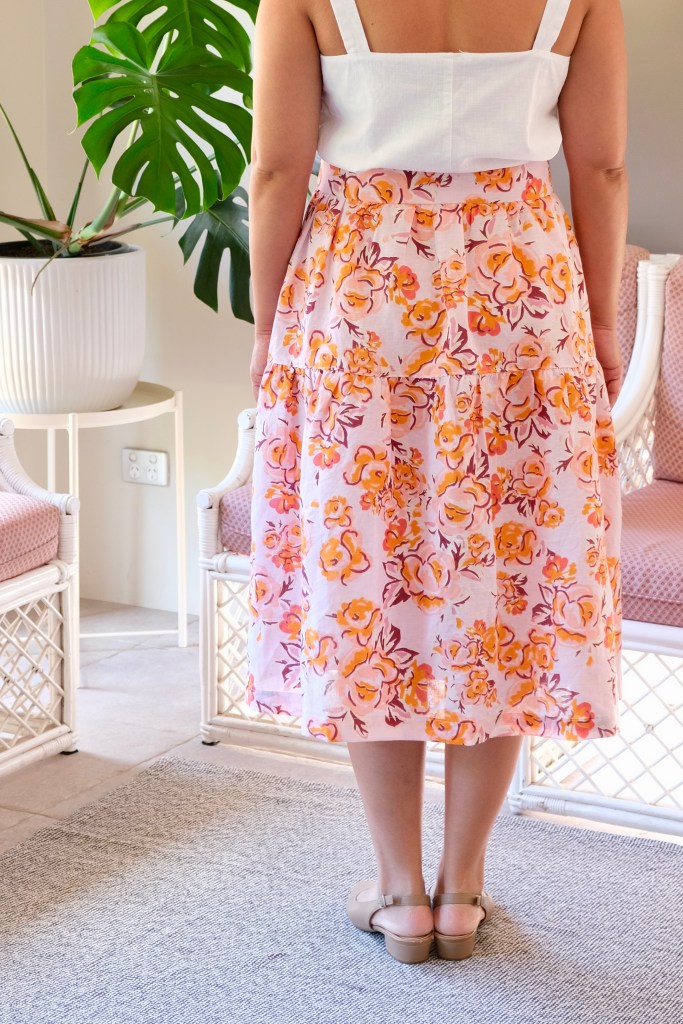
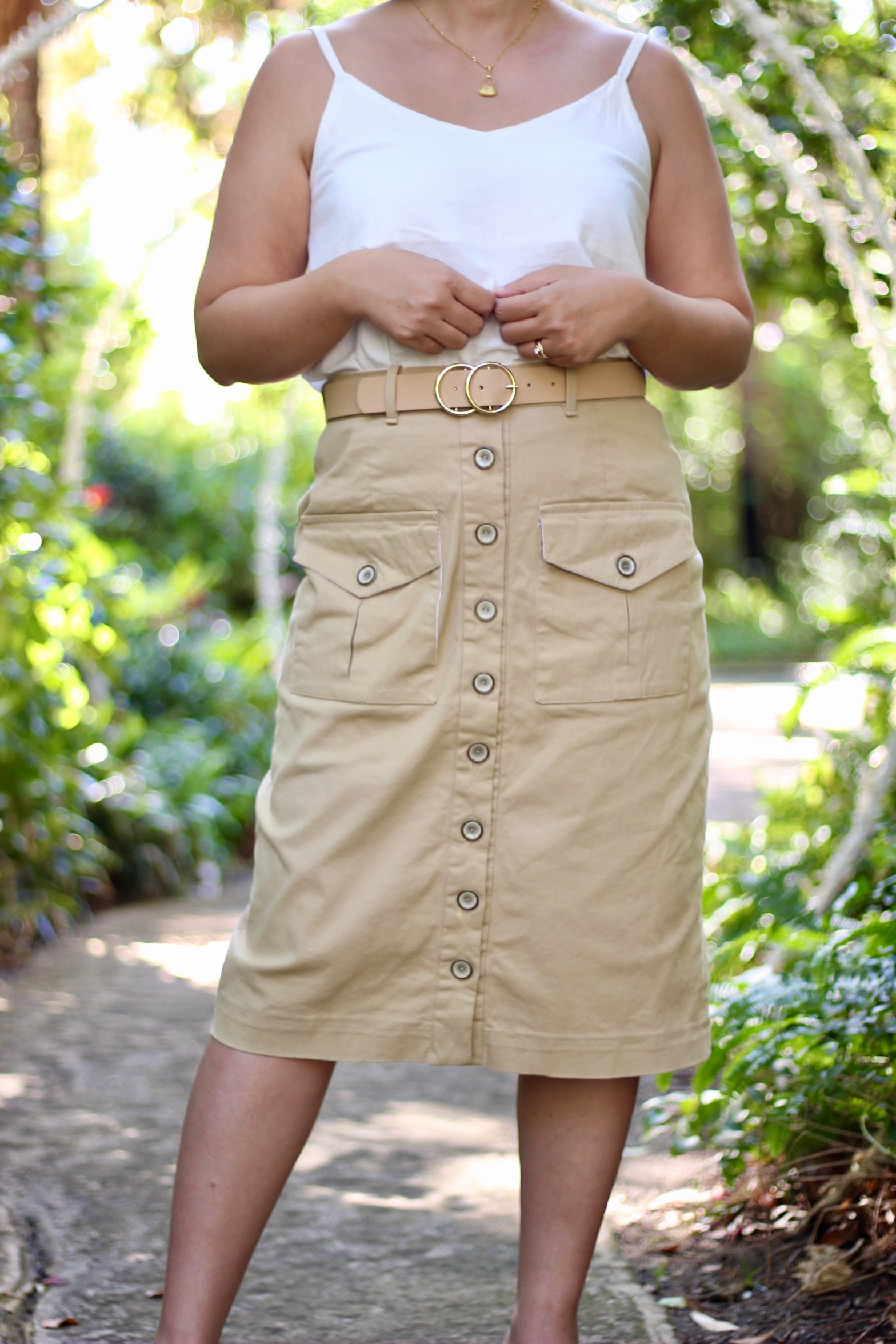
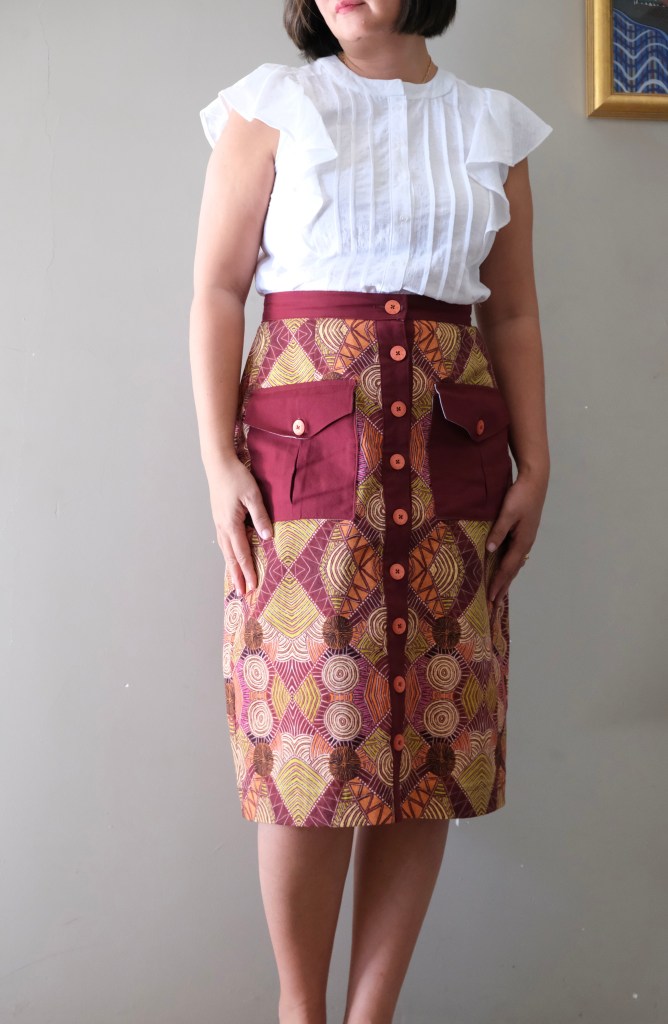
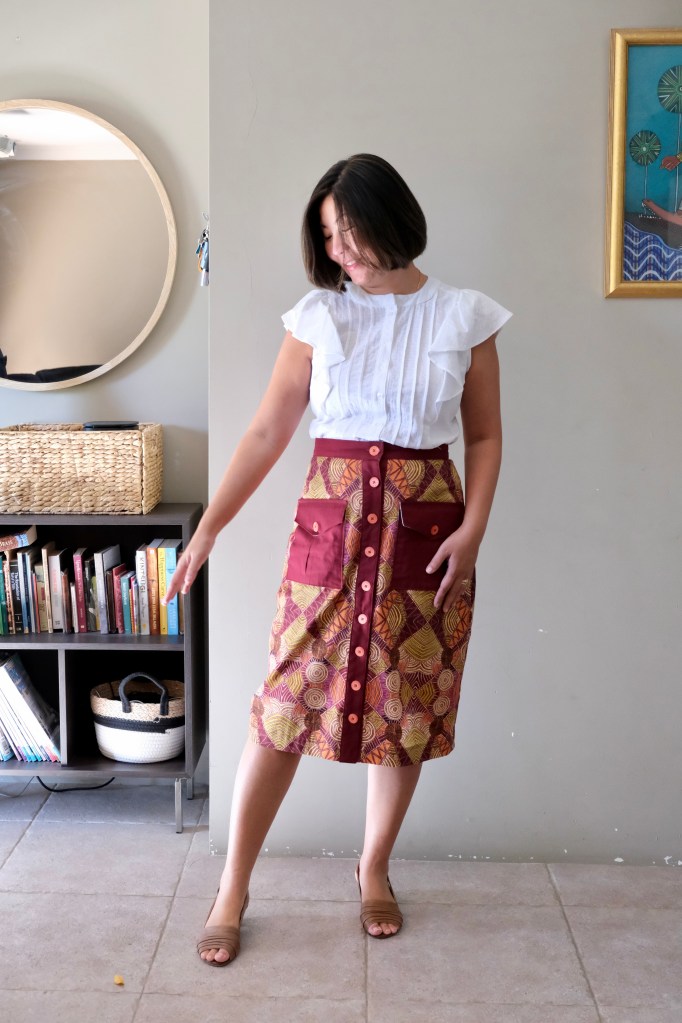
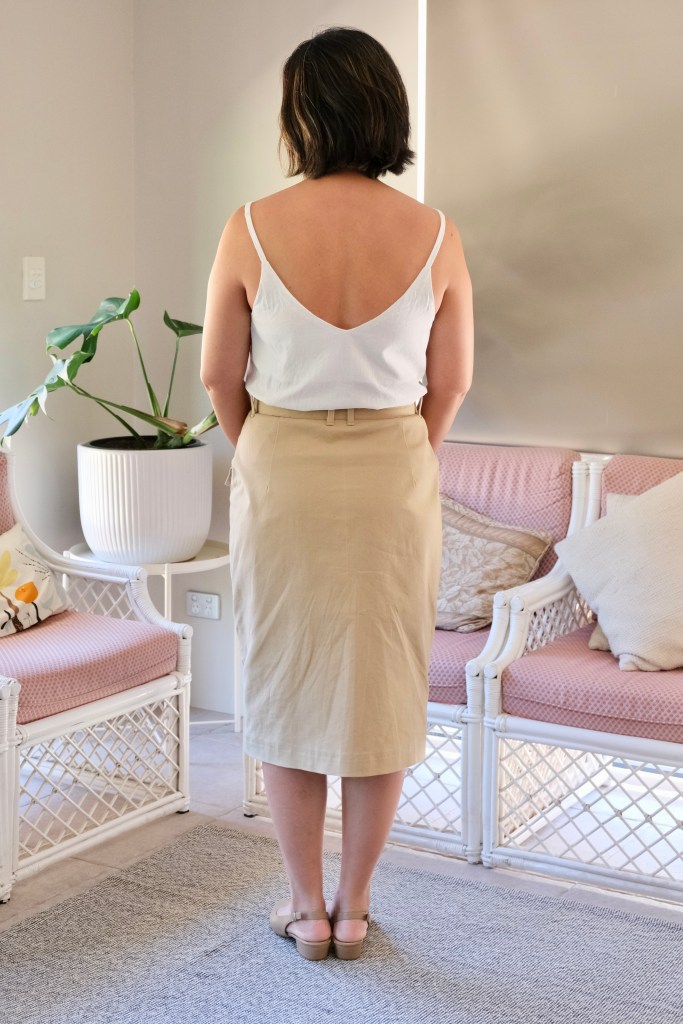
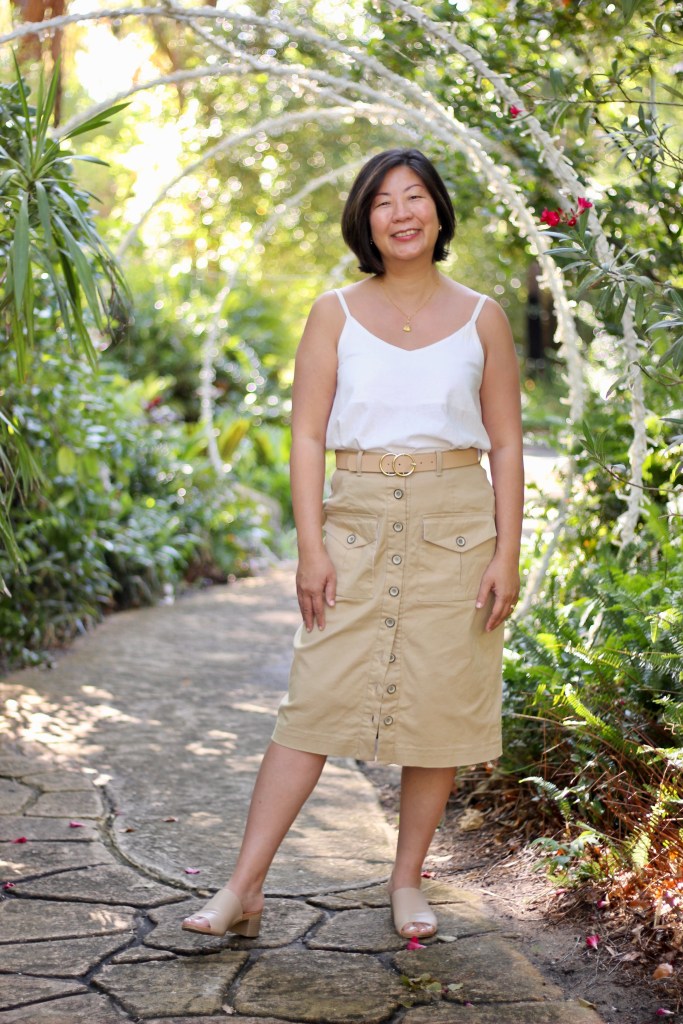
A while back, I was part of the testing team for this skirt. I really love the look. It was released for their autumn collection, but I think it looks great all year round. As part of a paid collaboration for Instagram, I was asked if I could make another version of the True Bias Blair Skirt

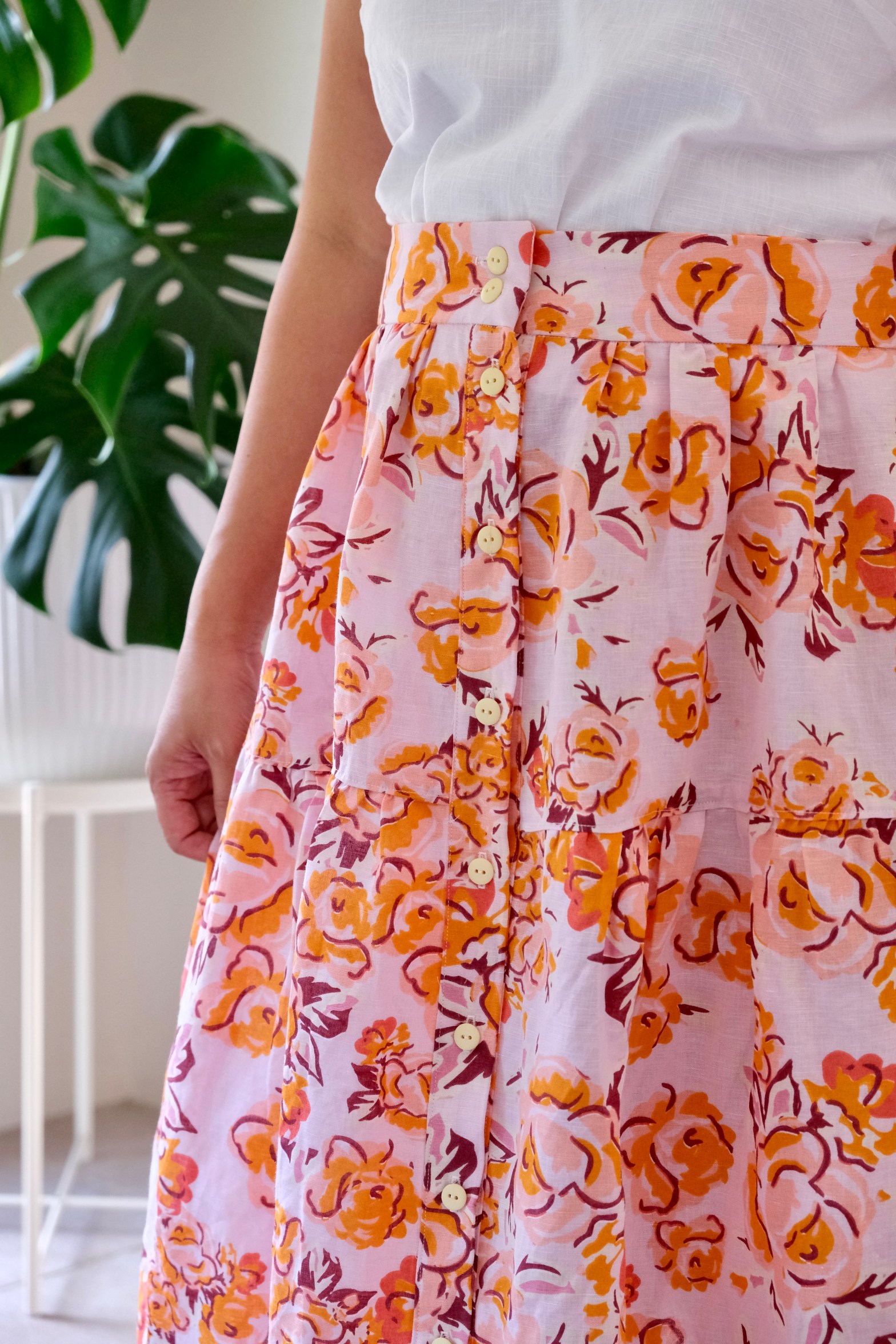
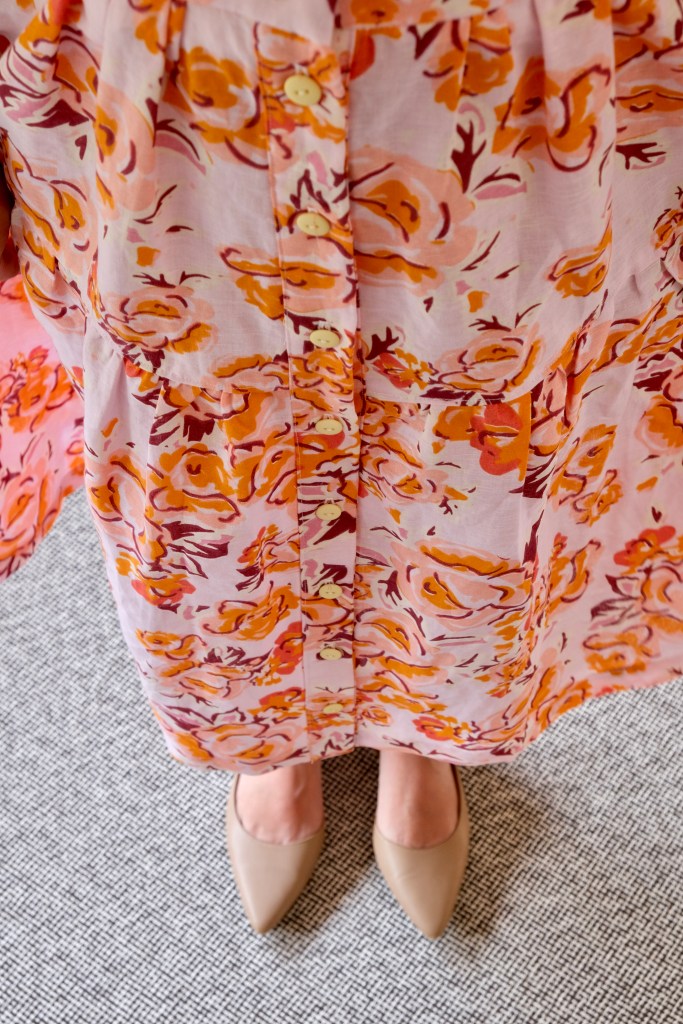
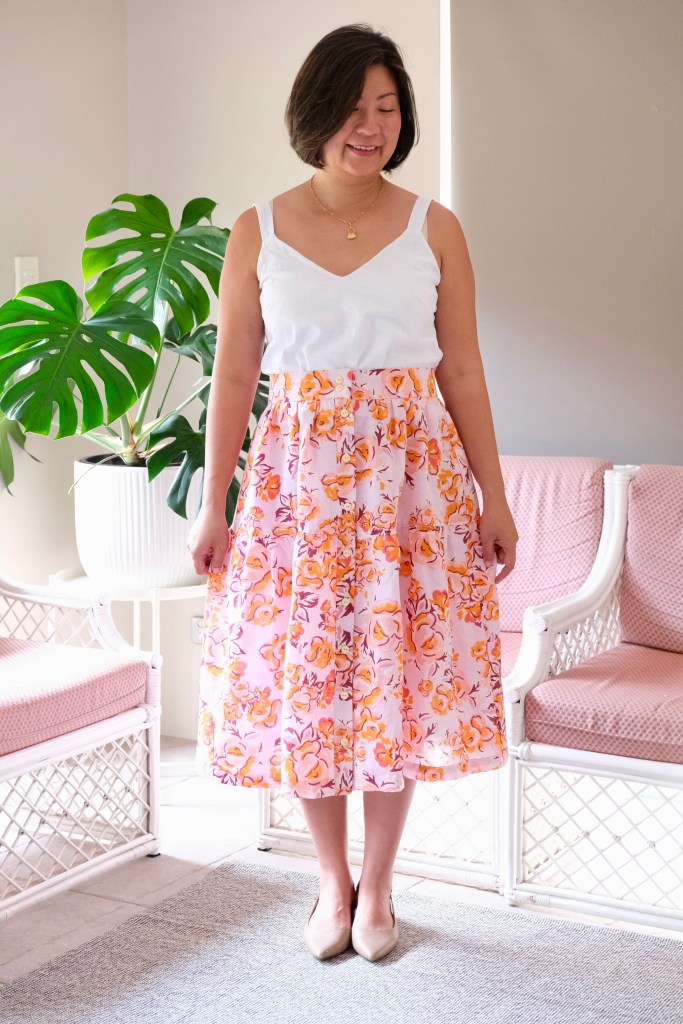
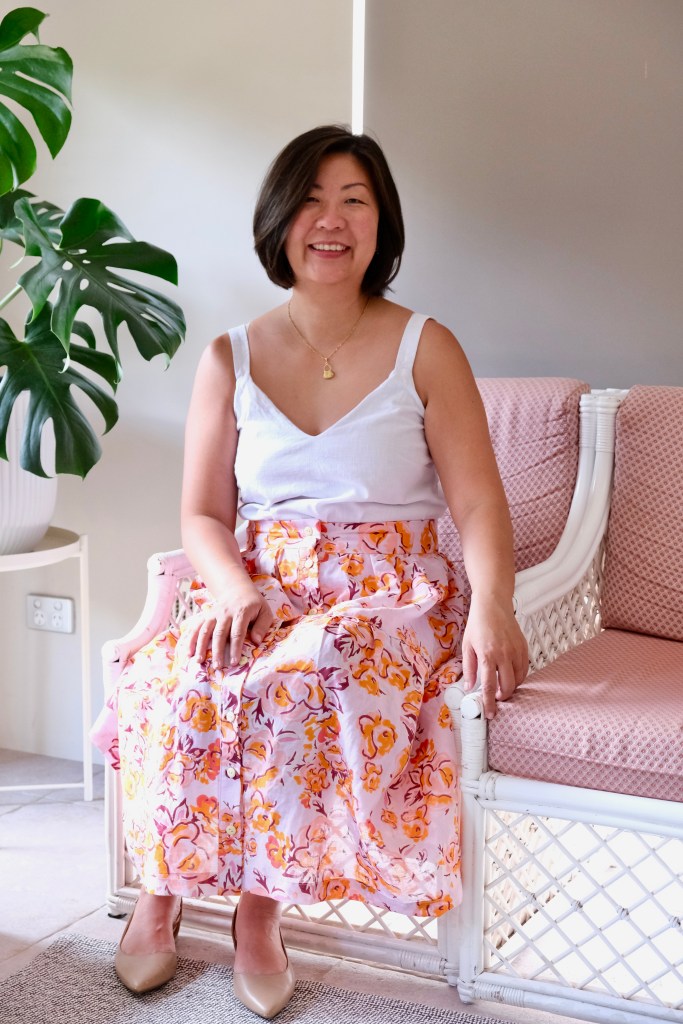
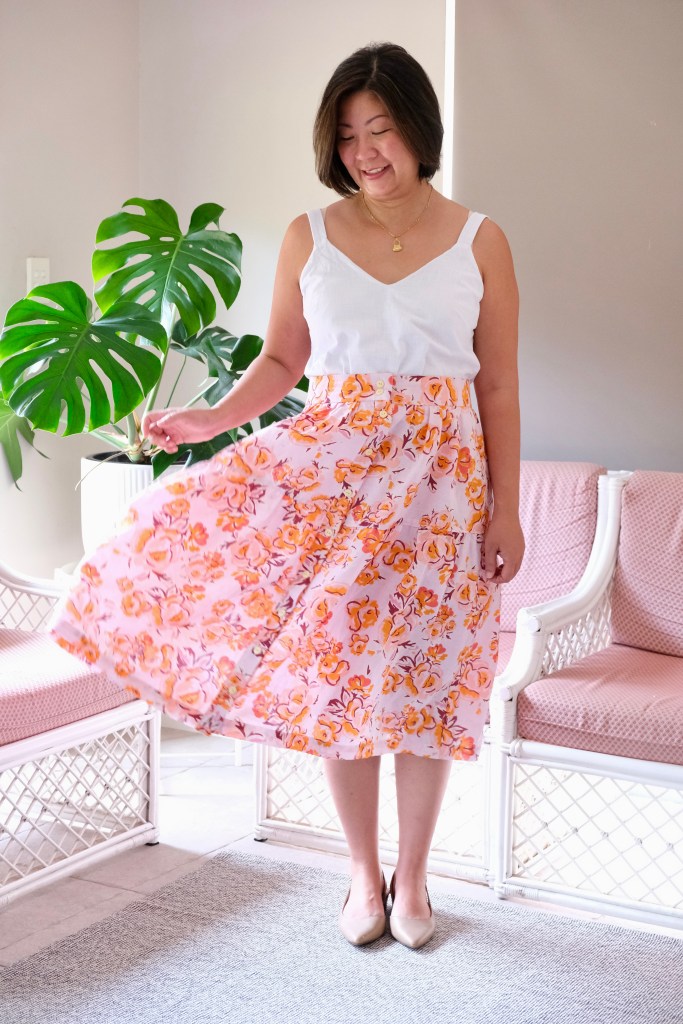
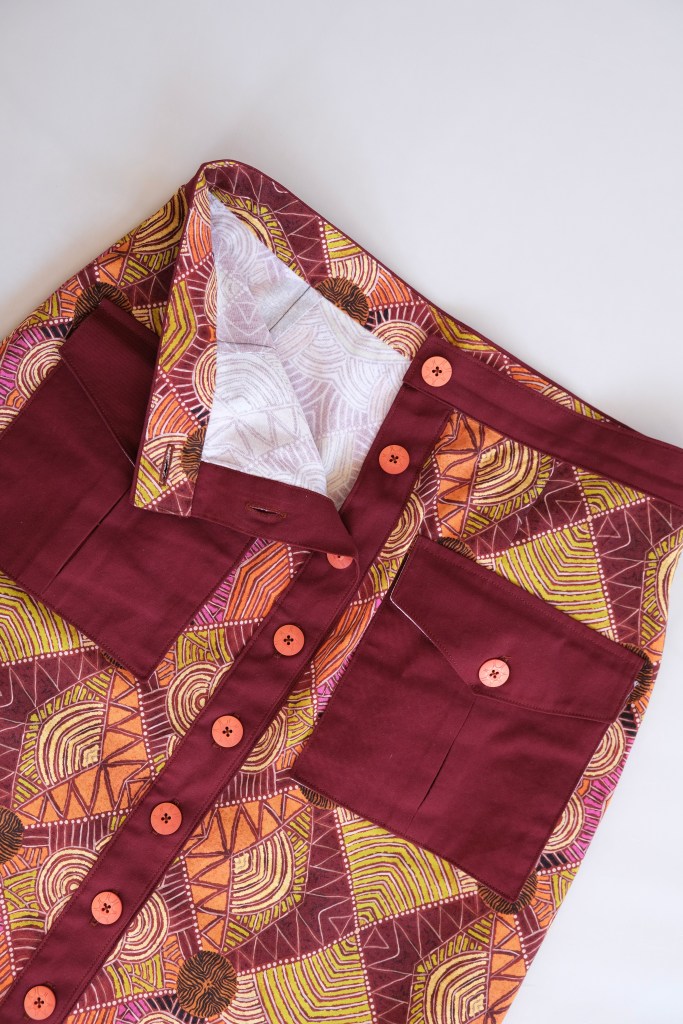
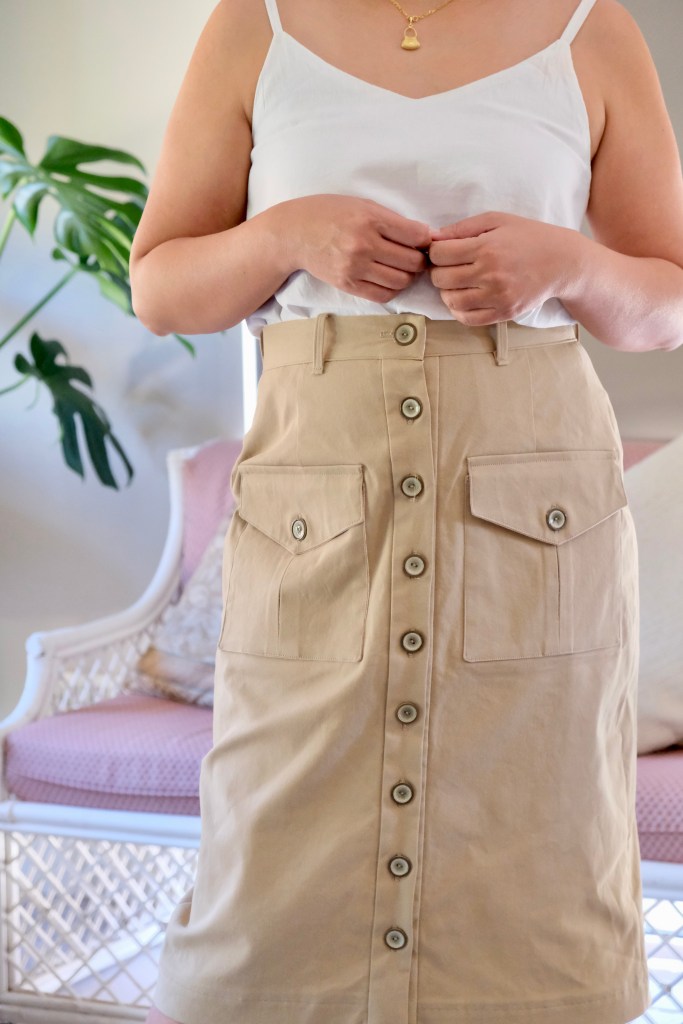
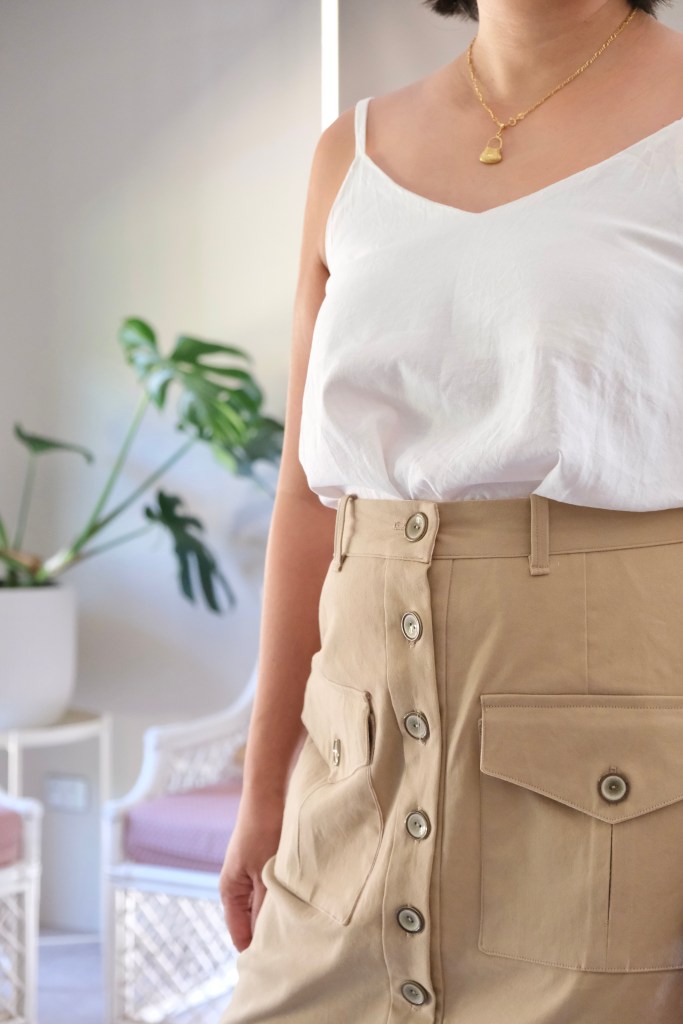
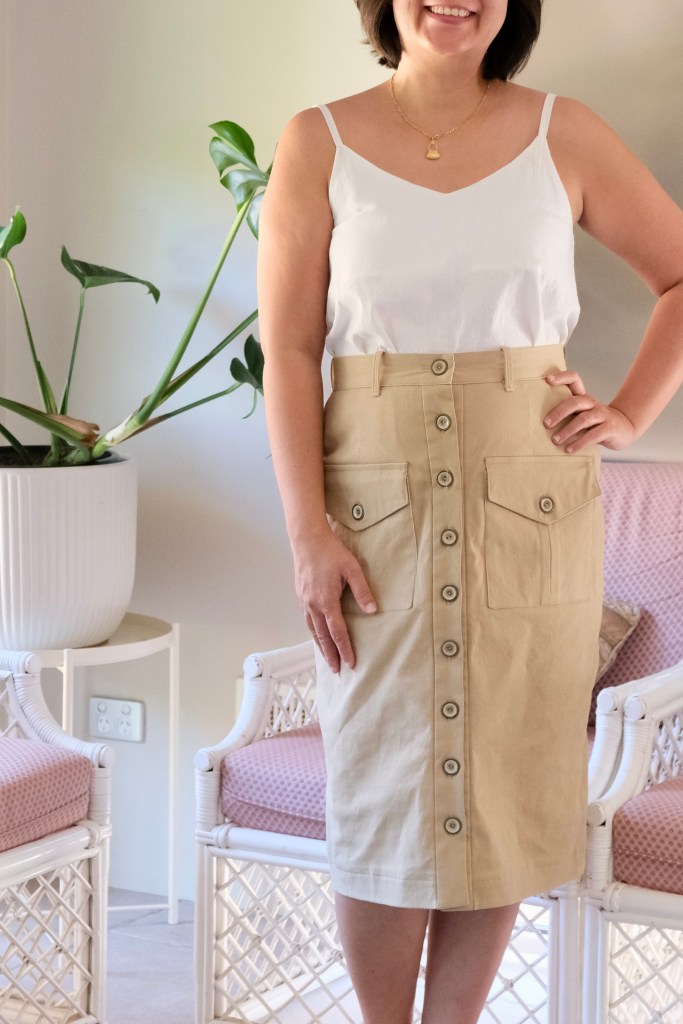
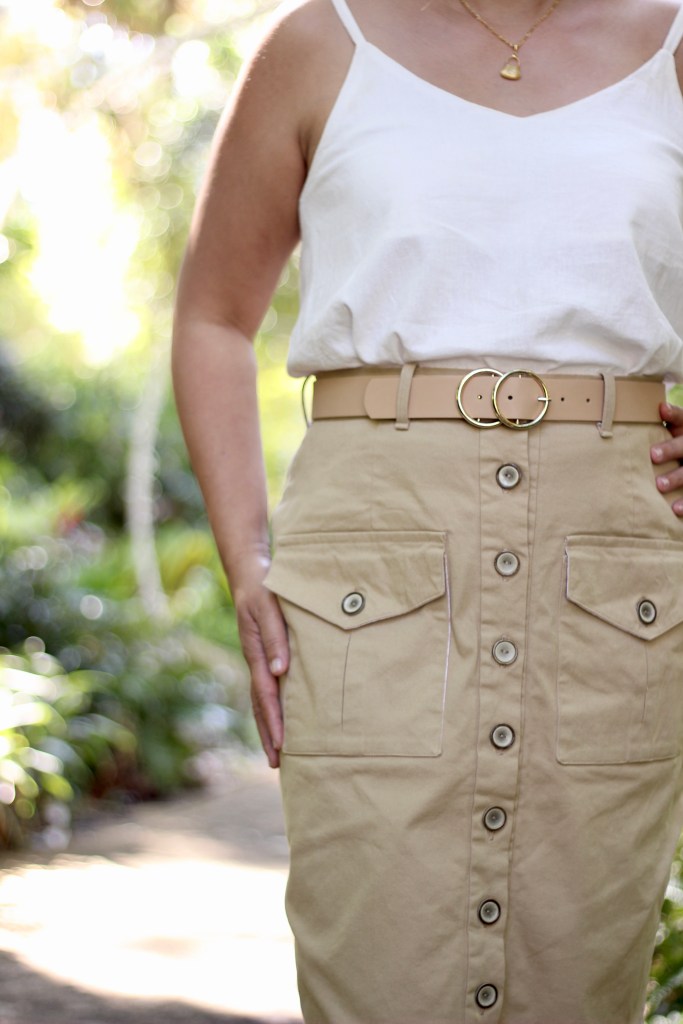
The skirt comes in three lengths, mini, midi and maxi. I’ve made the midi again because it’s versatile seasonally and I know I’ll reach for it many times. The general design is a skirt that is fitted over the waist and hips which then goes straight down to the hem. It has a front button placket and comes with the option of adding pockets with an inverted pleat, belt loops and a belt. I added all the extras! 

My sizing fell into the Size 12 range with my measurements of 33-inch waist and 40-inch hips and 167cm height. I didn’t feel that I needed to make any modifications. I think that the main watch point for fitting is the hip measurement because there is limited ease in the pattern. It’s true to say that I found the pattern true to size.

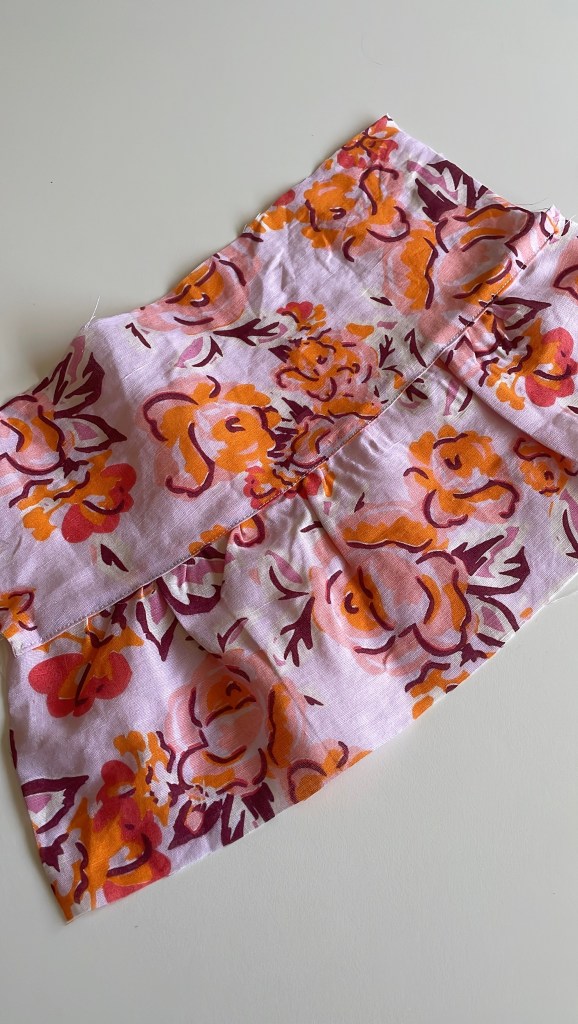
Fabric choice is quite straightforward for this pattern. Anything medium to heavy weight woven would be the way to go with the main fabric so I chose a light-coloured denim. This beige denim suits my style, and I wanted this skirt to be a staple in my wardrobe. I love colour and pattern but against a backdrop of something that is neutral. There is a bit of lining fabric needed for inner side of the waistband and the pockets. I used some beautiful scraps from Melco Fabric. It’s worth saving all the scraps from your sewing projects!

My skirt needed nine buttons for the button placket and two for the pockets. I feel I’m making some progress with button installation. I like how the pattern includes a guide for the buttonholes and button placement. It helps to take the guesswork out of the equation. I am tempted to get the button measuring gauge but wonder how useful it is. I’m starting to get quite a collection of useful sewing tools. Unfortunately, my buckles ordered from Amazon have not arrived at this time. When it finally arrives, I’ll be making the matching belt to go with the skirt. I’m quite keen to make my first proper belt!

Sewing the True Bias Blair Skirt was a pleasure. I’ve made many True Bias patterns and so glad I came across their patterns as a novice self-taught sewist. I learn so much from Indi patterns like these. No hiccups but also, I am learning that it’s important to go back and sew the patterns a few times. I feel that I could understand the pattern better and made some decisions of my own for my version. Simple things like using a blind hem stitch for the skirt hem, reversing the instalment of the button placket so I could stitch in the ditch because I preferred to minimise my stitch lines. My next version could be the complete opposite where I use top stitching to highlight all the stitching. The point is, sewing is such a superpower because we can customise what we’re making.

Thanks for reading and happy sewing!

X Em
Full Disclosure: Paid collaboration with True Bias for Instagram but all opinions remain my own.

Marigold Dress

I’ve been a long admirer and follower of Stitchmaiden Patterns but never brave enough to attempt a pattern because they look so technically hard. When Stitchmaiden reached out to me, I took it as a sign that it was time to stretch out of my comfort zone and I was so pleasantly surprised with the outcome. 

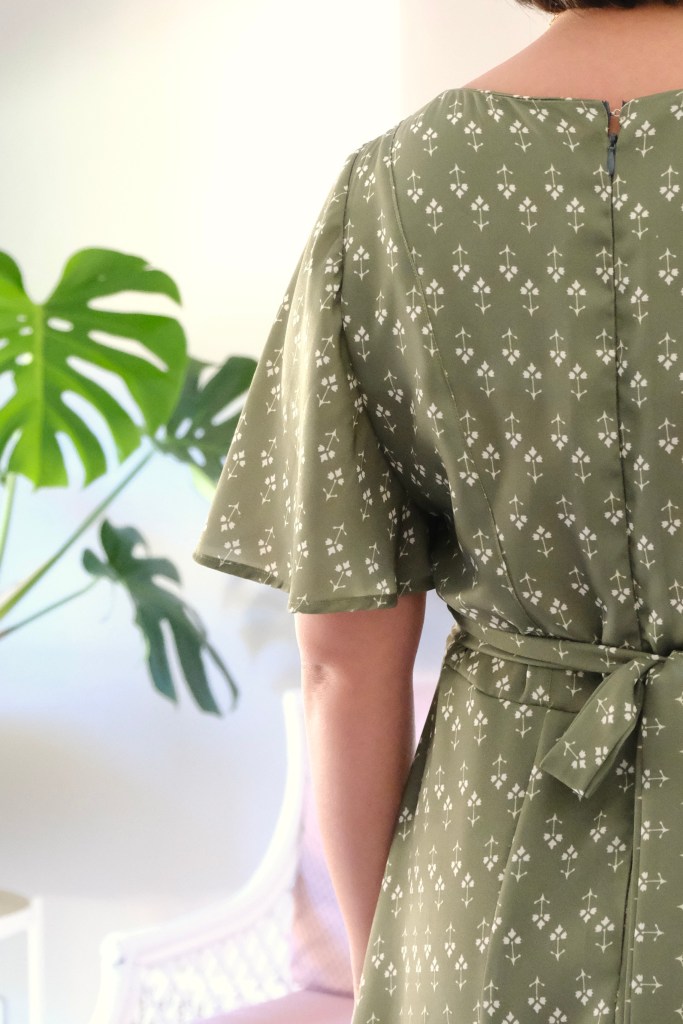
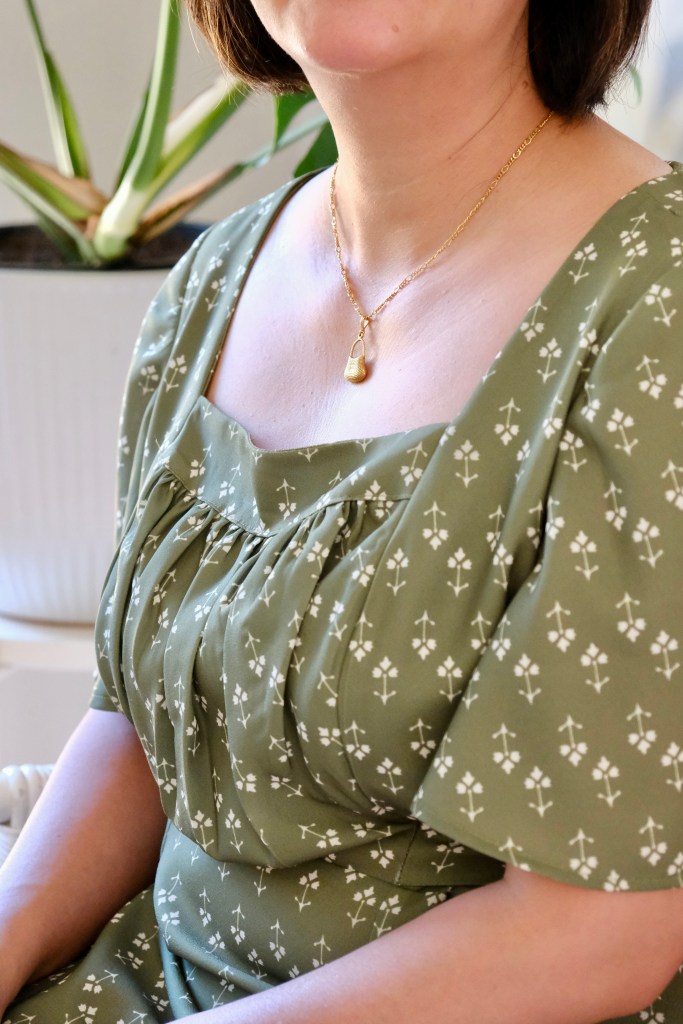
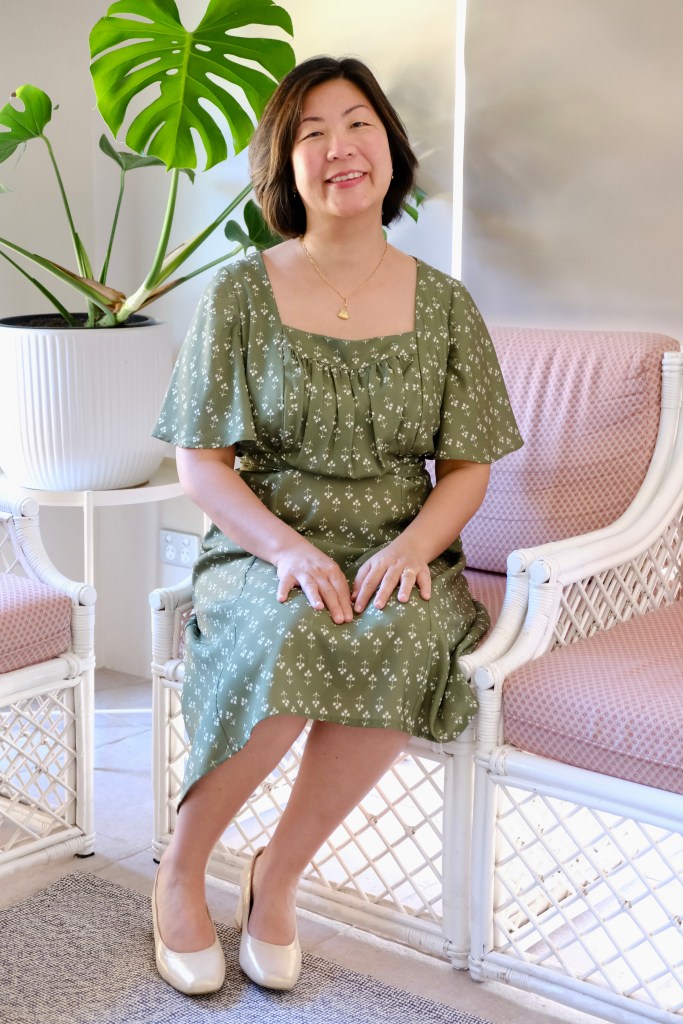
Firstly, the pattern I chose was the Marigold Dress. Each pattern draws inspiration from a period in history. The Marigold is from the Romantic Academia Collection. It is a pattern that keeps on giving because of the multitude of combinations possible with just a switch of one or two features. There are three versions which are suggested for the seamstress. The basic concept is a square neckline with princess seams and a fitted waist. I chose the suggested Version A which has a slim fitted skirt, but I chose the butterfly sleeves from Version C, and I left off the ruffled hem. There is also a belt that is sewn in which I chose to keep.

With this many options, I thought that printing and putting together the pattern was going to be time consuming and difficult but there is a comprehensive table, and it made the whole process quick and painless. There are two ways to print the pattern, one is without the seam allowance and the other is with the seam allowance added. I’m more used to having my seam allowance included so that is the one I chose. This is where it got interesting for me … I mistook the sewing line for the cutting line. I had printed the size 42 and size 44 because I fell between those two sizes and needed to grade the pattern. In the end, I decided to only cut the size 44 and grade from there but as mentioned, I cut the sewing line! To make matters worse, I cut into my “good” fabric thinking I had enough seam allowance and ease with the larger size to then “fit” it once I had cut the fabric pieces.

The dress has an invisible zip closure, so I did the usual basting stitches on my side seam and basted my zip. Imagine my panic when I couldn’t zip up the dress and there was no amount of ease or seam allowance that could help! It really puzzled me for the afternoon then I went back to the pattern and thought I’d start again, and this time make a better toile. When I reprinted the pattern, I realised my mistake which was actually a relief! It was me, not the pattern.

I chose the size 42 and 44 for my measurements of 38-inch bust, 33-inch waist and 40-inch hips. I graded the bodice from the 42 to the 44 waist and hips. The dress is a tailored fit with moderate ease, and I felt that this worked well for me. When I make the dress again, I might adjust the princess seams as well.

Initially, I was going to use a beautifully printed linen but because of my mistake, that fabric will now be made into a dress for my daughter. Instead, I had this green crepe the chine which my husband bought me that I’ve been keeping for a special make. He bought me 5 meters of this fabric of which I’ve used about 3.5 meters. The crepe the chine is drapey and light which is beautiful to wear. It highlights the skirt, the gathered front and butterfly sleeves nicely. I actually think this fabric was a better match in the end.

The pattern comes with some of the most extensively detailed instructions and illustrations which are great to learn from, but they also provide a summarised set of instructions for the more experienced sewist. I used the detailed instructions and appreciated the two pages of Basic Workmanship which is great for those looking to extend their sewing repertoire.

Stitchmaiden Patterns have a vintage vibe and draw inspiration from history but they really are timeless classics. This will be a dress that transcends passing trends and I’ll be wearing it time and time again. It’s a pattern that can be changed easily with so many mix and match options, so it is a “TNT” (tried and true) pattern for me. Oh! And another thing, please now refer to me as Stitchmaiden Emily.

Thanks for reading and happy sewing!

X Em
* This pattern was provided for a review with no obligation for a blog post.

Frankie Tankie

Featuring Fabric from the Maaidesign Artist Collection

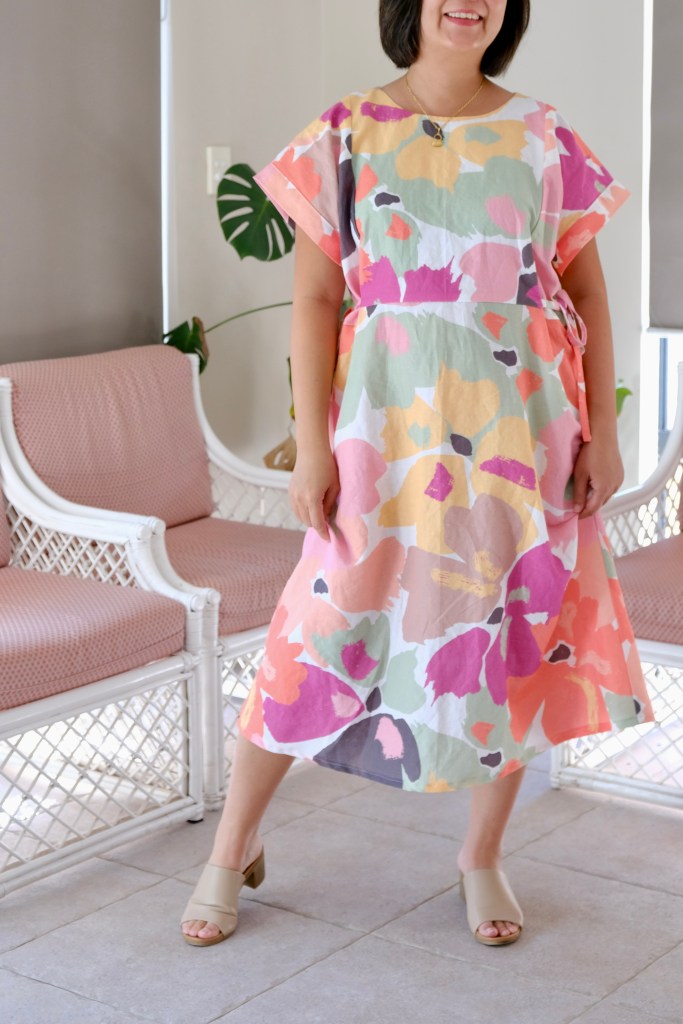
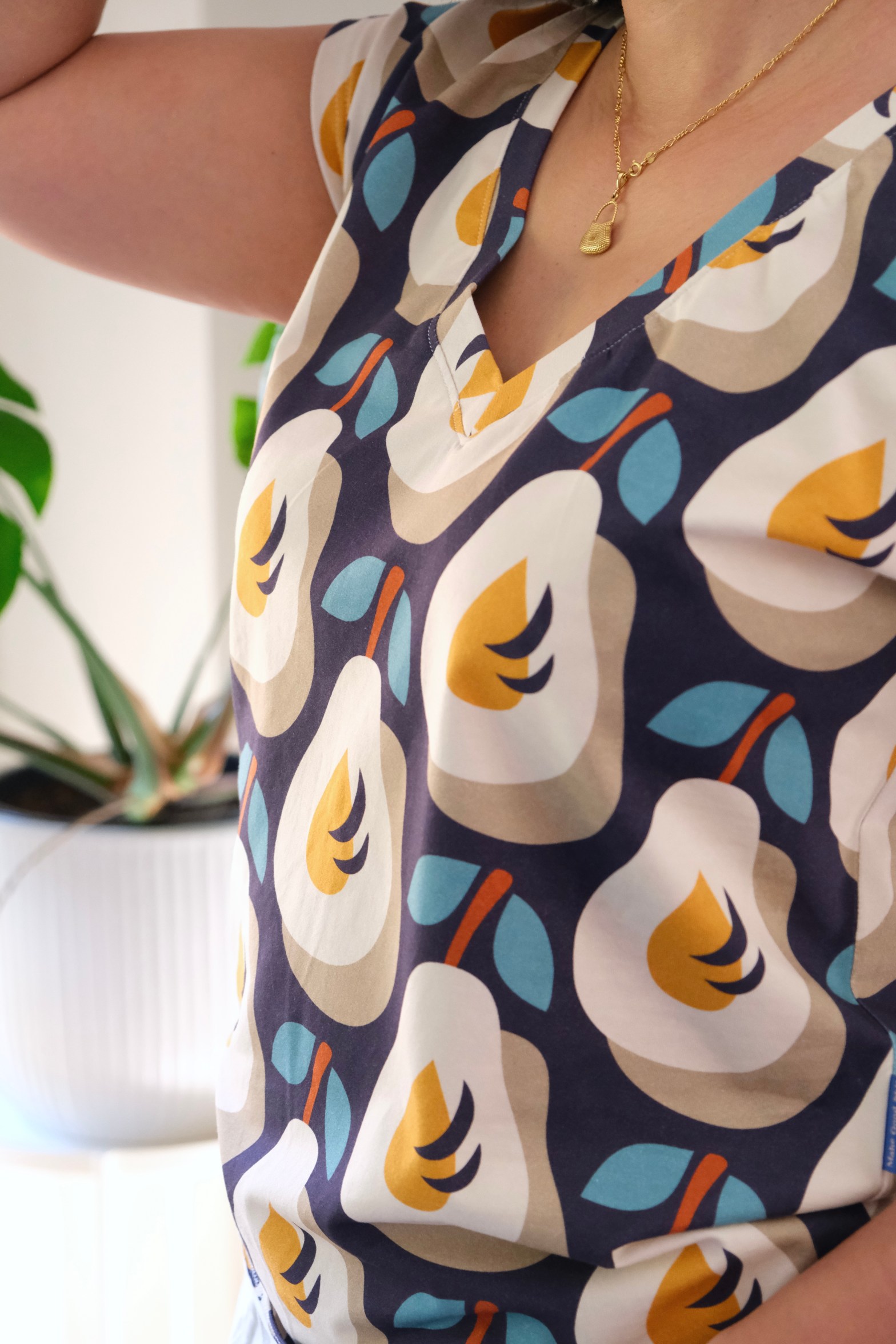
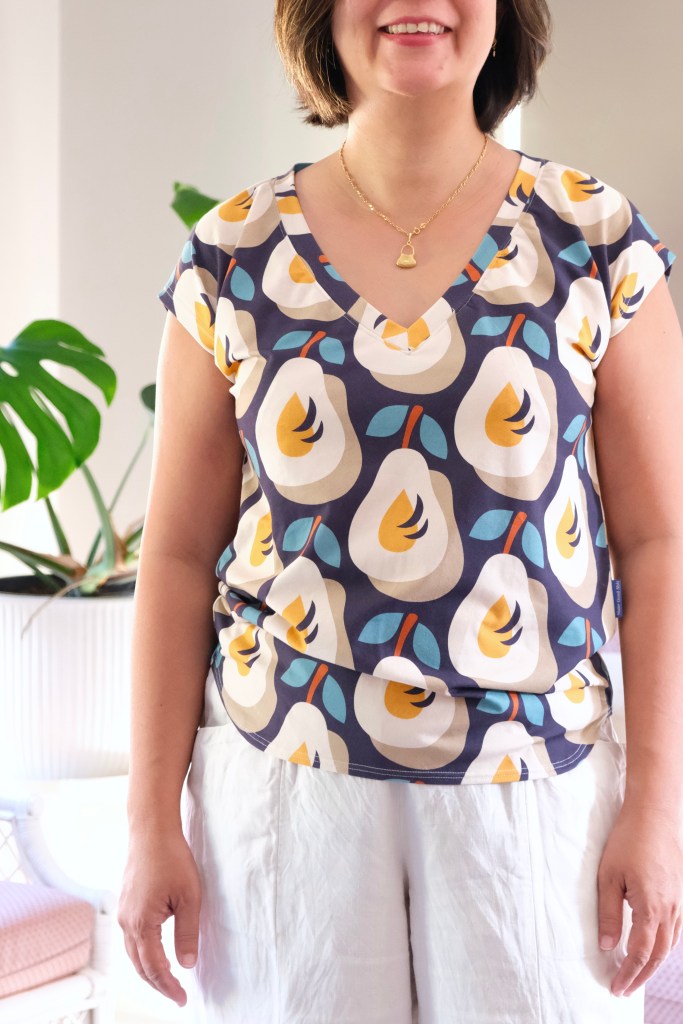
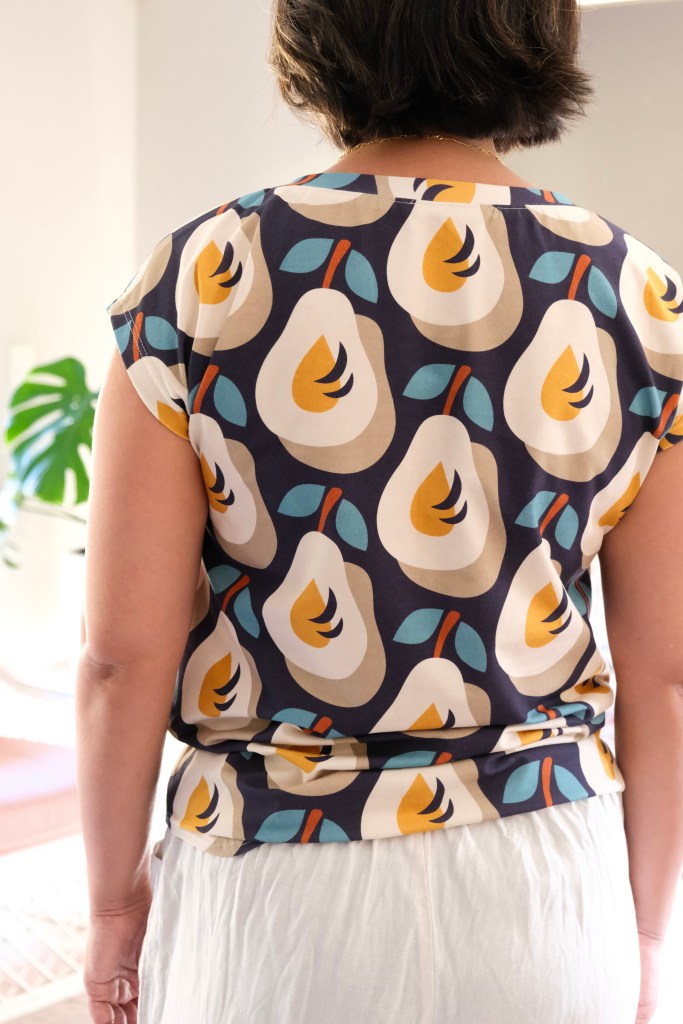
I’ve always wanted to come back to sew the Vanessa Hansen Frankie Tankie and with summer coming around it was perfect timing when Maaidesign sent me a preview sample from their Artist Collection. The Maaidesign Artist Collection features three talented designers; Jessica Neilsen, Jennifer Bouron and RouCouCou. The collection features these beautiful designs in three premium fabric bases. They include super smooth cotton lawn, soft cotton jersey and drapey viscose twill. There are no pre-launch orders available so the best way to make sure that you don’t miss out is to subscribe to the Maaidesign newsletter! Maaidesign have set their launch date for the 5th of December but it is best to keep an eye out with a subscription to their newsletter.

Messy Flowers by Jennifer Bouron

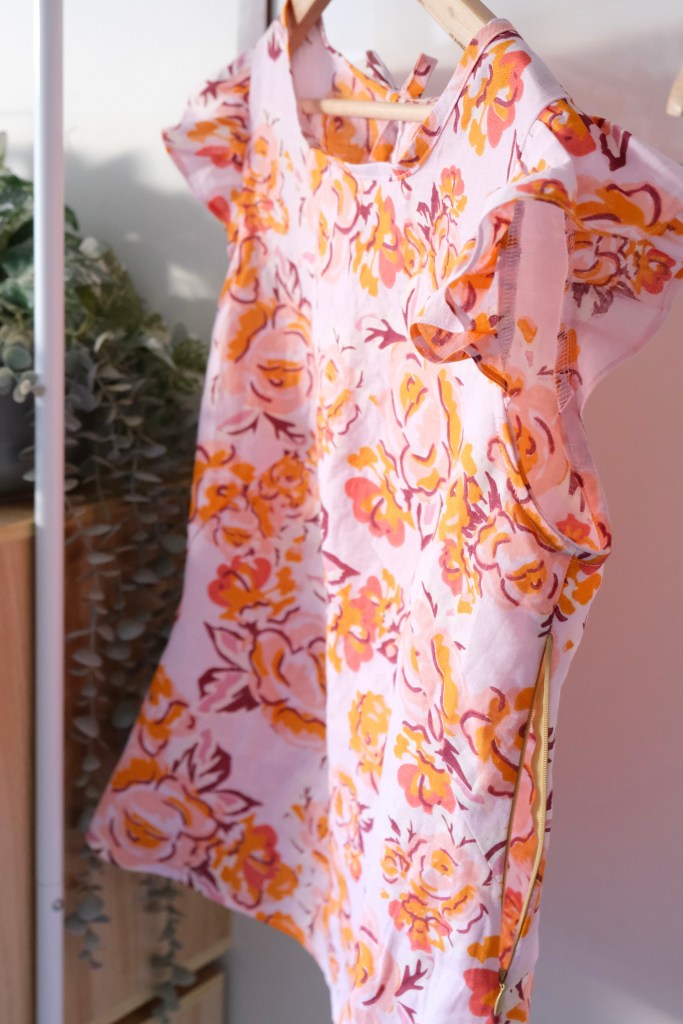
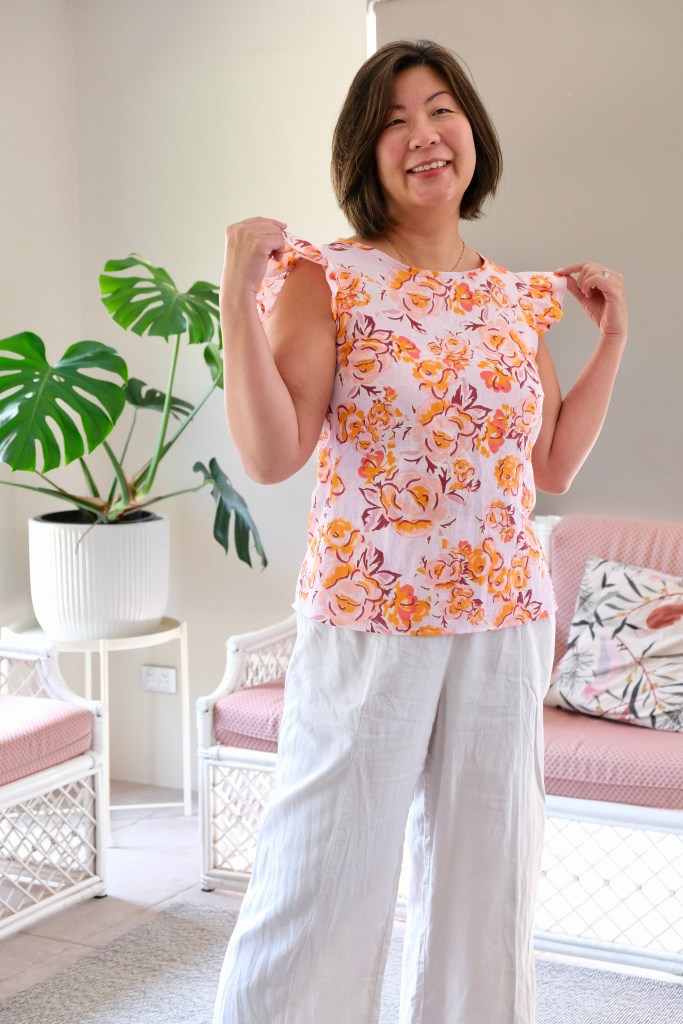
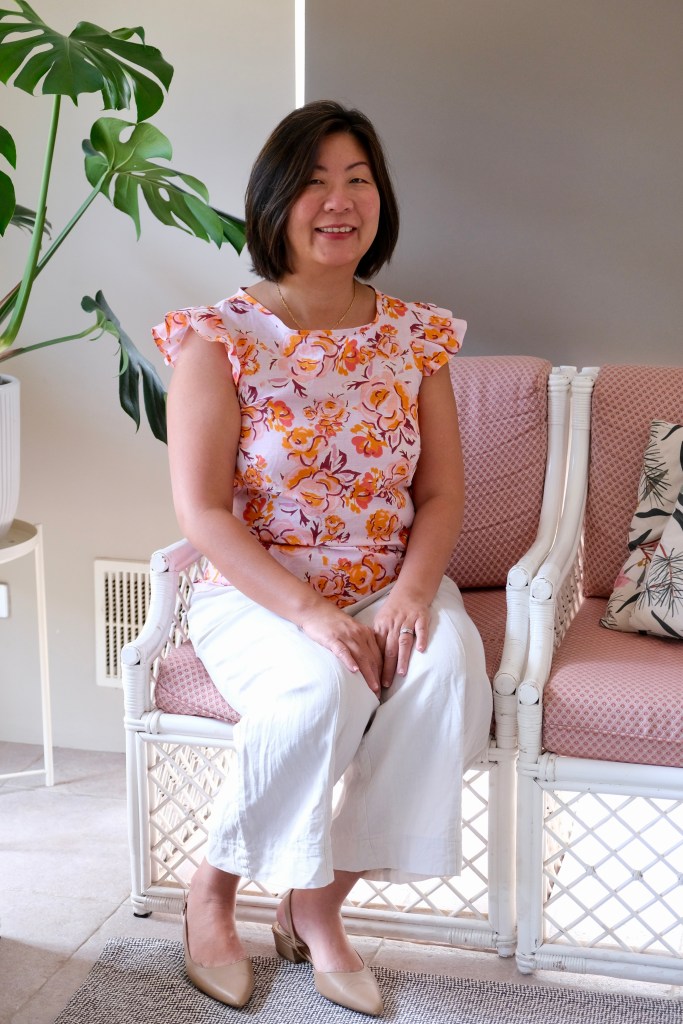
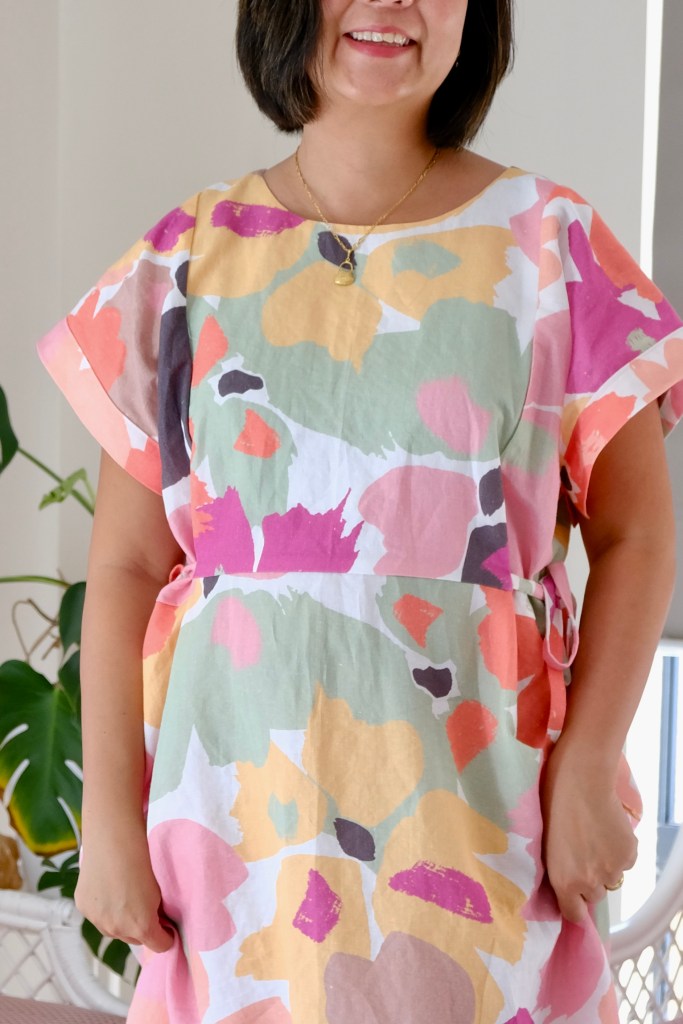
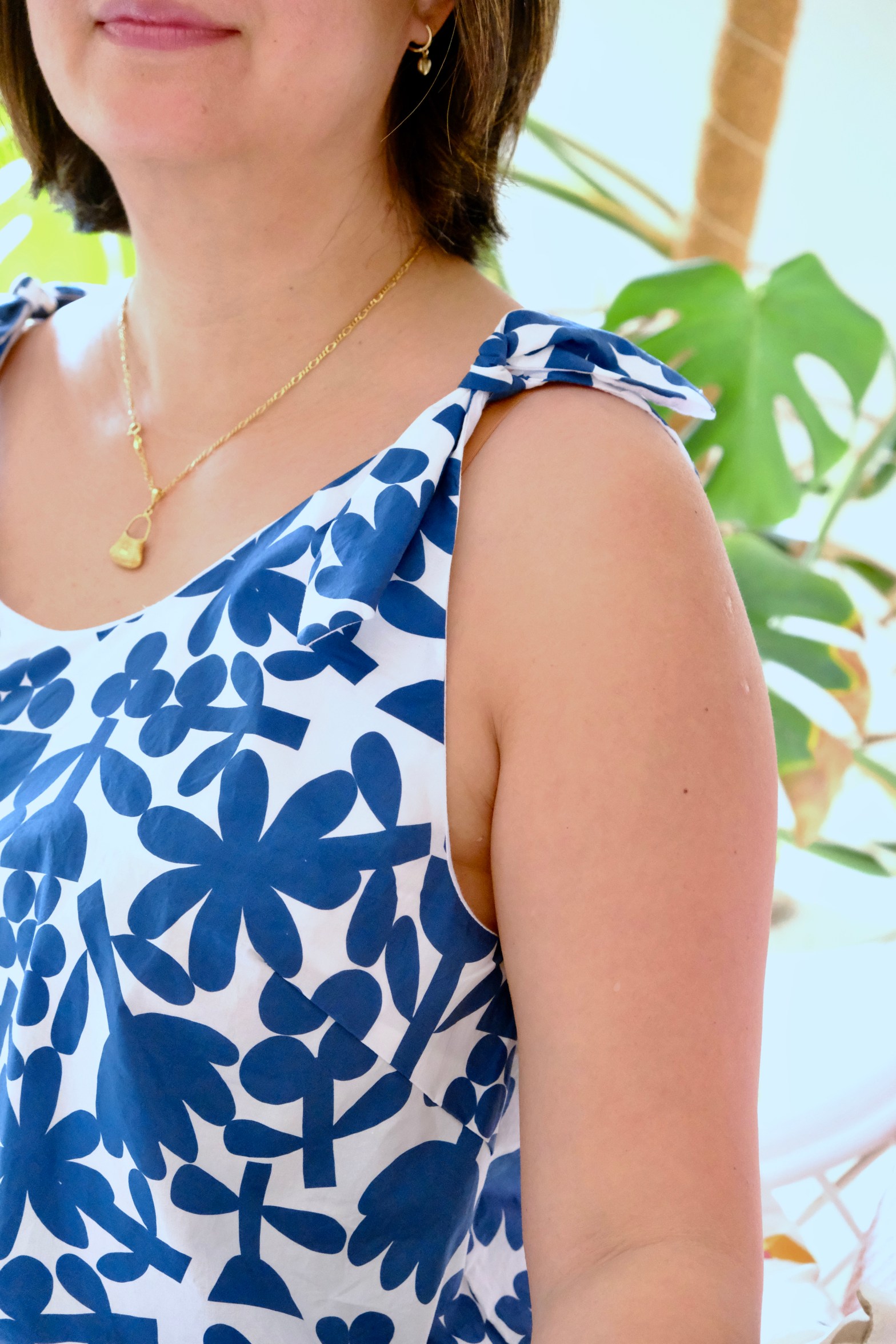
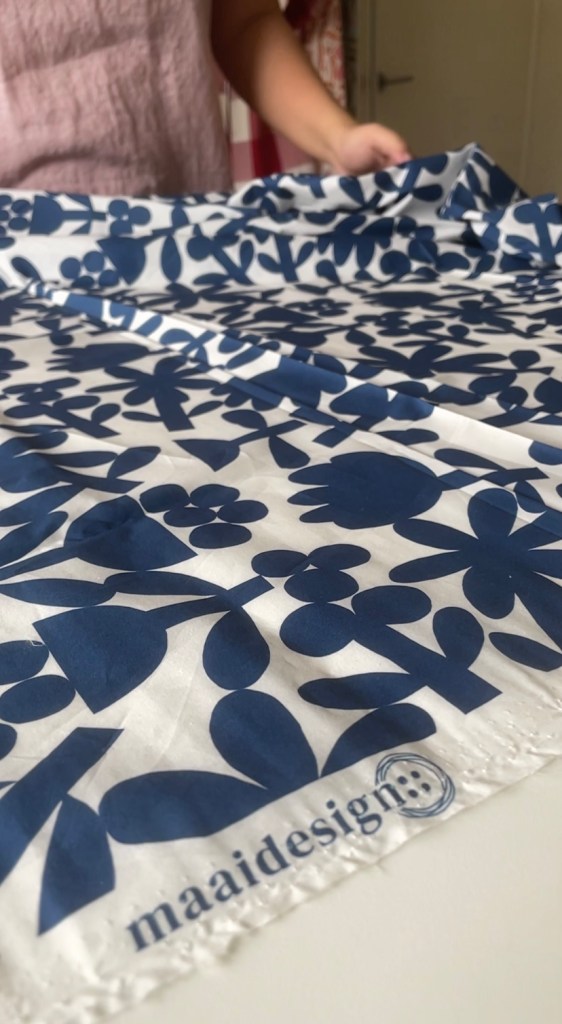
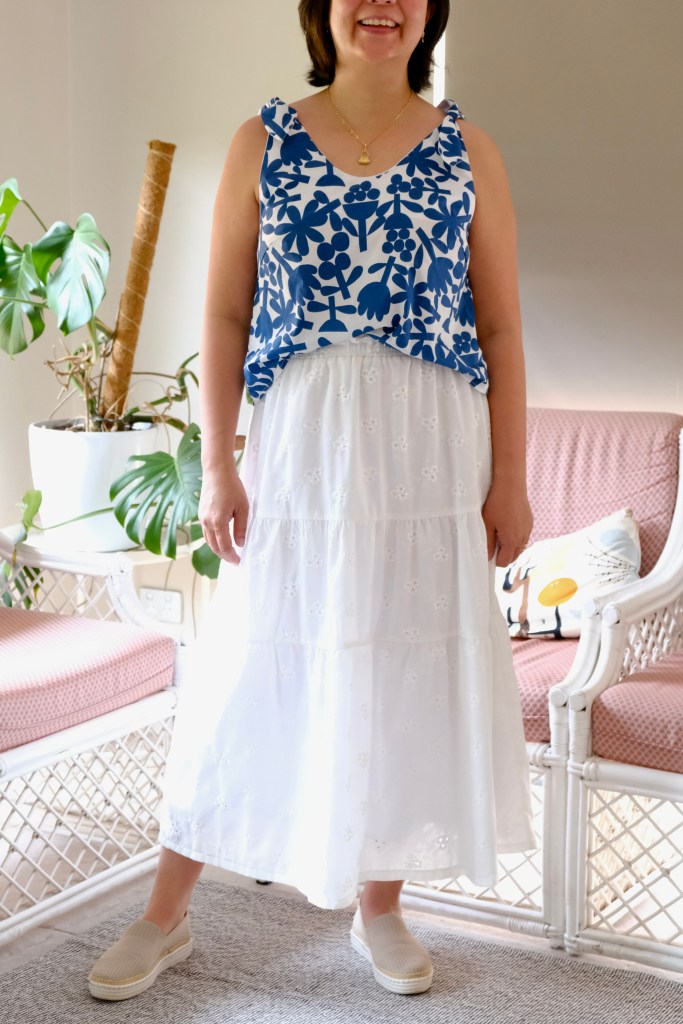
My little piece is called Messy flowers by Jennifer Bouron in a super smooth cotton lawn. It is beautifully lightweight and luxuriously smooth to feel. Maaidesign cotton lawn feels very silky and drapey. It’s woven at a very high thread count giving it that luxurious quality. This lightweight fabric is perfect for summer blouses and dresses. 

As usual, I started my sew with preparing the fabric. I do this by washing the fabric on a cold cycle , air drying and finishing with an iron because cotton lawn is one hundred percent cotton. There was no shrinkage or loss of colour in the fabric which is what I would expect of good quality fabric. I then prepared my machine by swapping to a 70/10 gage needle on my machine which I feel suits the lightweight fabric (80gsm) and the finer needle prevents snagging the finer fabric. 

The Frankie Tankie can be sewn as a double-sided blouse or with a facing. I’ve chosen the facing option. I used a white cotton muslin for the facing. I had about one meter of the super smooth cotton lawn. It is quite wide in width at 150cm, so it was sufficient for the Frankie Tankie. My measurements of 38-inch bust, and 33-inch waist fell into the size 12 but the pattern does run a little big so I could have also comfortably fitted into the size 10. The top is a cropped length, but I did lengthen the top by 2cm because I wanted to have the choice of tucking it in or wearing it out.

Maaike and the Maaidesign team have really curated the best quality fabric which is great when you’re buying online. I feel that it’s easy to trust that you’re going to get the best for your sewing projects. So excited for this launch of the Maaidesign Artist Collection! Messy Flowers by Jennifer Bouron is a beautiful bold abstract print. She is a designer that is known for her beautiful bold prints and illustrations, and I’ve been a great admirer for a long time. I’m so happy that Maaidesign have made it easy for Sewists to find these beautifully designed fabrics in one place. A blog post was not a requirement for receiving this fabric but I really wanted to share!

Thanks for reading and happy sewing!

X Em
Ritual Dress

Featuring Fabric from the Devonstone Fashion Summer Abroad Collection by Lindsey Rae

So excited to feature the latest fabric collection from the immensely talented Lindsey Rae @sewtogrow. It’s currently available for wholesale through Devonstone Fashion. It was hard to pick which design I wanted but I settled on the Cornwall Oceanside Print in a luxe linen cotton blend. It is fifty-five percent linen and forty-five percent cotton, 180-185 gsm and 145cm wide. The pattern is reminiscent of wildflower fields. I love the riot of colour in this collection. Best of all, it will also be available in a variety of substrates like rayon, poplin, and jersey to name a few.

Cornwall Oceanside Print

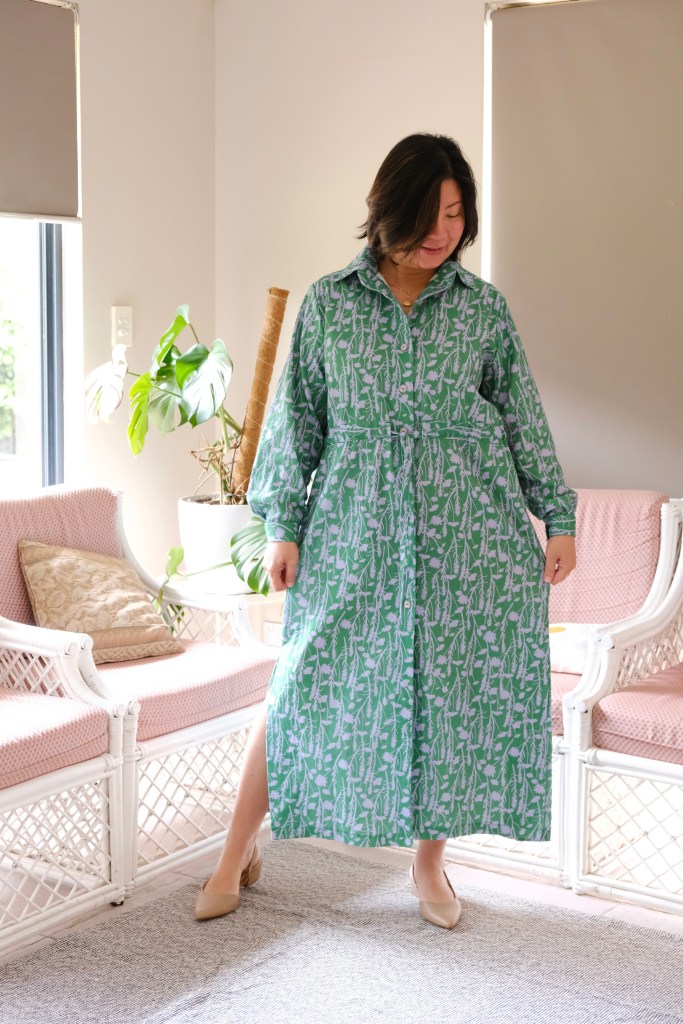
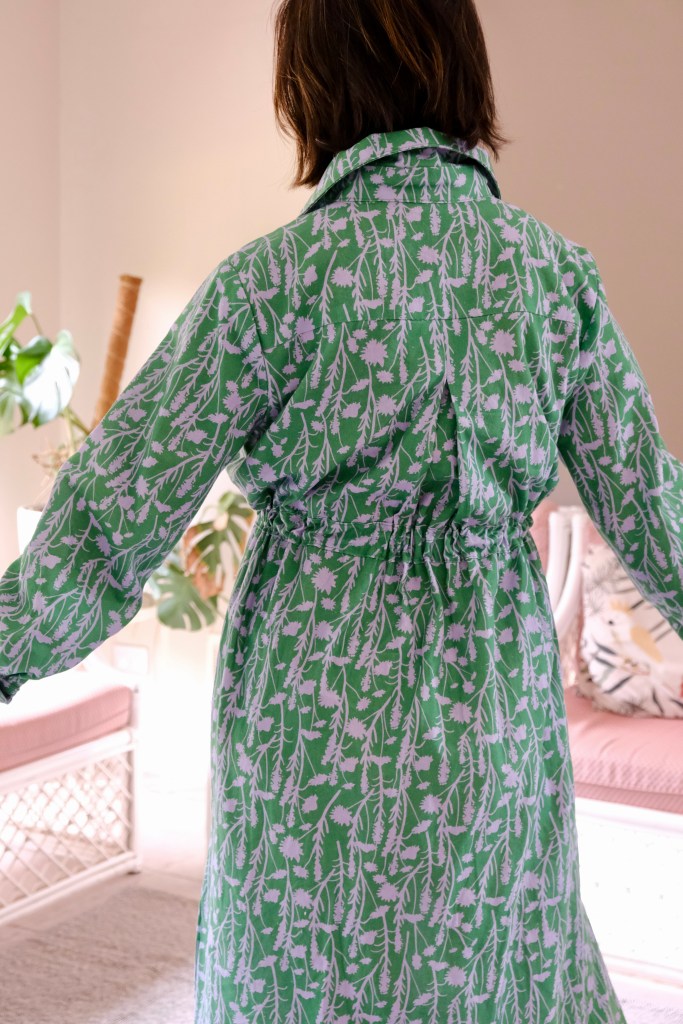
The pattern that immediately came to mind when I received the Cornwall Oceanside Print Linen was the Swimstyle Ritual Dress. I had bought this pattern last year but was waiting for the perfect fabric to match it. It’s basically a shirt dress but with the additional features of the drawstring waist casing in a maxi length. I haven’t had the opportunity to sew many collars and cuffs, so this was another consideration in my choice. The instructions for these are superb for entry level sewists.

As with any other sew, I washed the linen cotton on a cold cycle and popped it on the medium setting in the dryer. There was no noticeable shrinkage and no fading of the dye. I like how the addition of the cotton to the linen helps to reduce wrinkling and cuts down the time it takes to iron. I do appreciate that relaxed vibe that wrinkling in linen can give but I prefer to start wrinkle free and earn the wrinkles along the way.

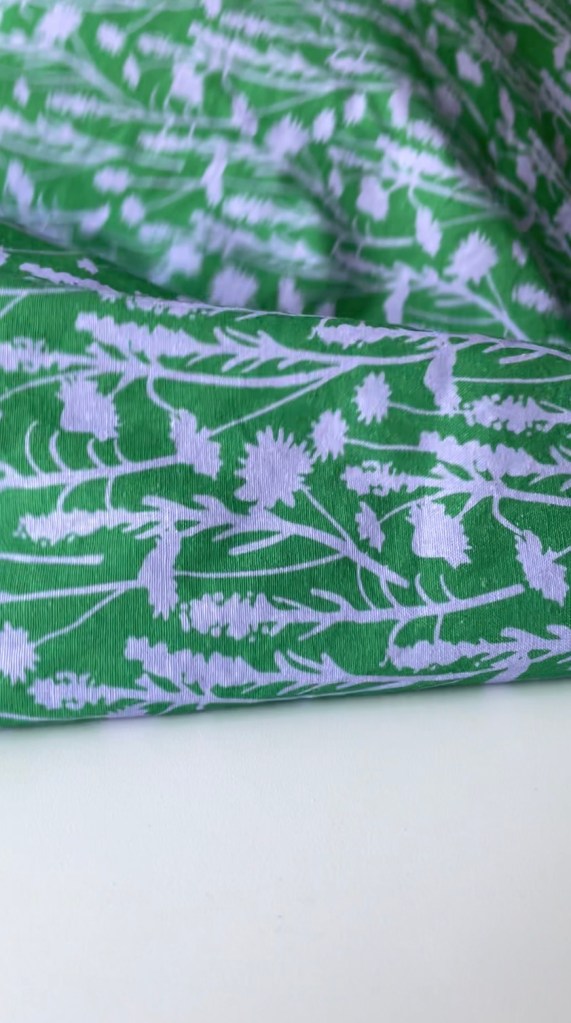
Of course, I also checked my needle. I left it on the universal 90/14 gage needle that I had been using. I matched the fabric with the Gutermann CA 02776 thread. I’m not sure the colour of the print shows up in the photos, but the print consists of shadows of mauve flora on a background of green. 

The Ritual Dress has quite a lot of ease in the pattern sizing, so I chose my usual Size L for my measurements of 38-inch bust, 33-inch waist and 40-inch hips. I did not make any modifications. My height is 167cm. I felt the pattern was true to size and fitted comfortably. Perhaps the sleeves could have been shortened slightly but I wanted to have the full-length sleeve and a properly maxi dress. I guess I’m great at sewing summer outfits, but I really need to make items that will see me through the cooler weather. I think this dress fits the bill nicely.

The collar and cuff instructions were great if you lack experience in this area. It’s really made for novice level and can highly recommend it. The Summer Abroad linen cotton has been such a good quality fabric to sew with. It still has that slight stiffness that linen starts with so it feels a little bit course on the skin but that will soften with a few washes. I know that’s sometimes a concern with linen, but it really doesn’t take long for it to season to a soft and pliable garment.

Hopefully, the Summer Abroad collection will be available for purchase soon from your favourite fabric store! Currently, it’s available for wholesale through Devonstone Fashion. Keep your eyes out for it from the Sew To Grow newsletter.

Thanks for reading and happy sewing!

X Em

Ele Skirt

It’s been a minute and a half since I’ve sat down to do some sewing. I decided that when my all my kids finally graduated from school, I would treat myself to extending some of my own education. It turned out to be extremely challenging but satisfying and was happy to pass my course. I’ve had to turn off all my social media just to concentrate and avoid the temptation to sit at my sewing machine. Now finally, I’m happy to be back sewing. I realised that I have come to rely on sewing to relax and decompress.

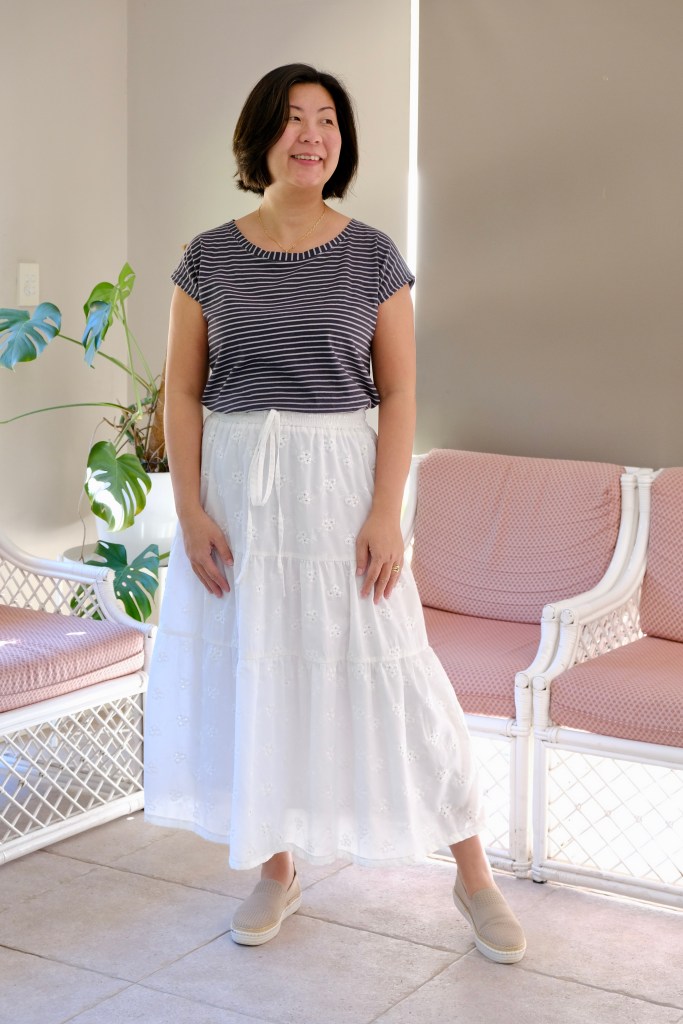
The pattern I chose to sew first was the Sewing Therapy Ele Skirt. I got it when it launched and it’s the perfect skirt weather with our weather warming into spring. It was a relatively quick sew and has great instructions. Again, Sara keeps all her instructions concise but detailed. She also includes great sew along videos on YouTube which I did watch.

I like the Ele skirt design of the flat front and elasticated back waistband. It’s more comfortable these days to wear items that have a bit of flexibility in the waistband. Hands up fellow endo sufferers and perimenopausal women. I want structure but comfort, if that makes sense. The fit is true to size. I made the size 12 with no modifications. My measurements are 33-inch waist and 40-inch hips. The pattern advises using the hip measurements to choose your sizing. 

The fabric I’ve used is a 100% cotton lightweight poplin. Even though I have largely stopped shopping ready to wear, I sometimes pop into Uniqlo to browse and I really love that style of shirt-fabric skirts that they stock. I’m happy with the choice except for a minor hiccup when I discovered that the narrow fabric did not fit the skirt’s pattern piece. To compensate, I trimmed the pattern piece and took a wedge off without affecting the hip or waist measurements. I’ll need to be more careful to find a wider piece of fabric when I make it again.

The pocket construction was one of my favourite features of the pattern as well as the list of options for the front pleats. I chose to make the big, inverted pleats but there was also a gathered option, knife pleats, reversed knife pleats. It’s fun when a pattern can be customised to your liking. The pockets are large enough to fit you hand and phone. Very useful indeed!

Another successful pattern from Sewing Therapy. I’m embracing neutrals and solid colours currently. I’m trying to make things that would match and balance out my more colourful, patterned makes. 

Thanks for reading and happy sewing!

X Em
Flora Dress

Featuring Nani IRO Rakuen silk and cotton in black

The Flora Dress is a new release from Pattern Scout. I was excited when I saw the release because she had detailed this dress on her YouTube channel last year. It was just made from rectangles of fabric with pleats. The simplicity of the dress is exactly the style that I love Pattern Scout patterns for. With the pattern release, the rectangle fabric concept is still there with a bit more refinement in the neckline but still retaining the wide tucks to fit the bodice.

The dress is made for lightweight woven fabrics that do not have any stretch. It was so lucky that I had the Nani IRO Rakuen fabric from DIY District. This fabric is a blend of silk and cotton with a composition of 70 percent cotton and 30 percent silk. It’s beautifully soft and lightweight at approximately 129gsm (a bit under 5oz). “Rakuen” translates to “paradise” which is depicted by the flowers and birds in a garden in what the description describes as a black background but, I would say that it’s more of a midnight blue background. I’m not disappointed as I prefer this colour.

Construction begins with sewing these pleats or tucks in the front and back pieces. It was a very satisfying exercise once you get into the rhythm of matching the notches of the tucks, folding, and marking the lines for the length of the tucks, sewing, and pressing the tucks and then repeating the whole process until the fabric was shaped into a fitted bodice that flared out into a flowy skirt. I guess the process reminds me of origami which is quite meditative and rhythmic when forming the shapes with the process of folding. It also requires the accuracy of origami, so I made sure that I measured the distance of the top and bottom of each tuck.

My sizing fell between the size 12 and 14 with a full bust B Cup. I did a toile of the size 12 because looking at the final measurements, there is a fair amount of ease in the waist and hips. I prioritised the bust measurements in choosing my size which worked out perfectly. To make the toile, I cut the tank top pattern pieces only which saves fabric. I used some of the remnant cotton lawn pieces from various previous makes. When making a toile, I find it’s important to use similar fabric. I’ve learnt this the hard way in the past!

Sewing with the beautiful Nani IRO cotton/silk fabric was lovely. Again, due to the fine nature of this fabric, I sewed with a 75/11 needle to make sure the fabric wouldn’t catch when sewn. I also pre-washed my fabric with an organic detergent (no enzymes) in a cold wash and air dried it. I remember shrinking some rayon once because I thought I would cheat and skip the pre-washing. Bad mistake! It shrunk so significantly that I couldn’t wear the top. That was in my first year of sewing and I’ve not made that mistake again. The other tip I can give regarding sewing with this fabric is to be careful when pinning the fabric. I used my quilters clips at times rather than making holes with my pins. I need to invest in some finer pins like what they use for bridal dressmaking, and I need to sort the blunt pins from the pincushion.

Amazingly, I did not use my overlocker in this make. Pattern Scout is great for their instructions for French seams. I decided to follow those instructions and I’m getting more skilled using French seams. It’s a satisfyingly neat finish. The neckline is finished with bias tape which there are also great instructions if you want to make your own. I used some pre-made black bias tape which saved me a bit of time and fabric. 

As you can see from the photos, I’ve sewn the long midi version of the dress with wide straps, and I left out the pockets. I know everybody loves pockets but with the finer fabric, I did not want to risk the outline of pockets and to be honest, I never use pockets in a dress because I’ll always have a bag. It’s a great inclusion in a pattern but I decided to skip it which made the construction even easier. The last thing to point out is the side slits of the dress. Slits are an important inclusion if you want to stride out or ascend stairs with a natural gait!

The Nani IRO fabric is another beautiful gift from DIY Fabric. This is another item sewn for my holiday capsule. I’m looking forward to wearing the beautifully soft and breezy fabric in the heat. It will be good for the evenings where I’ll need something a bit dressier for dinner but will remain cool to wear. There is also a light sheen from the silk in the fabric which probably hasn’t been captured in the photos. It gives the dress a luxurious quality and feels amazing. I can’t say enough how beautiful this fabric is to sew and wear.

Thanks for reading and happy sewing!

X Em

Valerie Raglan Dress

The start of 2023 has been great for my motivation to sew. One of my sewing goals this year was to really pick projects that help to develop my skills and to only sew items that I would wear repeatedly. Seems like an obvious goal but when I started sewing, a lot of garments were beyond my skills. I tried the big four patterns but often instructions were a bit illusive to a novice sewist like me. When Forget Me Not Patterns generously offered me a pattern for review, I was a bit worried about this, but the instructions and illustrations are one of the best I’ve ever sewn with.

The Valerie Raglan Dress was the pattern that I chose to review. It’s a dress with a fitted bodice and A-line skirt. The sleeves are raglan sleeves but are tailored with a dart at the shoulder, so it doesn’t have the bulky look of other raglan sleeved dresses or tops. There are so many sleeve options included with the pattern. I chose to sew the short sleeve with a flounce, there is also a long sleeve option with a cuff which I’m planning to sew for winter and there’s also the ¾ sleeve and short sleeve version. Along with all these options are also cup size options which is great for obvious reasons!

Fitting the pattern was a breeze with the comprehensive and logical instructions. In fact, the second page of the patterns gives such good instructions on how to choose which size to sew up. I fitted in the medium bust range, so that is equivalent to a B cup to C cup and my dress sizing was between the 38 and 40 for my measurements of 37 inch high bust, 33 inch waist and 38 inch hips. The pattern alteration tips were fantastic because I toiled bodice graded the size 38 bust to a 40 waist and hip. The other impressive thing about the pattern were the little notes that helped me to pause in my sewing so that I would go and check the fit physically. It’s such a good practise to develop as I didn’t have any sad surprises at the end of my sew.

Sometimes the mention of an invisible zipper sends a sewist screaming into the bush, but I had no problems installing it. I just followed the instructions step by step and before I knew it, I had installed it perfectly! It’s not a technique I’m familiar with but the result was the easiest invisible zipper I’ve ever installed, and this is even without an invisible zipper foot! It’s great to learn more professional techniques in a pattern. This was evident again with the facing attachment. This was attached using the stepped-back method. I watched the video and had a few attempts but unfortunately, I was unsuccessful, so I attached it my way. The great thing is, next time I come back to the pattern, I will try it again and I have the resources to help me.

The fabric I’ve sewn with is a rayon which has beautiful drape and is so good for summer. I’ve sewn a lot with rayon because it’s what I reach for in this heatwave called summer. Sometimes, I’ve read comments about the difficulty of sewing with rayon so I put together a little Instagram reels to share some of the tips that were generously shared with me.

Thanks for reading and happy sewing!

X Em
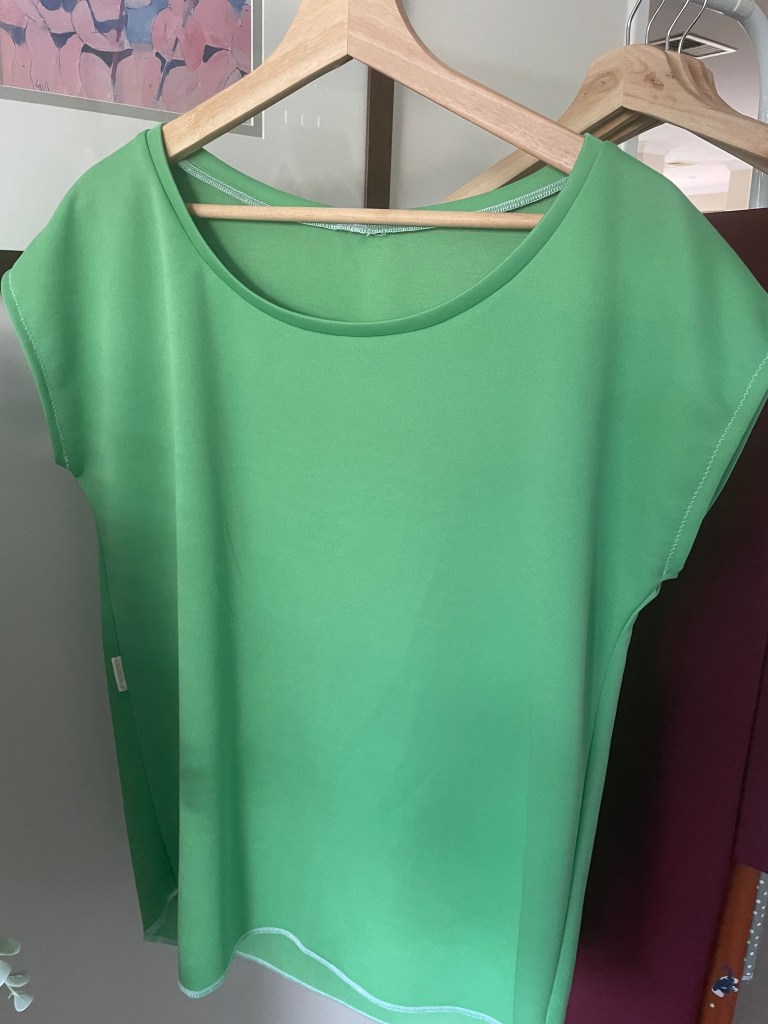
*Full Disclosure: Pattern was gifted for a review but all opinions expressed were my own.

Niya Dress

Sewing the Niya Dress was a great adventure! It was a happy discovery when I won a PDF pattern from J. Desiree Studio Patterns by participating in the Sew Giving 22 Sewing challenge which was hosted by @yagabyrdsews. I chose the Niya dress because it had so many unique features and can also be sewn as a wide pants jumpsuit. 

The bodice is quite loose initially and is attached to the skirt only by the front bodice. The back is open and there are two options. I chose to sew the half closed back but there is also a fuller opening as the other option. The skirt is gathered by elastic in the back and the front is initially sewn flat. While constructing the dress, I had a lot of doubts about if I was sewing it correctly, if the dress would suit me or whether I should construct it differently? I’m glad I stuck to the process and followed it until the end.

It really started to come together when I realised that the front bodice had a channel which I had accidentally sewed up. I used the seam ripper to reopen this to create a channel so that the ties could be fed through it. Both ties are then fed through the channel in the front skirt piece where the elastic for the side and back waistband are located. Once the ties are in, this creates tension in the front bodice which draws in the loose fabric in the front and prevents exposure from the side. The engineering was so interesting in this make as I couldn’t quite picture how it could come together without the traditional side seams. 

Looking at the other Niya Dresses by other sewists, I can see that everyone managed to thread their ties through the channels however, I had a lot of trouble. It might have been that the rayon crepe I used did get a bit bulky once sewn. Instead, I halved the width of the ties and made them quite narrow which I really liked the look of. The pattern has the option of making shoulder channels for more ties, but it was already gathered in the front shoulder bodice. I loved the look as it was without the ties, so I left them off my dress.

The sizing of the Niya Dress is very flexible. I made the medium with a mini skirt option. With the open back, it would look beautiful as a jumpsuit or a ball dress with maxi skirt. I needed a summery beach dress so the mini dress version was the perfect version for me.

Thanks for reading and happy sewing!

X Em
Hana Tank Top

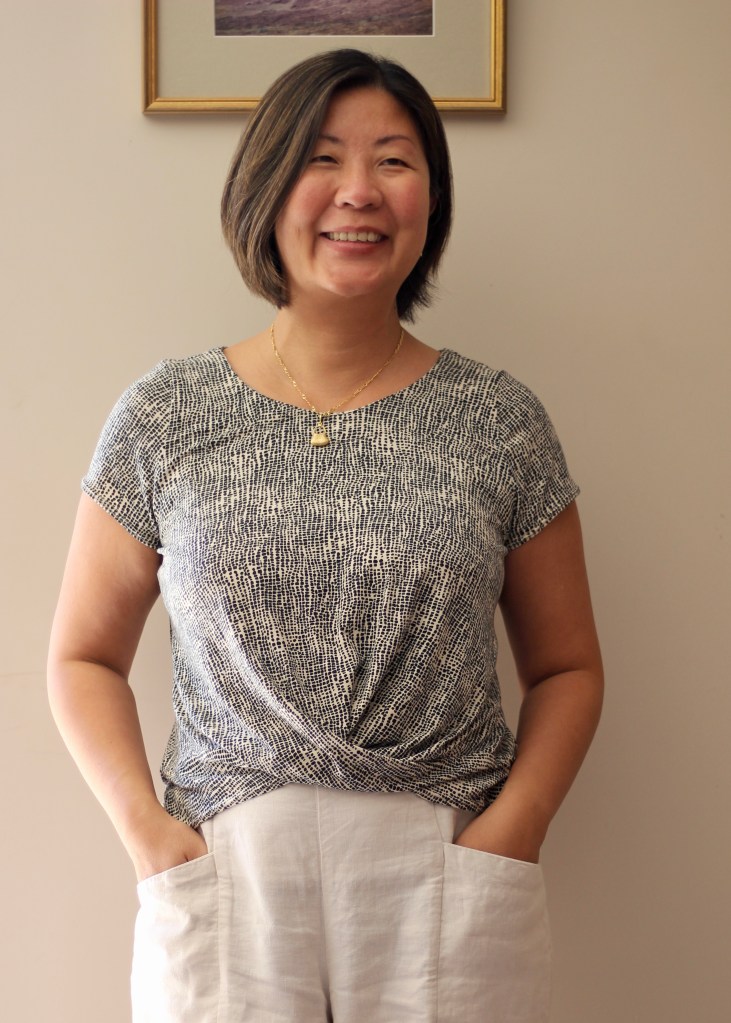
I was looking to purchase a basic tank top pattern in the Black Friday sales last year when it occurred to me that I already had the perfect pattern with the Hana Tank Top! I had sewn up the dress version previously but remembered that Patternscout Patterns are always such good value for the options that they offer. Sure enough, after digging out the pattern, the Hana can be also sewn up as a v-neck tank top pattern. There are so many options as it can be a cropped length, tie waist or as I’ve chosen, a curved high-low hem.

The bonus of sewing a familiar pattern is that I’ve already invested time and effort in sticking the PDF pattern together and I’ve already worked out the sizing. Now, saying that, I sewed up the size 12 for my size of 37-inch bust and 33-inch waist which was a good fit but for some reason the armscye is slightly tight under my arms. When I sew this pattern again, I’ll be sure to correct this by widening at the underarm area. The only reason I can think of for this to have occurred is that I may have installed the bias binding a bit too tightly in the tank top as this was certainly not an issue when I made the dress version.

The fabric I used was leftover linen from the Megan Nielsen Pattern Shop when there was still a physical shop to visit. Unfortunately, it has since closed which is a pity since there aren’t a wide variety of fabric and haberdashery shops around town. One of my sewing goals this year is to use up majority of my scrap fabric and leftover fabrics. I had about 1.5m of this lovely linen which was the perfect amount for the Hana tank top.

With each sew, I feel that I make a little progress either building the skill of sewing or working out a better way to construct a garment. In this sew, it was the curved hem that I made progress with. I’ve always felt that my curved hems were messy, and I didn’t like the way it would curl up with a folded finish. I could never iron the curves evenly or get close enough to the edge to make it even. Someone on Instagram shared how they made a facing to finish off their curved hem, so I decided to try it out and I’m pleased to say that this worked out perfectly! Definitely the way to go with a curved hem. Now it sits flat and even.

Thanks for reading and happy sewing!

X Em
Orchidee Blouse

Making a toile

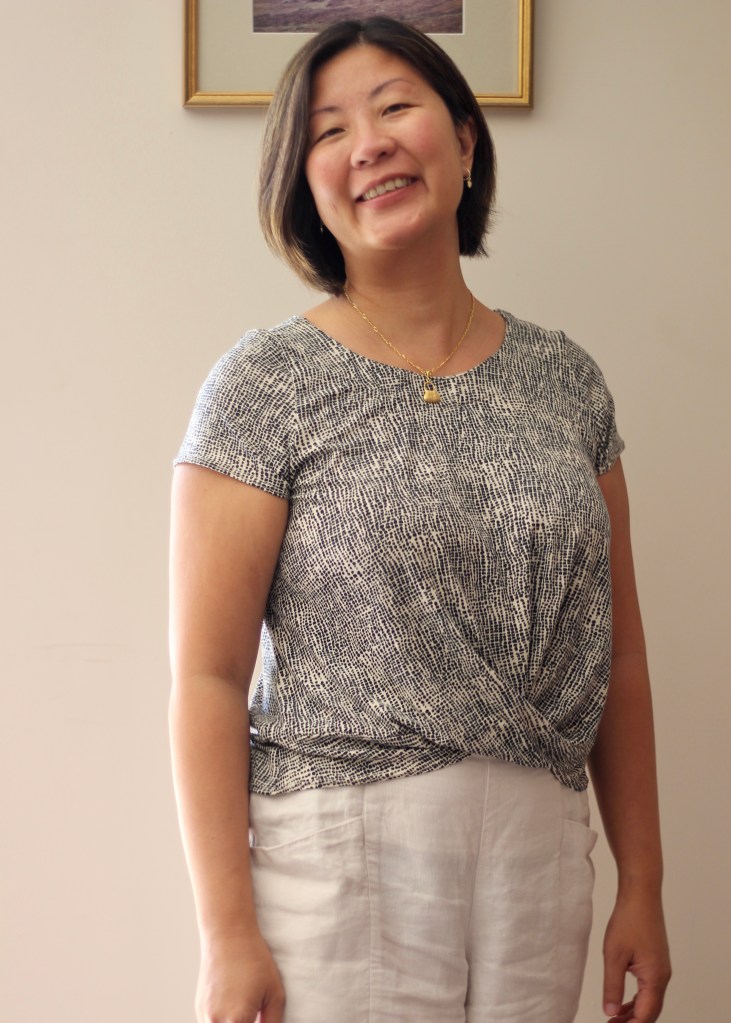
This is my first attempt at a Deer and Doe Pattern. The Orchidee pattern can be sewn as a dress or a blouse. I’ve chosen to start with the blouse. It has beautiful puffy sleeves with a short peplum cinched in at the waist and the most intriguing component for me, the button loops or sometimes referred to as bridal loops as they are commonly seen on bridal gowns. It’s also fully lined which adds to the quality of the make.

When I started sewing, I would often read the warning in a pattern to toile, or I’ve also heard it being referred to as a muslin. Basically, it’s always a good idea to sew the pattern or part of it with cheaper, or in my case, remnant fabric. It was a struggle at first to understand how to make an effective toile, so I thought I’d document my process in this blog post. There are some good articles of how to fit things properly, but this is my personal process. When I was learning, I found it hard to follow more professional tutorials so I hope this more basic process will be helpful to someone just starting out.

Talking about fit, that’s where I started. Looking at the sizing chart, I sat between size 42 with a 37-inch bust and size 46 with a 33-inch waist. It was also important to check the finished garment measurements as this informed me that there isn’t much ease in the fit meaning that it should sit quite snug or fitted to the body. From here, I printed the size 42, 44 and 46 so that I could grade between the sizes. I would start with the size 42 bust and grade to the size 46 waist.

Now, I know that some people like to print every size out and then trace but I really love the option of just printing my sizes and then modifying the pattern and cutting into the paper. I usually buy my patterns as a PDF version for this very reason because even if I cut into the pattern and my size changes next time, I can still print and repeat the process. 

So, before cutting into the fabric, I usually try to figure out what I’m most unsure about with the fit of the garment I’m making. In the case of the Orchidee blouse, I needed to know from my toile, whether the waist would fit, where the neckline ended and where the under bust seam sat. This then really clarified the process for me as I don’t tend to follow the instructions in order. I used to just use cheaper fabric and sew up exactly as instructed by the pattern but in my opinion, that wastes time, effort, and material as even cheap fabric costs (if not monetarily, then environmentally).

The first part I tested was the waistband as this must cinch the waist in. I cut the size 46 and sewed up and found that it fit well. Having confirmed that the waist is a good fit, I now went back to the pattern pieces and graded from the size 42 to the 46 at the side seams of the bodice. 

The next part was to test the length of the bodice. I had measured from my shoulder to waist but unfortunately, most patterns do not include this measurement. Instead, I cut at the lengthen/shorten line on the bodice pattern piece to add some paper measuring about two inches extra. I then measured the paper with the original length and the added length and found that the original length was fine. The idea of adding the length to the pattern piece is that you can play around with where your bodice piece is with some real measurements. In the Orchidee blouse, it’s imperative that the bodice piece ends just under the bust. 

The neckline was another question mark for me. I’m more comfortable with a modest neckline. I could see with the toile, that it sat an inch too low for me, so it was simple to trace the original neckline onto a blank piece of paper then keeping the top of the neckline in position, I just brought it out by and inch and joined the lines. I then made sure I added the same length to the button loops.

In the end, my toile consisted of the two front bodice pieces, the waistband pieces, and the back bodice piece. From there I sewed the lining which allowed me to check the fit again. It was then an easy process to sew the outer shell of the blouse. 

The button loop did terrify me at first, but the instructions were great, and the tutorial included photographs, so it was easy to follow. I always like to research the many different methodologies. What worked best for me was to hand tack the cord first then sew with the machine which gave me more accuracy. I found that the double-sided tape suggested was okay, but the cord would bump and that movement lead to unevenness in the loops. 

The final dilemma was the peplum length. I initially thought the peplum looked too small, so I decided to double the length of the peplum however, once I finished and wore it, I knew I had made a mistake. It just sat very awkwardly, and I humbly admit that the designers are right and there’s a good reason to trust the original design elements! Out came the seam ripper and it was fixed easily.

All in all, I really enjoyed this sew. It had so many puzzles for my brain, and I enjoyed all the new elements that were tackled in the sew.

Thanks for reading and happy sewing!

x Em