Sewing Plans for AW2023

I always find myself scrambling when the weather cools down, looking for cosy outfits to fight the chill at sunset. The items in the wardrobe that I’ve packed away in the hotter months now need to be retrieved, aired, and prepared for wear. 

Last winter, I was happy to tackle a few projects like the Nova Coat, Marlo Sweater and Cozi Jacket. 

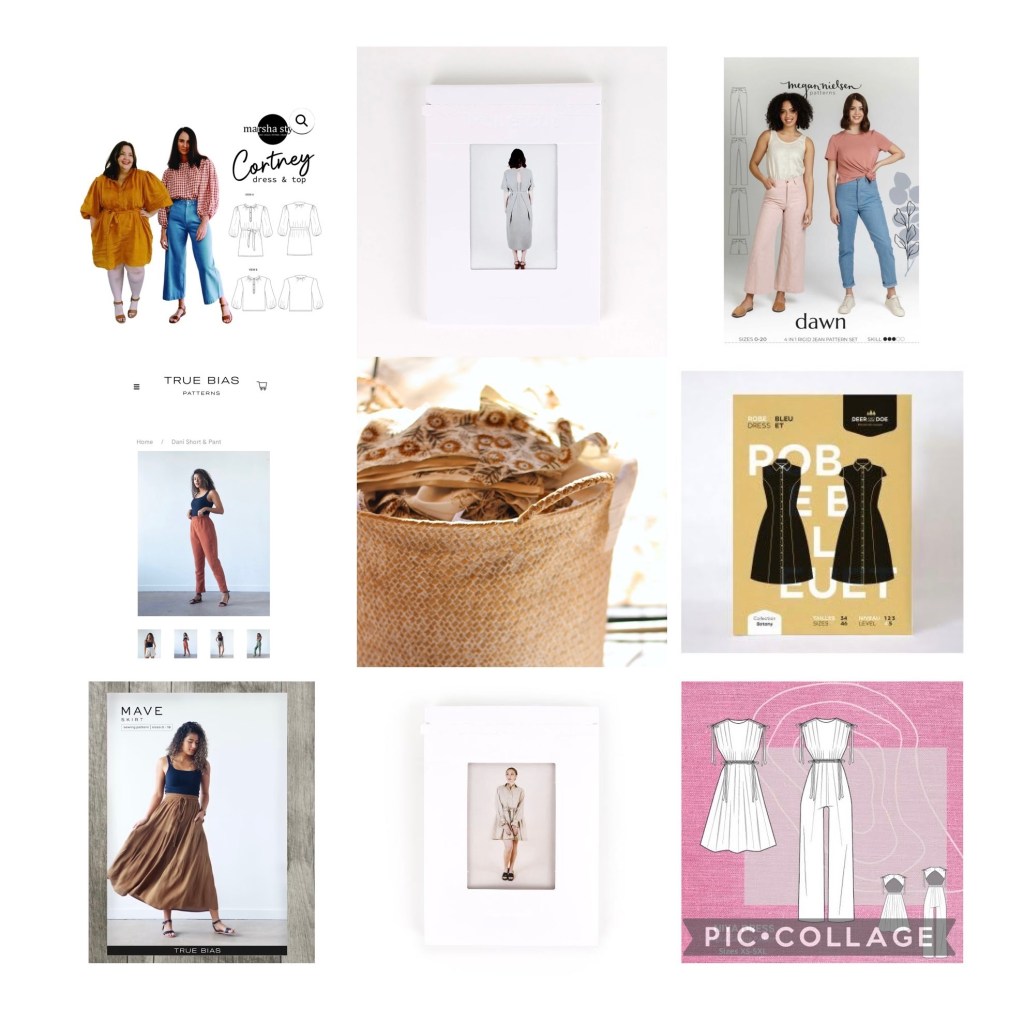
My “Make Nine List” this year includes the Niya Dress, Mave Skirt, Dani Pants, Courtney Dress, Dawn Jeans, Ashling Dress, Tide Dress, Bleuet Dress and tackling my ever-growing scraps collection.

Make Nine 2023

I’ve managed to sew the Niya Dress and Mave skirts which have been such great additions to my wardrobe. I’d like to concentrate on the Dani Pants (from True Bias Patterns) and the Dawn Jeans (from Megan Nielsen Patterns) for the cooler months. Making jeans have been on my wish list for a couple of years so it would be great to try the pattern this year, but I am still looking for the right fabric.

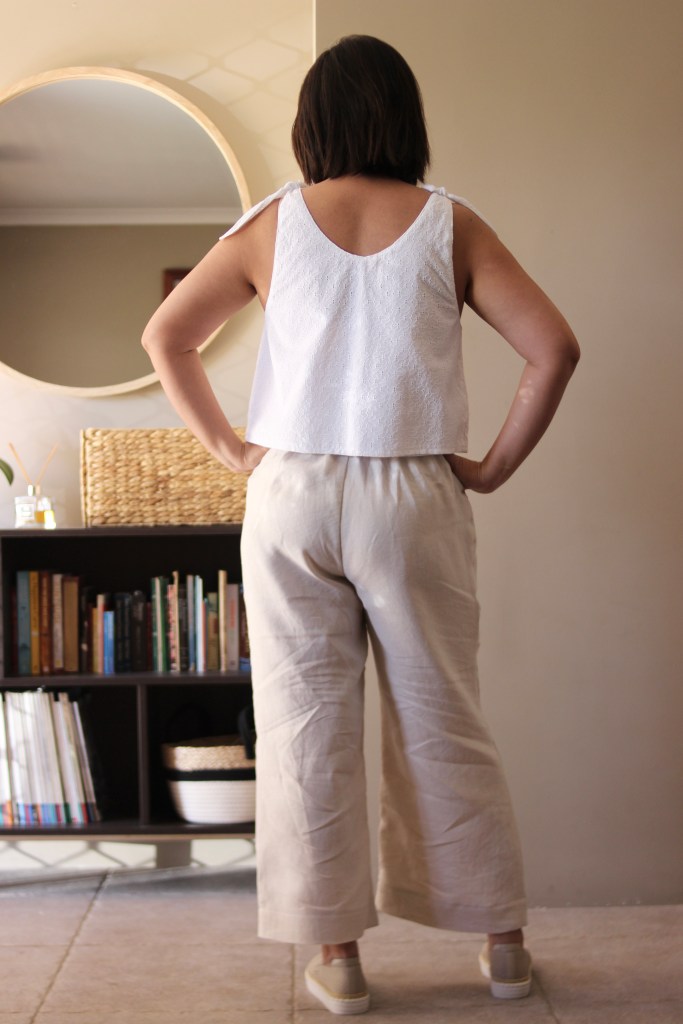
The Me Made May Challenge is also coming up. I’ve used this sewing challenge in the past to assess my makes. I’ve been doing my own Me Made Everyday Challenge. In summer, the Pietra Pants have been the hero item from my wardrobe especially the neutral-coloured wide leg pair. The Me Made May Challenge is a personal challenge where you can set your own goals. I’ve used it in the past to assess the quality of my makes and made repairs if needed. Last year, I made a look book and recorded the first week or two. This year, I’m hoping to record my daily outfits and I’m including ready to wear items that I have. I’m including ready to wear because I already had great quality items before I started sewing and I want to incorporate my sewn items into my existing wardrobe. Along the way, I’ll be taking note of any items that need replacing or maintenance.

Of course, the plans are flexible, and I might find myself sewing a dress or two for relaxation purposes! Generally, every item I’ve sewn is treasured and has been used well.

Thanks for reading and happy sewing!

X Em
Brattle Top

A beginner’s guide to sewing with knit fabric (from a beginner).

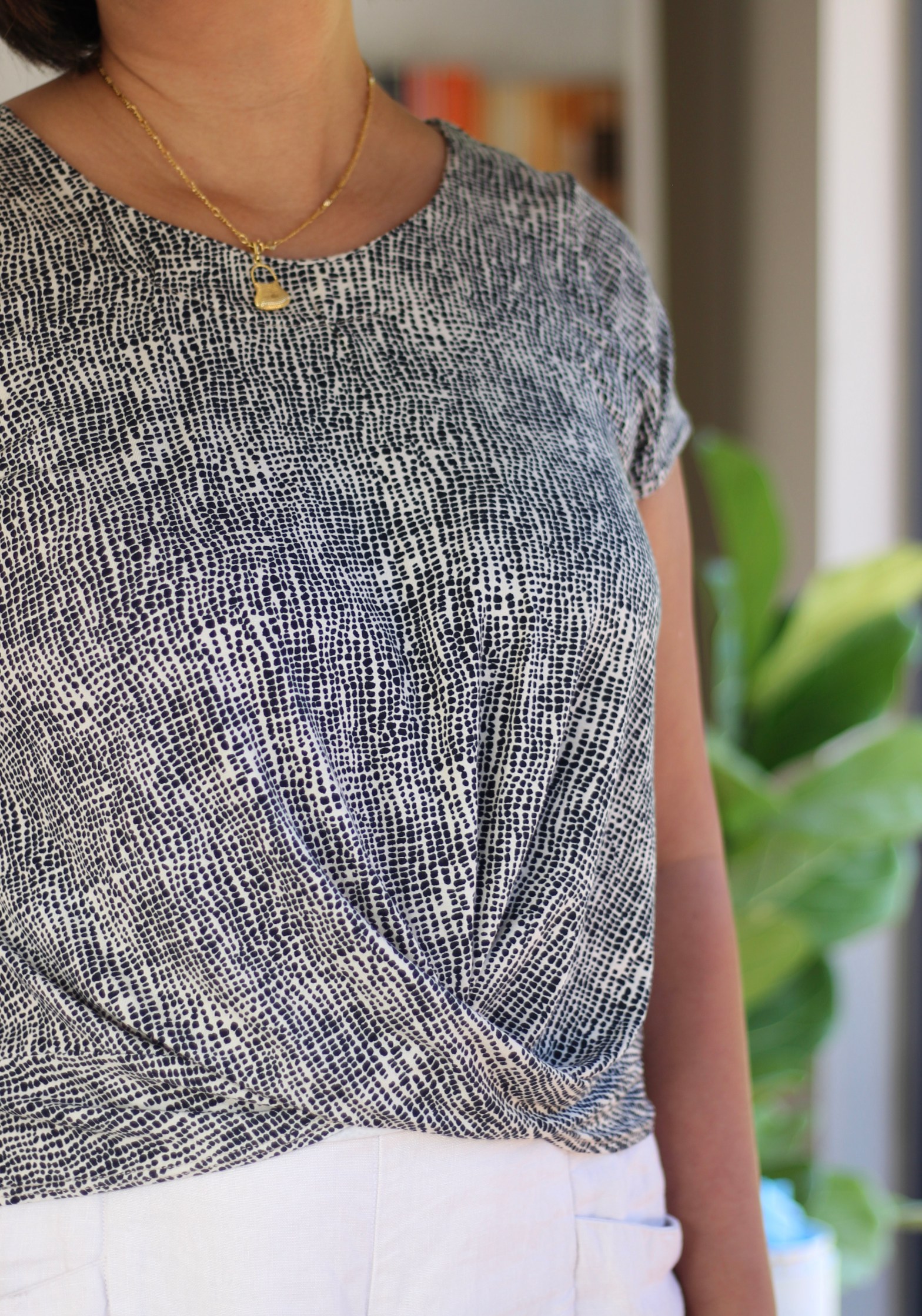
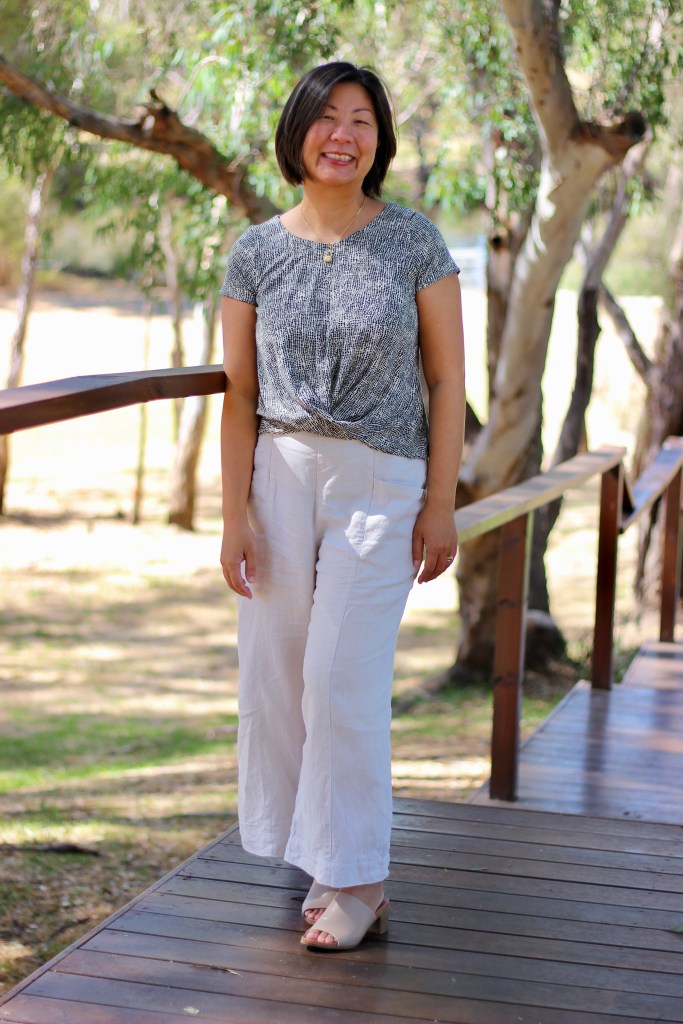
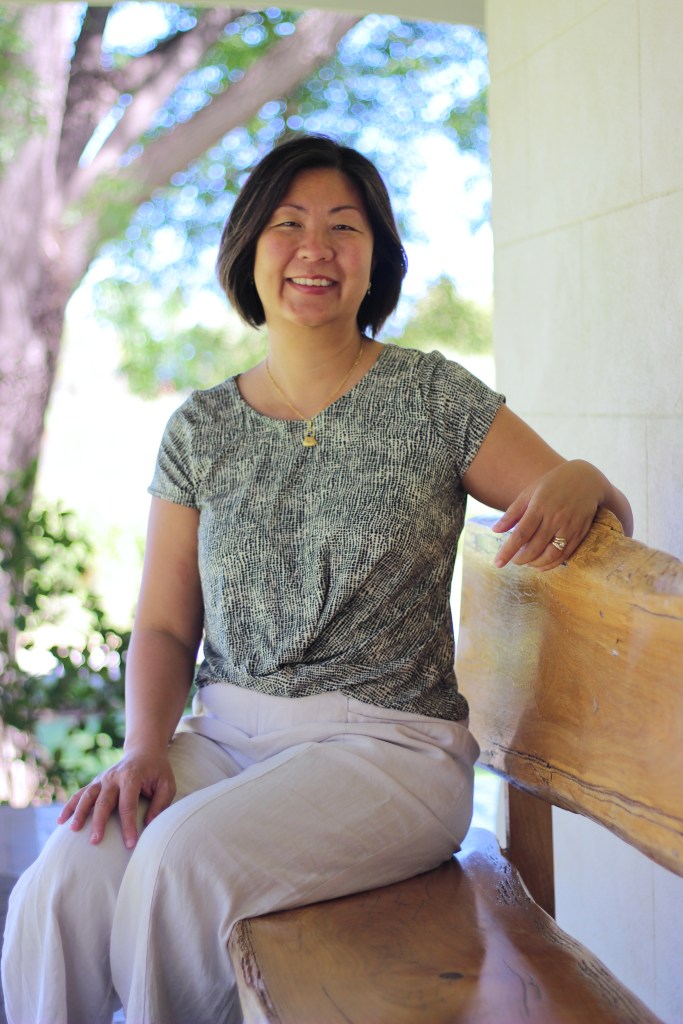
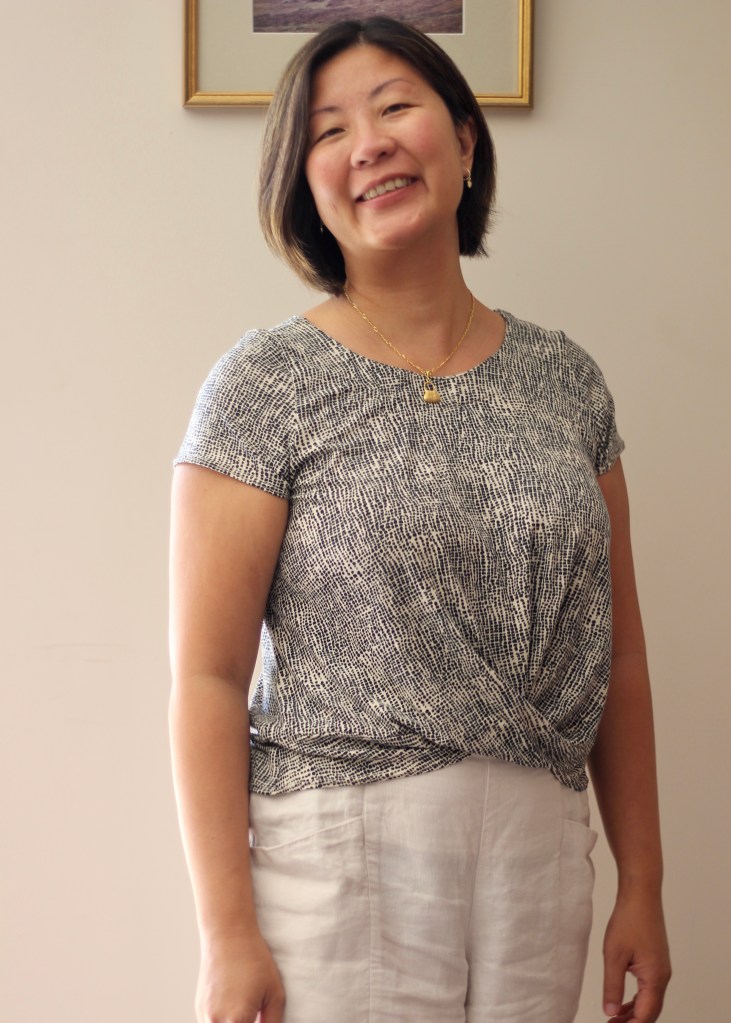
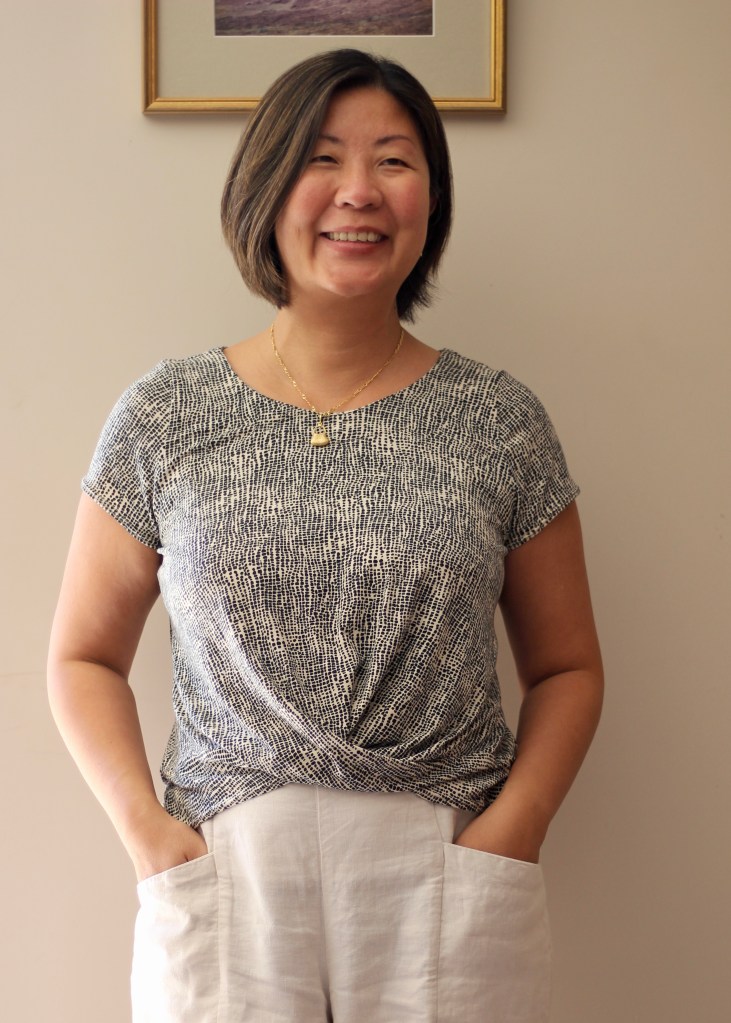
Sewing knit fabric has been something I’ve avoided in the past but since joining Cashmerette Club* and having access to their wonderful resources, I’ve gained a lot of confidence in this area. In fact, I’ve been looking for more to sew! The Brattle Top is the April pattern of the month for Cashmerette Club. It’s a tee with a twist front. It’s such a comfortable top to wear and the twist just gives it a little bit of interest. 

For those that are just venturing into sewing knit fabrics, here are a few tips that I wish I had known before starting out.

Needle

You’ll need a ballpoint sewing machine needle. The ballpoint needle will slip between the fibres of the fabric and will not snag the fabric. In my first attempt, I had tried sewing with a universal needle and it was snagging that fabric so badly that I just could not continue until a lovely person on Instagram informed me about ballpoint needles. 

Stitches

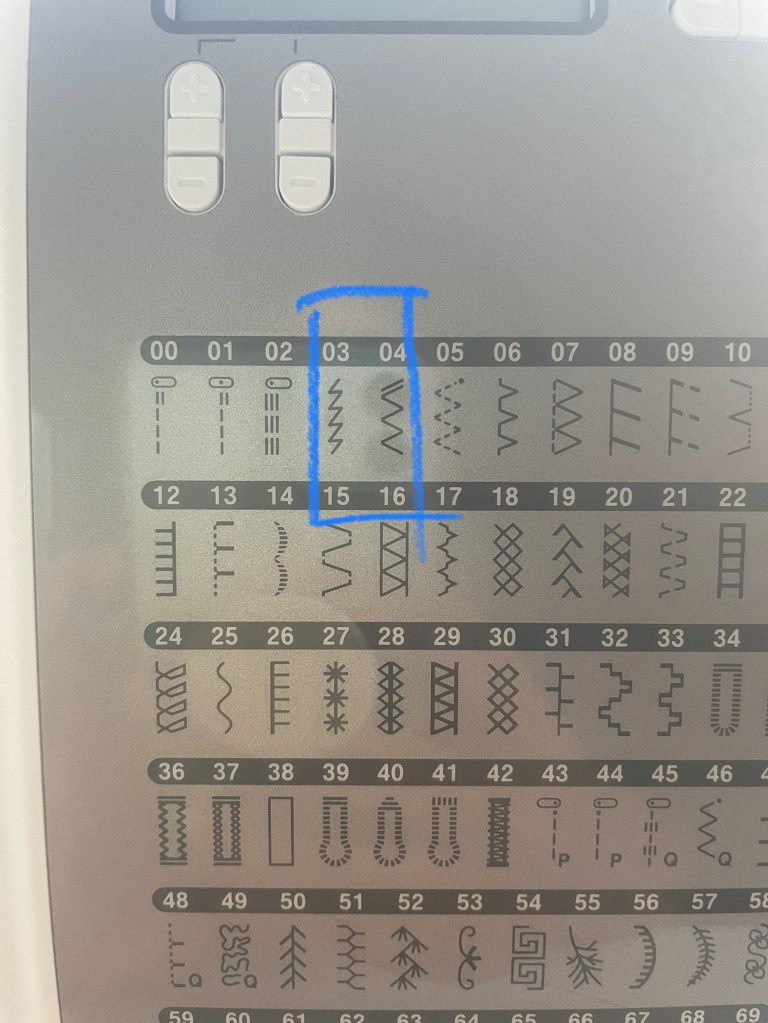
Another problem I had encountered with my first attempt at knit fabric sewing was that my stitches kept breaking off. This is because there’s elasticity in the fabric and a straight stitch just doesn’t accommodate for this stretch. I use a lightning stitch or a zig-zag stitch. I tend to use the lightning stitch for seams because it has a narrow width with longer stitch length, but the zig-zag stitch looks better for top stitching. For hemming, I use the twin needle. 

Don’t pull on the fabric

Another challenge with the elasticity of the fabric is the temptation to pull the fabric as you sew which warps the fabric. I’m just very mindful not to put tension on the fabric unless I’m attaching something like a neckband which is often a requirement of the pattern. Otherwise, I try to keep the fabric flat.

Get yourself an overlocker

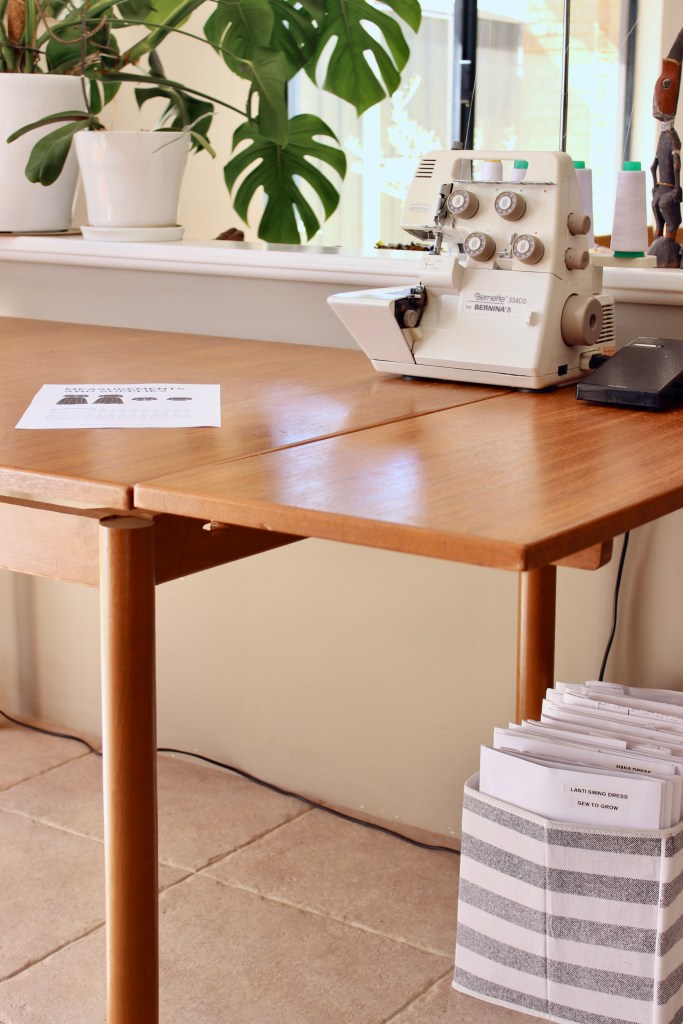
Ok, this is technically not a tip! It’s not a requirement at all for sewing with knit fabric but it does make it easy if you have one. In fact, some people sew almost the entire project on their overlockers. I bought mine second hand off Facebook marketplace. It’s a very old and heavy Bernina which has not missed a beat. 

Brattle Top

The Brattle top is a great beginner’s pattern. Luckily, I had no problems sewing it. The construction is easy to follow, and it comes together quickly. I’ve made the short sleeve version, but the sleeves are also interchangeable with the Carlyle Tee. I might try a three-quarter sleeve version for the cooler months. I’ve sewn the size 10 for my measurements of 35-inch high bust, 37-inch full bust and 33-inch waist. I find this to be a great fit and did not make any adjustments.

I’m glad that I’ve been challenged to sew with knit fabric. It’s such a comfortable and versatile fabric to wear and style. I’ll be trying a few more patterns for knit fabric in the future. 

Thanks for reading and happy sewing!

X Em

*Cashmerette Club membership has been kindly gifted to me as part of a collaboration with Cashmerette.

Mave Skirt

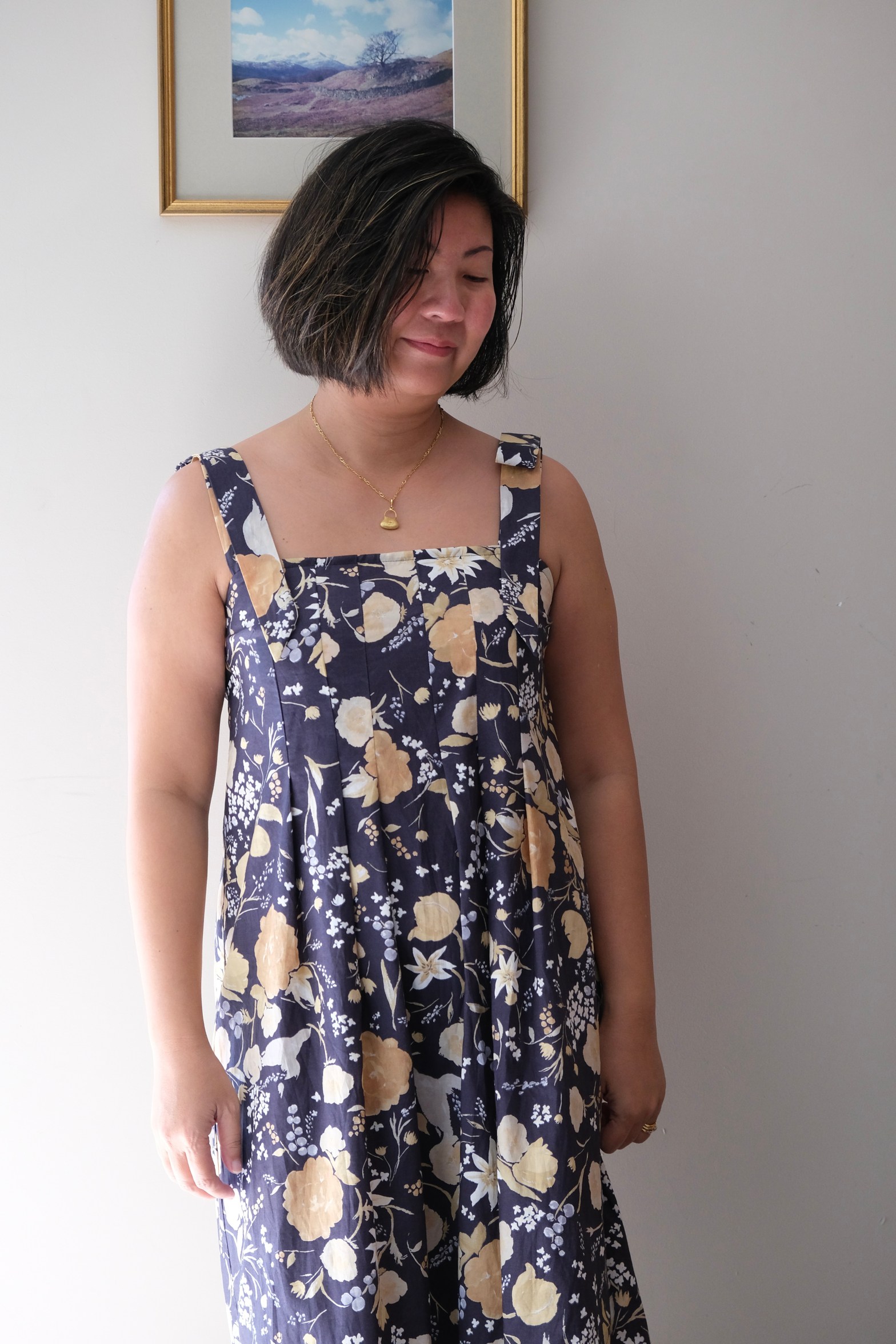
Sewing the Mave Skirt from True Bias is on my 2023 Make Nine Plans. I’ve never been able to sew everything on my Make Nine list but I’m quite hopeful on achieving it this year as I check another make off my list! The Mave Skirt is an elastic waist skirt with lots of options. I’ve sewn the maxi, three-tiered ruffle version. 

With the seasons changing, the maxi skirt is such an easy item to wear when the weather is still so unpredictably hot or cool. I find it to be a good piece in the wardrobe for the autumn or spring months. I used to avoid maxi skirts because I felt it made me look too frumpy, but I think there is a general rule for avoiding that and that is the rule of thirds. Because the skirt is so long, it’s a good idea to wear it with a top that is shorter like a crop top or something that can be tucked in. I feel that this has made it work for my proportions.

The Mave Skirt Pattern is made for woven fabrics. I’ve made a fuller version using broderie anglaise fabric which I fully lined. The instructions for adding the lining are also included in the pattern. This pattern can be sewn in no less that eight versions! Basically, once you have this pattern, there is no need to buy any other elastic skirt pattern. 

I made the size 12 for my measurements of 33-inch waist and 41-inch hips (seated). There is obviously a lot of ease in the fit of the hips, so I mainly used my waist measurements to pick the right size. The construction was easy and very beginner friendly. Sometimes sewing something simple is exactly what you need for a relaxing sew. True Bias patterns always come with comprehensive instruction and illustrations. You never have to puzzle over the instructions.

I should mention that the elasticised waistband was a bit challenging for me. Not the fault of the pattern but my own skill levels. The waistband had to be stitched at regular intervals in four lines to even out the gathers and flatten the waistband. I had traced the lines for these elongated stitches, but I wish I had just used my machines seam guides. I think I would have achieved much straighter lines. It’s probably not anything anyone would notice unless I bother to tell them and it’s a detail I’ll soon forget as I enjoy wearing my lovely maxi skirt.

Thanks for reading and happy sewing!

X Em

Marselis Top

The Marselis Top and Dress is a new pattern from The Uncut Project.  I was lucky enough to be selected to test this beautiful pattern. The Marselis can be sewn as a top or a dress. The designers, Anna and Isabel, are from Copenhagen and their design reflects the Scandinavian aesthetic of simple lines with a modern twist. This pattern has a lot of inclusions. The flowy top or dress can be sewn sleeveless, short sleeved or long sleeved. I chose to make the sleeveless top version and I had in mind something that was appropriate for a summer night out.

Sizing ranges from 32 to 74 (European), I was between the 40 and 42 with my bust size of 37 inches so I went with the 40 as the pattern includes a lot of ease in the waist and hips. The top ended at about hip level for me. I thought the sizing was spot on! 

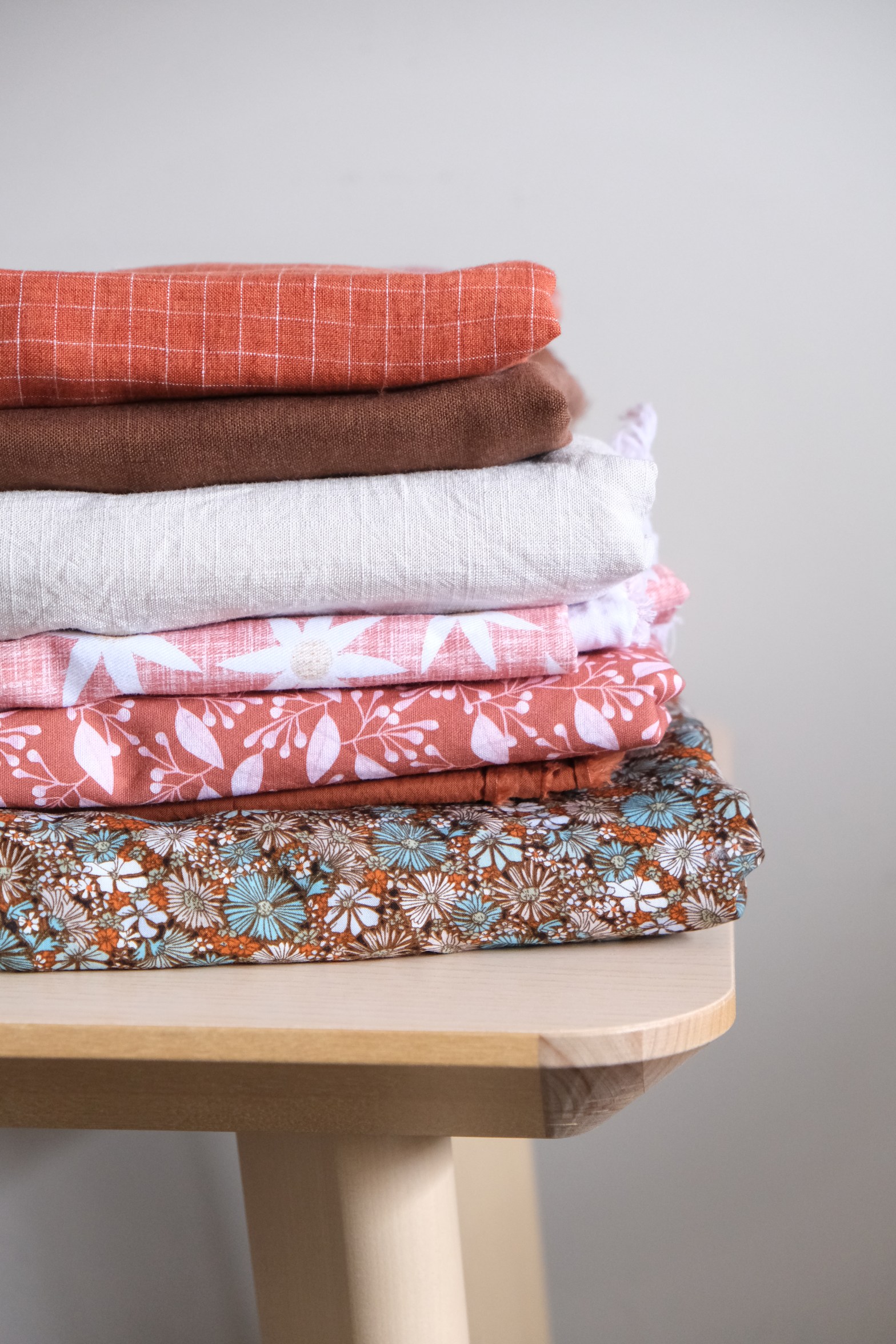
This pattern is made for lightweight to medium woven fabrics. At the beginning of my sewing journey, I madly bought fabric that I thought were pretty but had no idea how or what to sew with. Every time I passed the fabric store, I would go rifling through the bargain bin. It was a thrill at first until I realised, I was guiltily amassing a rather large stack of fabric that I was now responsible for. Time to put a stop to it. I now check my stash before heading to the fabric store. This chiffon felt like the perfect match for the Marselis Top because it’s soft and sheer which would show off the gathers in the pattern.

At this point, I should confess that I have never sewn with Chiffon fabric before. I’ll just share some of what I’ve learnt about Chiffon here in case anyone is wanting to recreate this. Chiffon frays like crazy. When I tried to overlocker it, there was a moment of panic as it started to disintegrate. Luckily, I was testing this on a piece of scrap. So, French seams were the best option for finishing my seams. Another thing I noted about Chiffon is that it gets easily caught in the teeth of the machine. I had to make sure I was leaving a bit of gap at the start of the sew. I could still backstitch but I have read some advice that it’s better to tie off the ends of your stitching by hand.

Putting together the pattern pieces was easy and the instructions were great. It was a bit tricky with my bias binding because I had bought the slightly smaller one inch rather than the one and a half inch that was recommended. It still worked well, and I loved how the ties were formed so neatly out of the bias binding that finished the top of the blouse. I especially love the back of the top where the ties pass through a loop and ties together. 

I remember finishing the pattern test in the same afternoon. It was one of those patterns that are so interesting, you can’t put it down. I really wanted to get to the end to see what it would look like. Needless to say, I’m in love with my new blouse and I ended up wearing it out that night for our Chinese New Year dinner and to see the lion dancers! 

Thanks for reading and happy sewing!

X Em
Elmwood Skirt

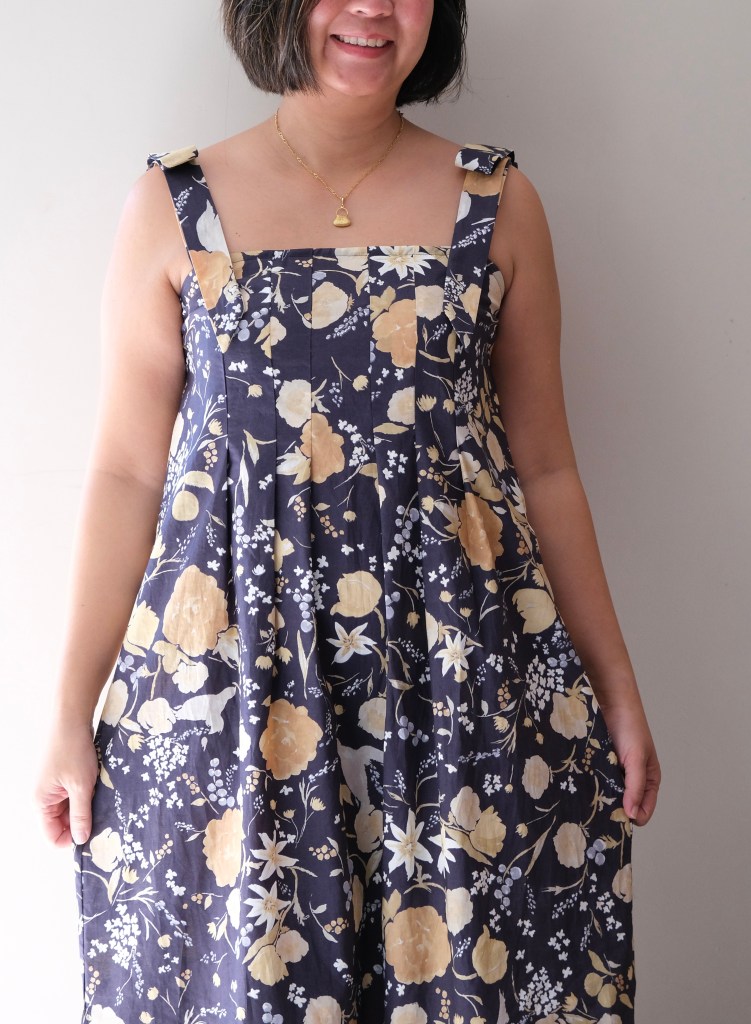
The Elmwood is the Pattern of the Month for Cashmerette Club*. I’ve always loved the classic look of the 1950s. The pencil skirt was such a staple in that era with the narrow, hip hugging silhouette with the hem just skimming the bottom of the knees. This version also has chic pockets which stay flat when sitting. 

I was lucky enough to receive a preview of this pattern as part of a collaboration with Cashmerette Patterns. I always start by making a toile of the pattern. This skirt is fully lined so it was easy to make a toile with lining fabric. Looking at the fitting chart, my waist measurement of 33 inches sits between the size 12 and size 14. My hip measurement of 38 inches sits more towards the size 10. So, I put my measurements into the Cashmerette size calculator which advised me that I could sew a size 12 waist and grade to a size 10 hip. My first toile with the graded hip felt too snug for me which I soon resolved when I re-read the instructions.

When I re-read the instructions, it tells you to measure your hip and waist in sitting. I’ve never considered this before, but I have been using some of the wonderful resources available to Cashmerette Club members regarding fitting. It seemed like a good idea as the skirt is so fitted and there isn’t much ease. I’m glad I remade these measurements in sitting because my hips were now at 40 inches. I found that sewing the straight size 12 was the best fit. So, in the future where there is only a small amount of ease in the fabric, I will continue to use this tip of measuring when sitting as well as the usual standing measurements.

The Elmwood skirt is for woven fabrics. I’ve used a wool/linen blend from Potter and Co. It’s beautifully soft in a grey/brown tone. It feels quite luxurious to wear as it’s fully lined. There’s the usual split in the back of the pencil skirt which makes it easy to move in. I’ve needed something a bit dressier for meetings and this skirt really fills a gap. I’m thinking of making a denim version for casual wear.

The instructions and illustrations are very comprehensive in Cashmerette Patterns. I found it easy to follow. One of the skills I’ve gained in sewing this pattern is learning how to do blind hems on my machine. I have hand sewn blind hems before especially with my kids’ school uniforms. Sewing the blind hem by machine works out easier and is a lot more even than my hand sewing!

Thanks for reading and happy sewing!

X Em

*Full Disclaimer: This pattern was sent to me for collaboration with Cashmerette. All opinions expressed are my own.

Carlyle T Shirt

Lately, I’ve been looking to sew more basic core items. I stopped shopping ready-to-wear when I took up sewing. It wasn’t a sudden stop but a natural progression as my sewing skills expanded. This year, part of my sewing plan has been to record my daily outfits in #memadeeveryday. I’m trying to account for what I sew and correlate it with what I wear. I’ve found that I have sewn more items for going out in but not many daily wear items.

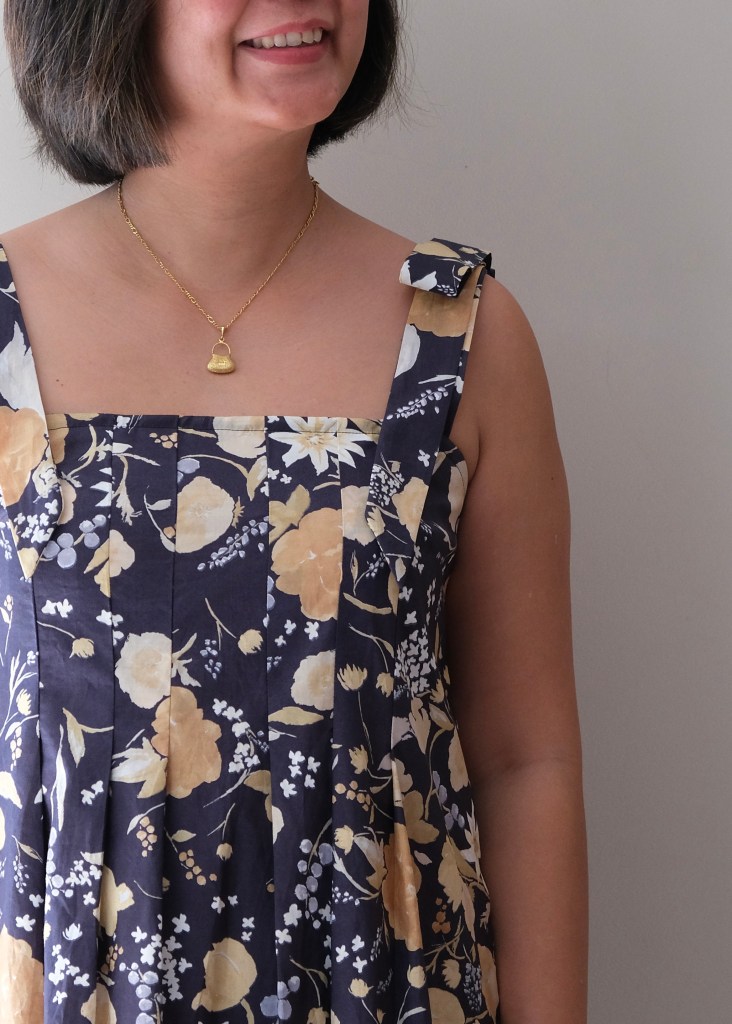
The Carlyle T-Shirt from Cashmerette really caught my eye because tees are an essential core item, but the Carlyle tee is an “elevated” basic. It has the square neckline which I like and puffy sleeves. The pattern can also be sewn with straight sleeves, but I really love the puffy sleeved look which is such a trend at the moment. I’ve made the classic body length but there is also a cropped version. This pattern is from the Cashmerette Club* catalogue which is a subscription-based service. 

Cashmerette has very detailed information for sizing which is great as sizing can vary so much with pattern companies. I’m always cautious when I first make an item with a new pattern company. I find that Cashmerette sizing is quite equivalent to my ready-to-wear items. I’ve sewn the Size 10 with Cup C/D without alterations. Knitted fabric does have more flexibility with sizing because of the stretch in the fabric so I will still make a toile if I sew a woven item from them. For this shirt, I haven’t toiled which is a bit risky, but it did save me time and fabric!

I’m a really big fan of a square neckline. This one is finished with a neck band which is so neat, but I had to sew very carefully to match the mitred seams to the corners of the neckline. Luckily, I managed it on the first attempt otherwise the seam ripper would have made a dreaded appearance.

Puffy sleeves were never a feature in my wardrobe before but since taking up sewing they have a definite presence in my closet now. It puts a bit of a feminine twist to the basic tee. It was an option to sew this with long sleeves but it’s quite warm where I live so I prefer three quarter sleeves. I do love the look of the straight sleeves as well so perhaps that will be a future option. 

Knit fabrics have been something I’ve avoided sewing with. I’m not sure what the barrier has been. It might have been the multiple needles that I’ve broken whenever I’ve sewn knit fabrics. Happily, I didn’t break any needles sewing this tee. The pattern has very clear and specific instructions which made the construction go very smoothly. I’m finally over my fear of knit fabrics.

Thanks for reading and happy sewing!

X Em
*Full Disclosure: Cashmerette Club Subscription has been gifted to me as part of an upcoming collaboration with Cahmerette however, I have no obligation to post or blog what I make. All opinions are my own.

Normalising remakes

Recently, I did a bit of a review of my makes. I was partially prompted by the urge to spring clean and then I saw the “REFEBULOUS” prompt and took it as a sign! The #refebulous sewing challenge is hosted by @madebyliesl which encourages everyone to review anything that hasn’t worked in the past and to repurpose the fabric or see if the make can be improved so it could be worn.

I chose to remake a slip dress that I had sewn in 2020. The lovely rayon fabric was from my local Spotlight Store, and I haven’t seen it restocked since. It’s a beautiful soft fabric which is a favourite to wear in summer. I love the beautiful print of tropical palm leaves set on a white background. 

The slip dress was a bonus inclusion with the Leila Dress from Marsha Style. It can be worn under the Leila Dress, and it could also be sewn as a stand-alone dress. I hadn’t been sewing for very long when I made this, and I don’t remember making a toile for the dress. I think even with a toile, I wouldn’t have known how to alter the dress to my fit. 

Initially, I thought I would still sew a slip dress, but I don’t think the style really suits me anyway. The Hana Tank Dress from Patternscout Studios is something I have worn on repeat, and I was thrilled when there was enough fabric for it. I managed to use 90 percent of the fabric in my remake, and I’ve saved the muslin lining for future use.

It’s great to normalise repurposing or remaking garments that don’t fit or no longer serve a purpose. It’s been a great prompt to keep us mindful with our makes. I’ve also just finished with the “Threads” podcast by Veronica Milsom and was appalled by the statistics of fast fashion. Sewing has been an eye opener in many ways! I’ll be doing regular reassessments of my makes from now on.

Thanks for reading and happy sewing!

X Em

Valerie Raglan Dress

The start of 2023 has been great for my motivation to sew. One of my sewing goals this year was to really pick projects that help to develop my skills and to only sew items that I would wear repeatedly. Seems like an obvious goal but when I started sewing, a lot of garments were beyond my skills. I tried the big four patterns but often instructions were a bit illusive to a novice sewist like me. When Forget Me Not Patterns generously offered me a pattern for review, I was a bit worried about this, but the instructions and illustrations are one of the best I’ve ever sewn with.

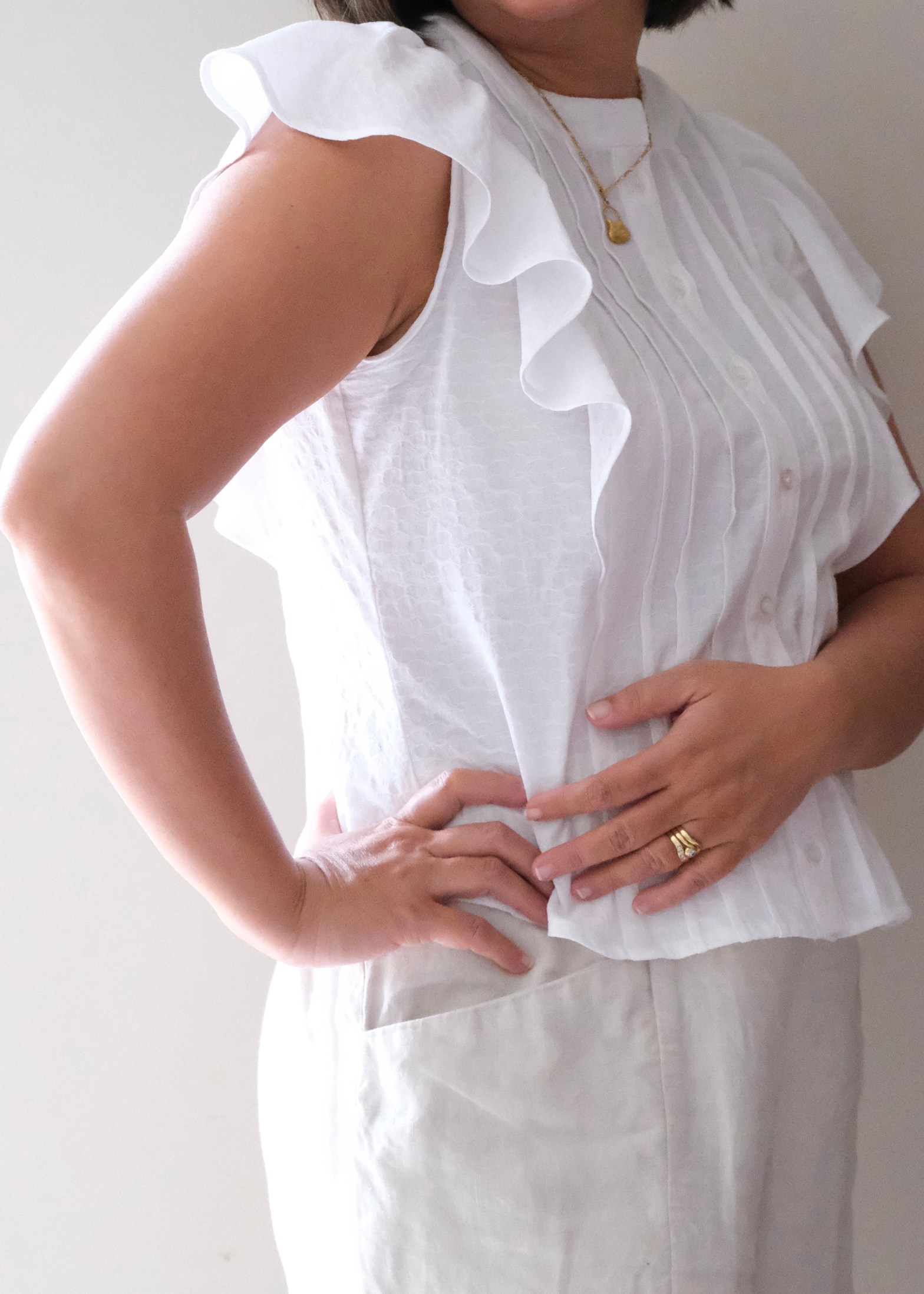
The Valerie Raglan Dress was the pattern that I chose to review. It’s a dress with a fitted bodice and A-line skirt. The sleeves are raglan sleeves but are tailored with a dart at the shoulder, so it doesn’t have the bulky look of other raglan sleeved dresses or tops. There are so many sleeve options included with the pattern. I chose to sew the short sleeve with a flounce, there is also a long sleeve option with a cuff which I’m planning to sew for winter and there’s also the ¾ sleeve and short sleeve version. Along with all these options are also cup size options which is great for obvious reasons!

Fitting the pattern was a breeze with the comprehensive and logical instructions. In fact, the second page of the patterns gives such good instructions on how to choose which size to sew up. I fitted in the medium bust range, so that is equivalent to a B cup to C cup and my dress sizing was between the 38 and 40 for my measurements of 37 inch high bust, 33 inch waist and 38 inch hips. The pattern alteration tips were fantastic because I toiled bodice graded the size 38 bust to a 40 waist and hip. The other impressive thing about the pattern were the little notes that helped me to pause in my sewing so that I would go and check the fit physically. It’s such a good practise to develop as I didn’t have any sad surprises at the end of my sew.

Sometimes the mention of an invisible zipper sends a sewist screaming into the bush, but I had no problems installing it. I just followed the instructions step by step and before I knew it, I had installed it perfectly! It’s not a technique I’m familiar with but the result was the easiest invisible zipper I’ve ever installed, and this is even without an invisible zipper foot! It’s great to learn more professional techniques in a pattern. This was evident again with the facing attachment. This was attached using the stepped-back method. I watched the video and had a few attempts but unfortunately, I was unsuccessful, so I attached it my way. The great thing is, next time I come back to the pattern, I will try it again and I have the resources to help me.

The fabric I’ve sewn with is a rayon which has beautiful drape and is so good for summer. I’ve sewn a lot with rayon because it’s what I reach for in this heatwave called summer. Sometimes, I’ve read comments about the difficulty of sewing with rayon so I put together a little Instagram reels to share some of the tips that were generously shared with me.

Thanks for reading and happy sewing!

X Em

*Full Disclosure: Pattern was gifted for a review but all opinions expressed were my own.

Niya Dress

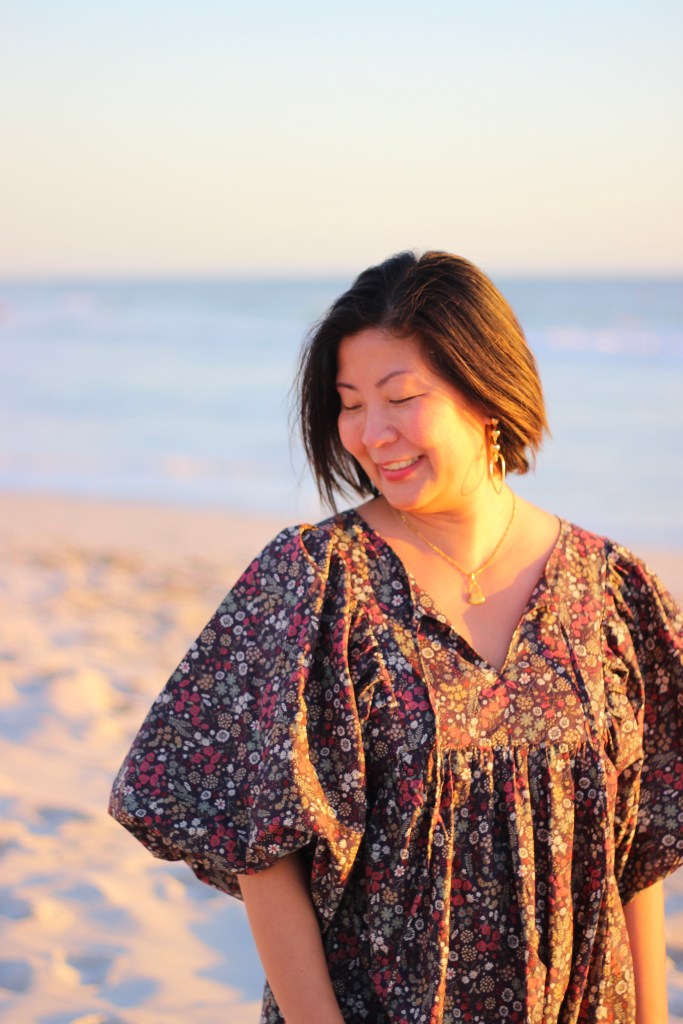
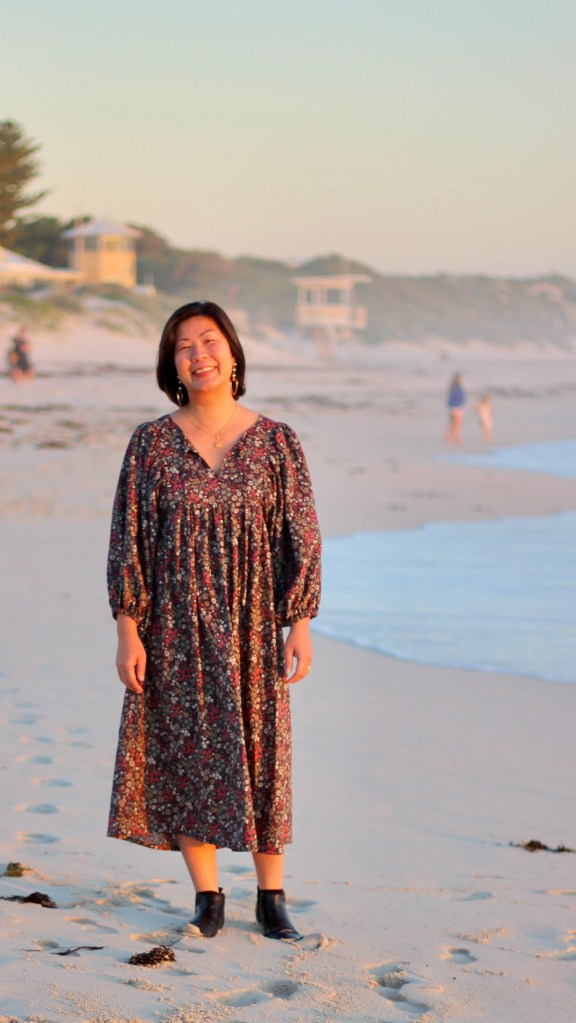
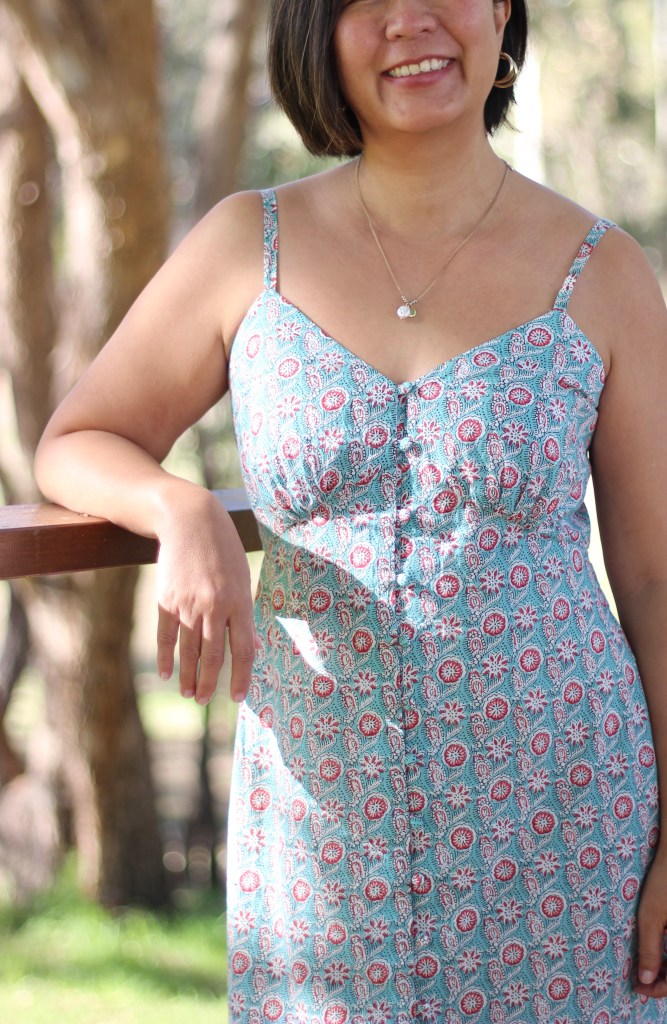
Sewing the Niya Dress was a great adventure! It was a happy discovery when I won a PDF pattern from J. Desiree Studio Patterns by participating in the Sew Giving 22 Sewing challenge which was hosted by @yagabyrdsews. I chose the Niya dress because it had so many unique features and can also be sewn as a wide pants jumpsuit. 

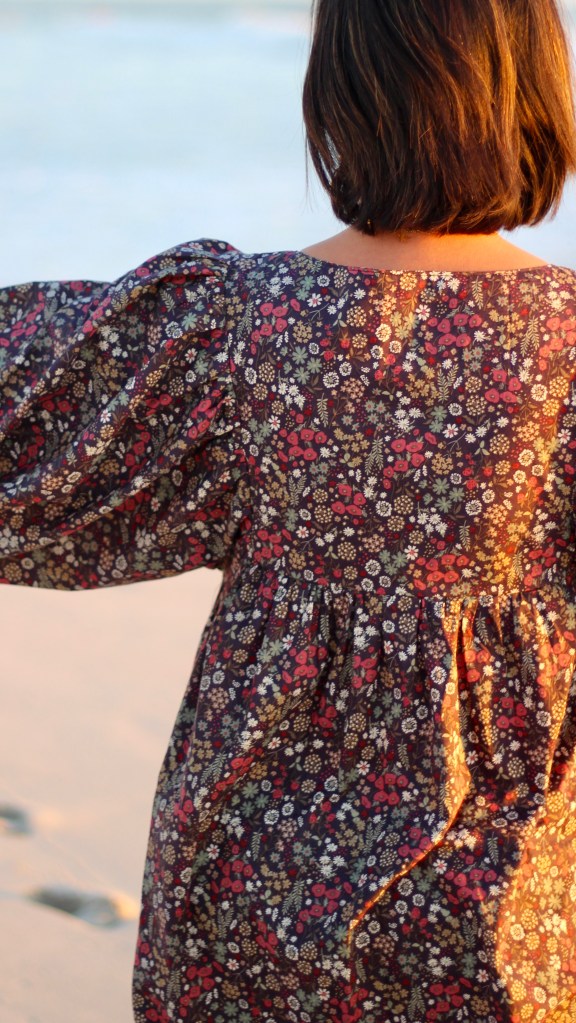
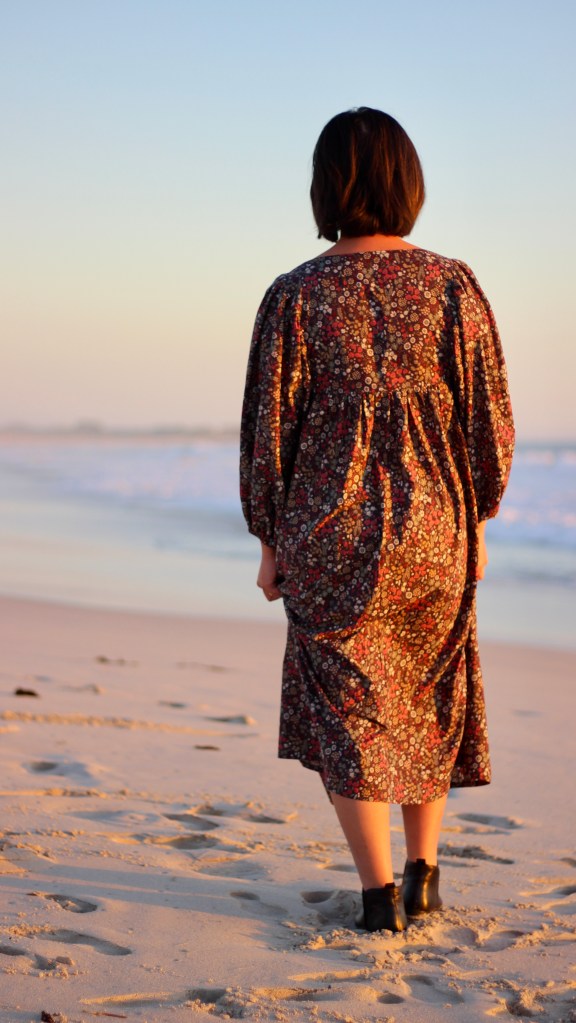
The bodice is quite loose initially and is attached to the skirt only by the front bodice. The back is open and there are two options. I chose to sew the half closed back but there is also a fuller opening as the other option. The skirt is gathered by elastic in the back and the front is initially sewn flat. While constructing the dress, I had a lot of doubts about if I was sewing it correctly, if the dress would suit me or whether I should construct it differently? I’m glad I stuck to the process and followed it until the end.

It really started to come together when I realised that the front bodice had a channel which I had accidentally sewed up. I used the seam ripper to reopen this to create a channel so that the ties could be fed through it. Both ties are then fed through the channel in the front skirt piece where the elastic for the side and back waistband are located. Once the ties are in, this creates tension in the front bodice which draws in the loose fabric in the front and prevents exposure from the side. The engineering was so interesting in this make as I couldn’t quite picture how it could come together without the traditional side seams. 

Looking at the other Niya Dresses by other sewists, I can see that everyone managed to thread their ties through the channels however, I had a lot of trouble. It might have been that the rayon crepe I used did get a bit bulky once sewn. Instead, I halved the width of the ties and made them quite narrow which I really liked the look of. The pattern has the option of making shoulder channels for more ties, but it was already gathered in the front shoulder bodice. I loved the look as it was without the ties, so I left them off my dress.

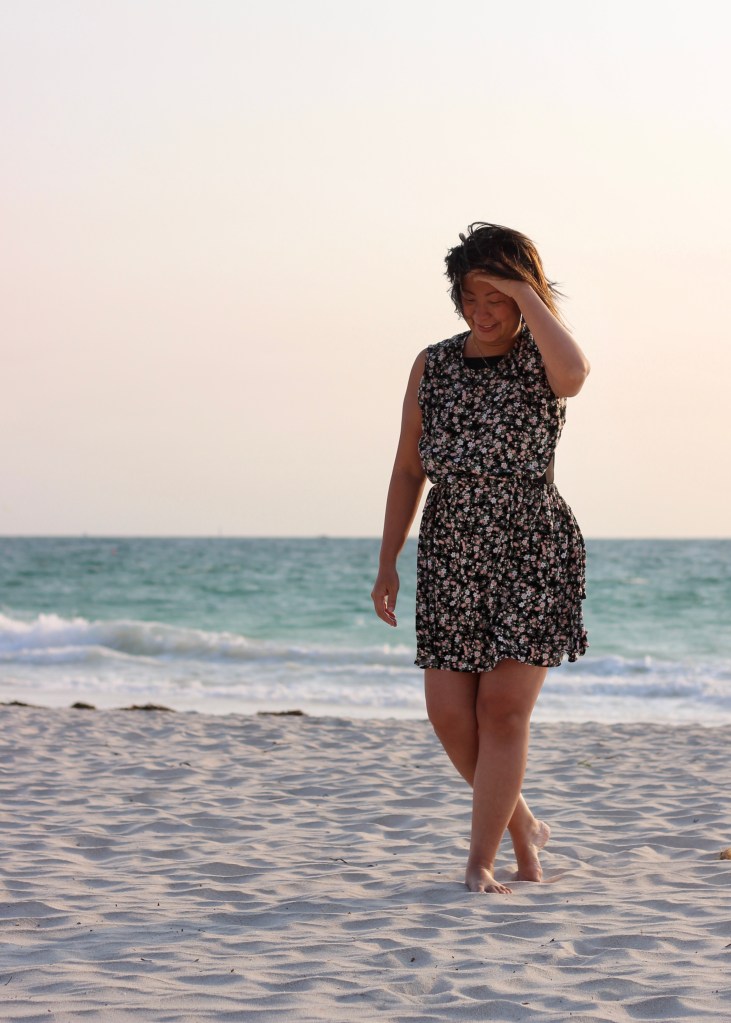
The sizing of the Niya Dress is very flexible. I made the medium with a mini skirt option. With the open back, it would look beautiful as a jumpsuit or a ball dress with maxi skirt. I needed a summery beach dress so the mini dress version was the perfect version for me.

Thanks for reading and happy sewing!

X Em

Hana Tank Top

I was looking to purchase a basic tank top pattern in the Black Friday sales last year when it occurred to me that I already had the perfect pattern with the Hana Tank Top! I had sewn up the dress version previously but remembered that Patternscout Patterns are always such good value for the options that they offer. Sure enough, after digging out the pattern, the Hana can be also sewn up as a v-neck tank top pattern. There are so many options as it can be a cropped length, tie waist or as I’ve chosen, a curved high-low hem.

The bonus of sewing a familiar pattern is that I’ve already invested time and effort in sticking the PDF pattern together and I’ve already worked out the sizing. Now, saying that, I sewed up the size 12 for my size of 37-inch bust and 33-inch waist which was a good fit but for some reason the armscye is slightly tight under my arms. When I sew this pattern again, I’ll be sure to correct this by widening at the underarm area. The only reason I can think of for this to have occurred is that I may have installed the bias binding a bit too tightly in the tank top as this was certainly not an issue when I made the dress version.
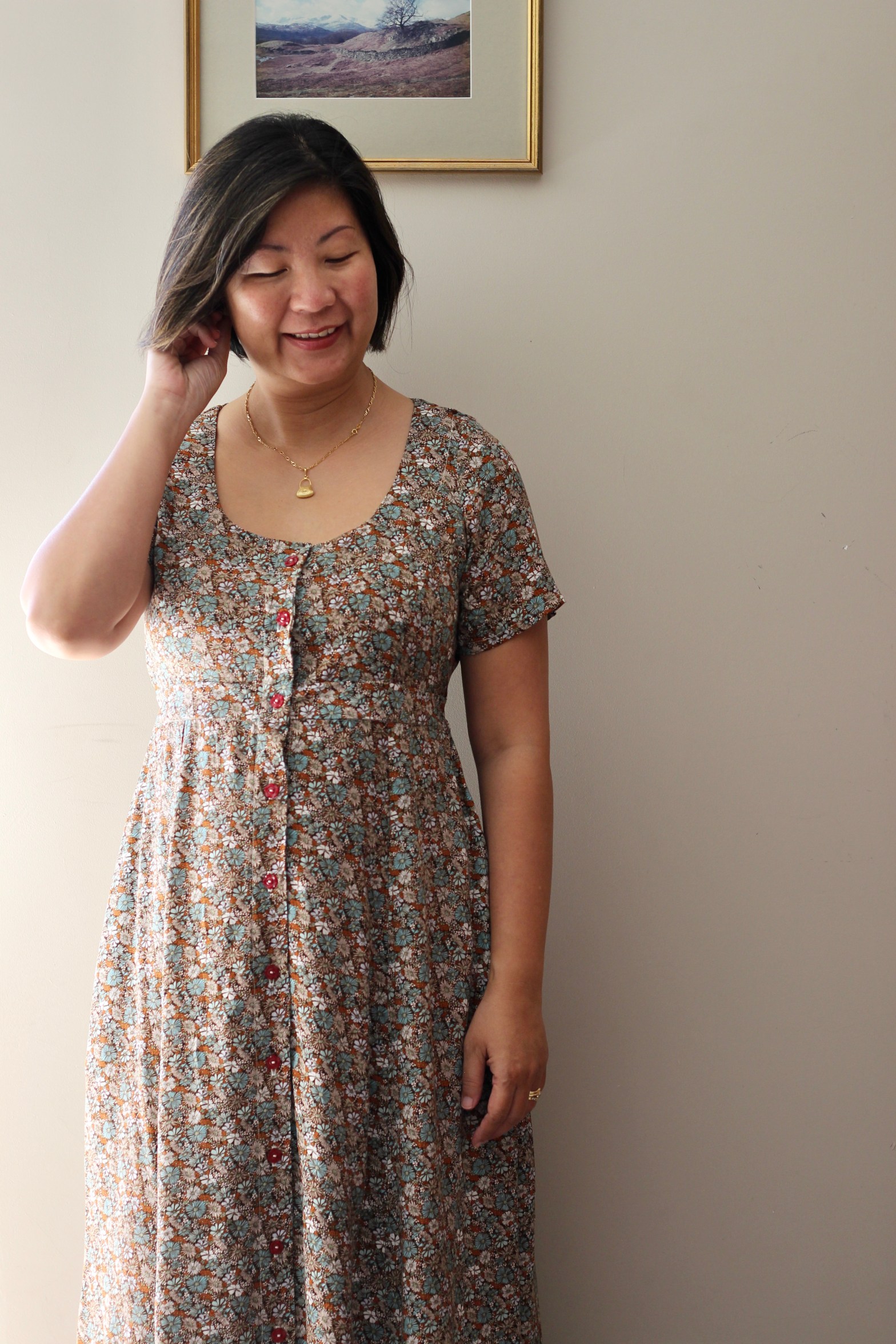
The fabric I used was leftover linen from the Megan Nielsen Pattern Shop when there was still a physical shop to visit. Unfortunately, it has since closed which is a pity since there aren’t a wide variety of fabric and haberdashery shops around town. One of my sewing goals this year is to use up majority of my scrap fabric and leftover fabrics. I had about 1.5m of this lovely linen which was the perfect amount for the Hana tank top.

With each sew, I feel that I make a little progress either building the skill of sewing or working out a better way to construct a garment. In this sew, it was the curved hem that I made progress with. I’ve always felt that my curved hems were messy, and I didn’t like the way it would curl up with a folded finish. I could never iron the curves evenly or get close enough to the edge to make it even. Someone on Instagram shared how they made a facing to finish off their curved hem, so I decided to try it out and I’m pleased to say that this worked out perfectly! Definitely the way to go with a curved hem. Now it sits flat and even.

Thanks for reading and happy sewing!

X Em