Dawn Jeans (Wide Leg)

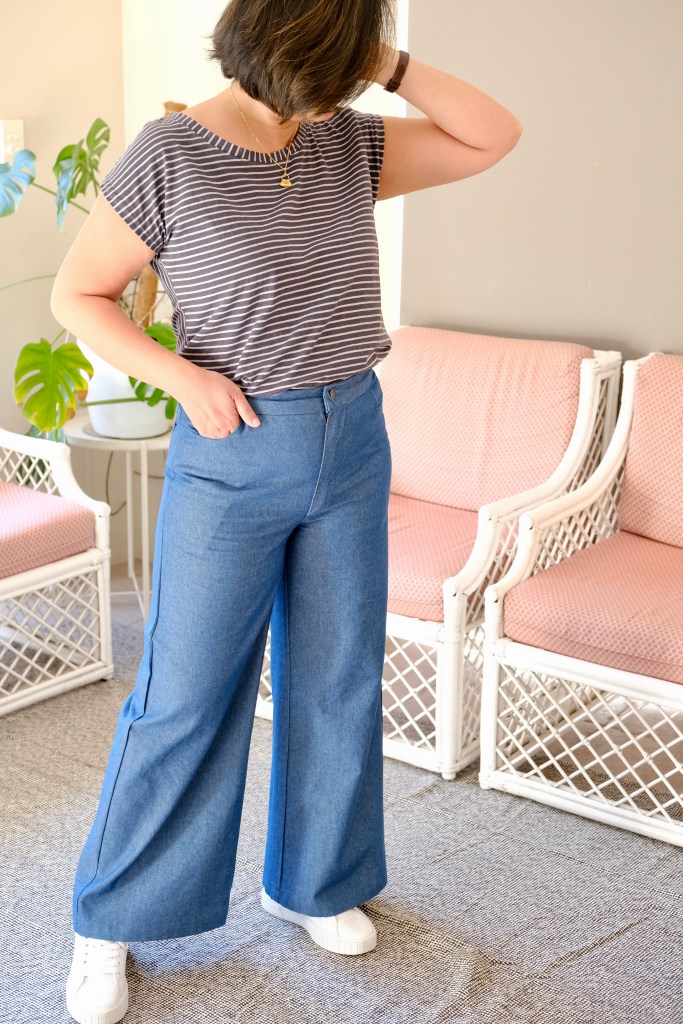
I made jeans! I’ve had this pattern now for about three years. Each year, I take the pattern out to put on my “Make Nine” list and then chicken out and the whole cycle starts again the following year. The barriers have been slightly varied each year including needing a better sewing machine, needing more skill, denim can be expensive, so I didn’t want to outlay the cost only to be disappointed. In the end, this has been the right year for me to attempt this pattern.

The Dawn Jeans comes in four variations, and I’ve chosen to sew the wide leg version. There is also the straight leg version which I will return to sew as well. I love that everything is customisable and there are lots of suggestions on how to do this. I started out thinking I would use a contrasting brown topstitch but after seeing on the zip-fly, I decided to use matching thread for a more modern sleek look. This was also because it’s my first iteration of the pattern and I was more interested in making sure the fit was right.

So, the pattern has a vintage inspired fit with minimal ease at the hips and is high waisted. I was worried about fit because I’ve never had a comfortable “ready to wear” pair of jeans. I find that I often don’t fit into high waisted fitted pants because of my belly. Measuring myself just at the waist and hips does not really give me a good guide to how my body would fit so I went to the Cashmerette site and used the measuring guide for the Creston Jeans. I haven’t made those jeans yet, but I love the guides on fitting that Cashmerette provide. I’ve put my measurements in the table below, but you can also check out the Cashmerette Blog for their guide. I used the elastic band method to get my measurements. 

Natural Waist33”
At Waistband36”
Crotch length27 ¾”
Rise12”
In seam28”
Hip40”
My Measurements

Using those measurements, I decided to grade the Dawn Jeans from a size 14 waist to size 12 at the hips and to use the regular full inseam. The sizing options cater for tall and crop inseam as well. I couldn’t decide if I should sew the shorts first as a toile, but impatience made me jump into the deep end.

The pattern is drafted for non-stretch denim, so I chose a rigid ring spun 6oz (200gsm) denim. It’s a lighter weight denim which still holds its shape but easier on the sewing machine. I’m ordering a 10oz (338gsm) vintage denim for my next attempt. 

Making jeans was not a weekend project for me. It took several weeks to work through all the details which made it thoroughly enjoyable. I love how the first thing you tackle in the pattern is the zip fly. I’ve only ever done this once before when I made the True Bias Dani Pants. It was a lot easier this time. I haven’t made a comparison of the methodology, but my zip extension sits very neatly, and I was so happy with the result. I think slowing down also helped. 
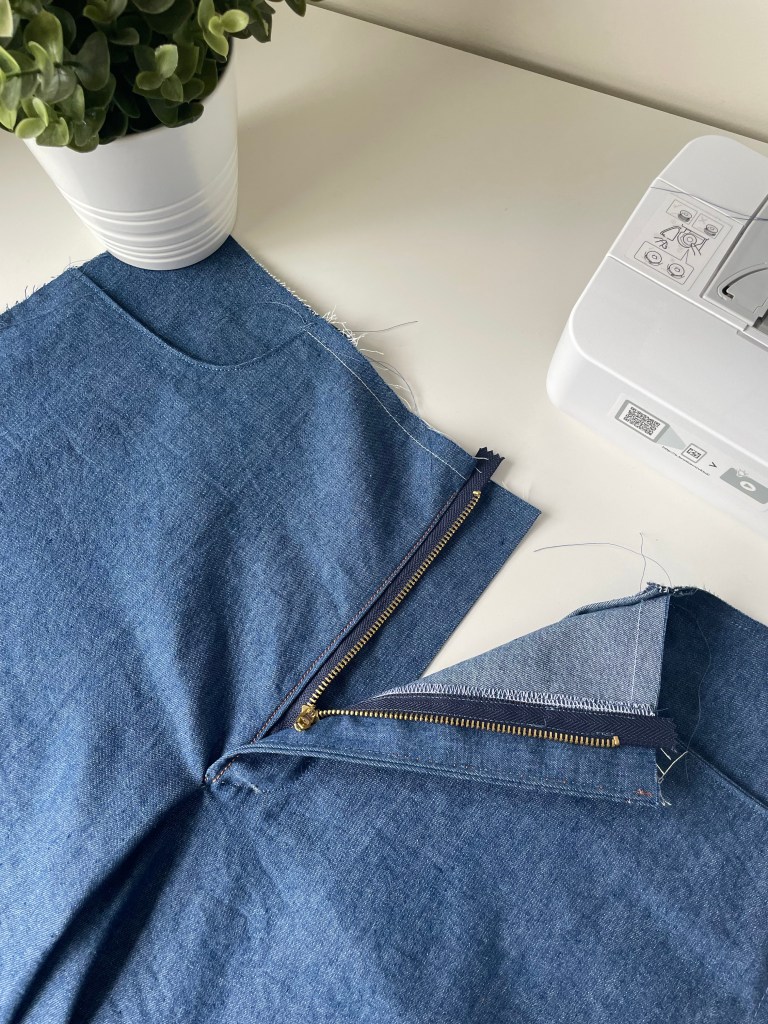
I did attempt to topstitch but the sound that my machine made stressed me out. I did learn that to have neat topstitching I needed a longer stitch length and a slight increase in tension. It would also be handy to use a second machine for the topstitching. This will be something I return to in the future. The instructions for the topstitching are incredibly detailed and it will give it a “classic jeans” look. Instructions throughout the pattern were very comprehensive with illustrations. I found the online photo tutorials were very helpful and referred to them often. Luckily, I had saved the initial email sent when I bought the pattern with all the links because I couldn’t find them by myself on the website. It’s because the Ash Jeans are used for the Dawn Jeans as well.

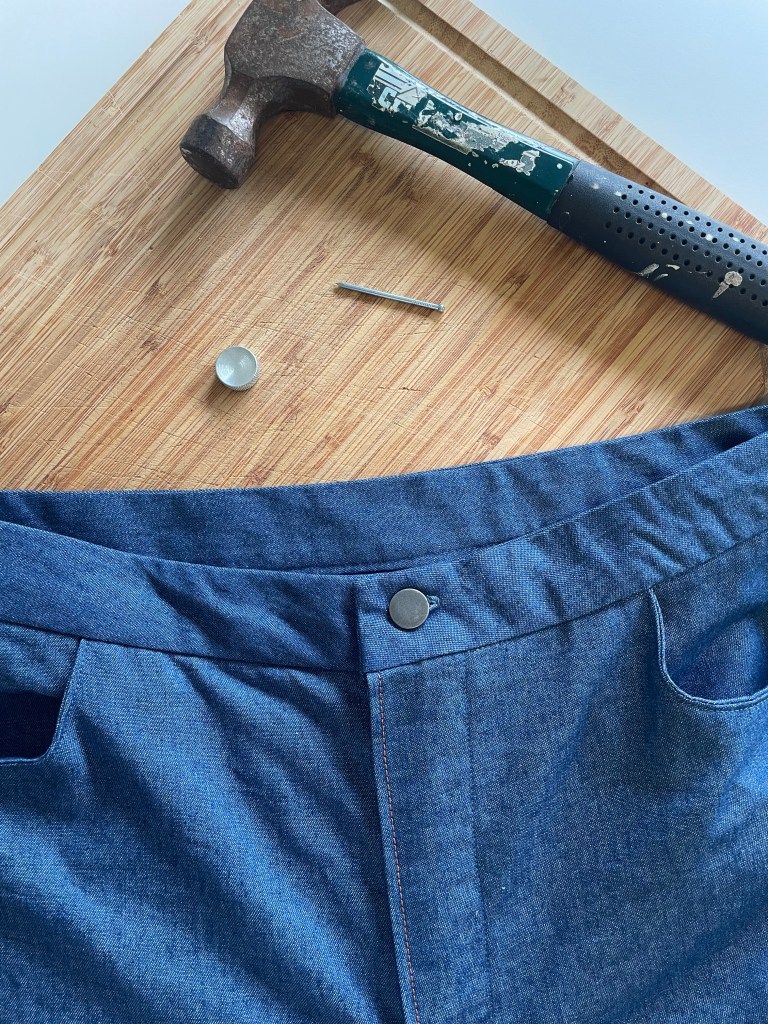
Attaching the shank jean button was not as difficult as I thought it would be. I bought the button kit a while ago when I bought the Dawn Jeans pattern. My pattern came with a few options and a separate instruction booklet for these options. There’s a button fly, exposed button fly, and zip fly options. My toolbox did not have an awl, so I used a nail which worked fine.
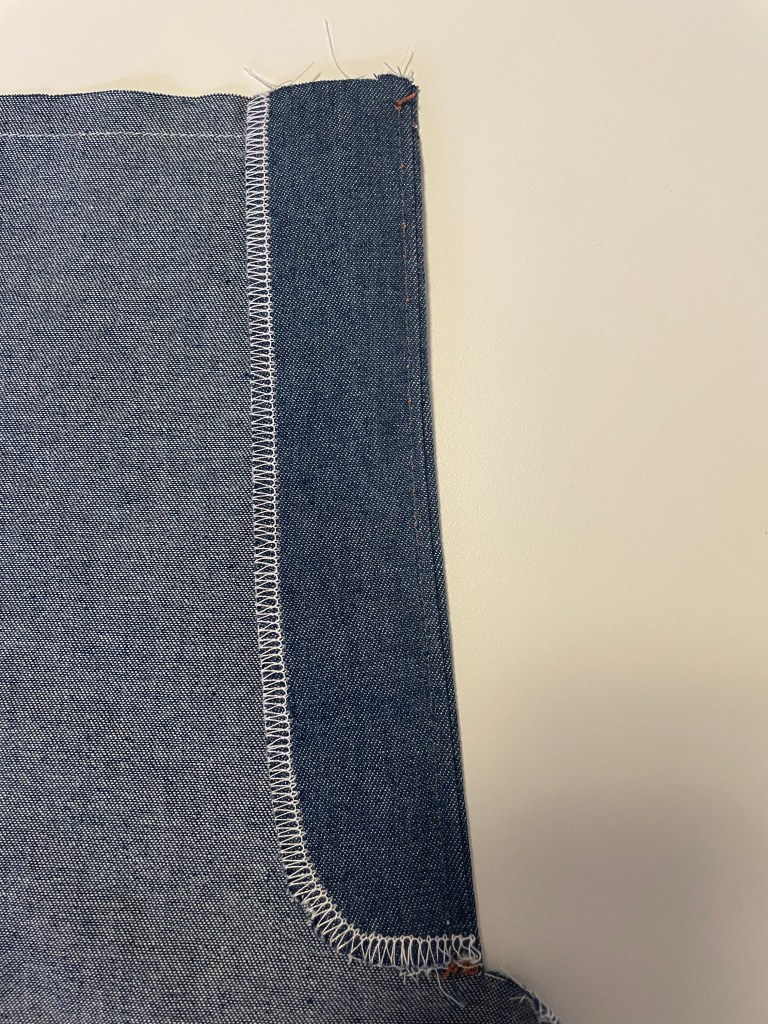
There are a few things I would like to improve the next time I make this pattern. There are instructions to clip into the curve of the front pant seam. I followed the instructions, but I regret this as I think this will weaken the seam and might disintegrate with laundering. I wish I had left it unclipped. Would anyone know why this was instructed? I’m going to try the contrast stitching but using two spools or maybe I’ll be brave and use the topstitching thread on my spare machine. Oh! Also, I put the coin pocket on the wrong way so now it’s a secret pocket. It faces inwards instead of out. I was so sure that the instruction says to put the pocket facing and pocket bag wrong sides together, but it was too late to correct it by the time I realised. I’m not too upset, I think it’s handy to have a secret pocket.

I’m not going to wait so long to make this again. I’ve really enjoyed the challenge and the details of this pattern. Hopefully this will give you a push if you’ve been wanting to try sewing jeans.

Thanks for reading and happy sewing!

X Em
Flint Pants

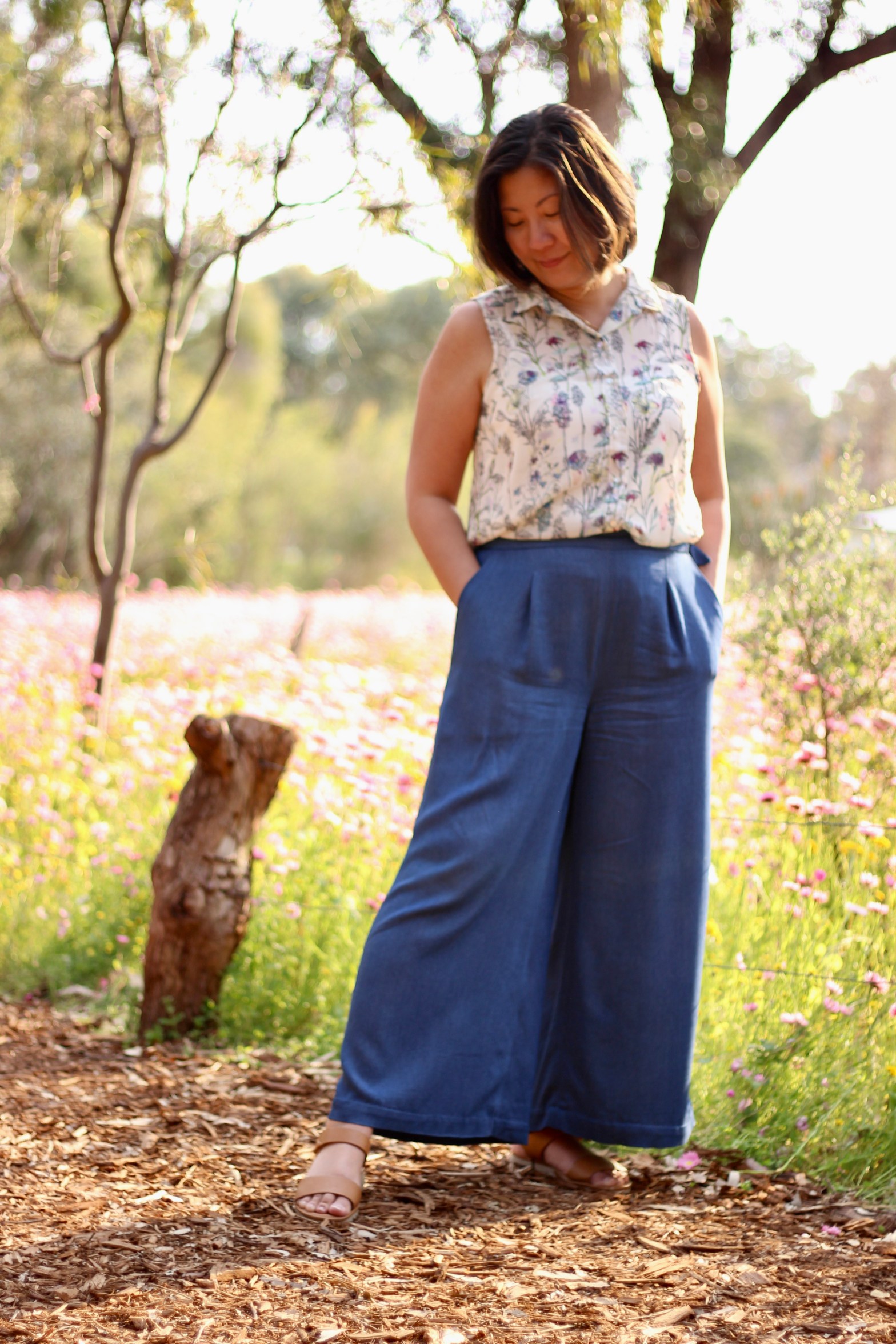
A couple of Christmases ago, my lovely sister-in-law gave me a voucher for Tessuti Fabrics. I had just ventured into sewing and didn’t dare sew with “good fabric” yet. I was so excited to be able to choose this beautiful chambray fabric. I bought two metres and then lost the nerve to cut into it! So now with a bit more sewing experience under my belt, I knew it would be a good match for the Flint Pants pattern from Megan Nielsen Patterns. The flint pants are a wide leg cropped pants. This wide leg cropped pants with the hidden pocket opening can be called a classic in the sewing community. I decided to make View B of the pattern which has the cute tie closure on one side.

The chambray is buttery soft and has beautiful drape. I prepared it by putting it through the cold cycle in the washing machine and then air-drying it. I then ironed it once dry. Chambray might look like denim but it’s a plain weave cotton unlike the twill weave of denim so it’s great for floaty breezy relaxed items and a lot easier to wear in hot weather. I used a universal sewing needle and matching thread. The pattern called for 2.5 metres of fabric but I could comfortably cut the pattern pieces from the 2 metres of 150cm width of chambray that I had. 

My sizing for Megan Nielsen patterns sits between a size 12 and a size 14. My measurements are 33-inch waist and 39-inch hips. I decided to use the size 14 waist and graded to a size 12 in the hips. I could have also just sewn the size 14 straight, but I wanted the nice taper from the waist to hip before it flares out to the legs. I also shortened the rise by 5/8 inch. I’m finding it easier to adjust the fit with more experience which is making sewing my me-made wardrobe so rewarding. Another small change I made was to sew the button to the inside of the waistband. I wanted to put two buttonholes to the inside to make the fit more flexible. I’m sure I’m not unique in my weight fluctuating between sizes.

As usual, the instructions for the construction were easy to follow. I have always recommended Megan Nielsen Patterns to anyone starting out. I sometimes joke that Megan Nielsen taught me how to sew. It was one of those patterns that I couldn’t put down once I started sewing so I completed the pattern between binge watching The Crown on Netflix in one day. 

A sign of a good pattern is one that you want to sew again straight after you’ve finished! Also, I wore it out straight away to the Spring Festival at King’s Park. We’ve been having some glorious weather and the wildflowers are in full bloom.

Thanks for reading and happy sewing!

X Em

Opal Pants

When I was looking for a relaxed fit pair of trousers for an upcoming getaway, I had initially dismissed the Opal Pants because I thought the tapered trousers would be a tighter fit and also, I didn’t want to sew something with a paper-bag waistband which is often styled with a shirt tucked in. I wanted something loose with no tucking in required. Basically, I was searching for the ultimate secret pyjamas! 

I started to do some research and was close to getting the Sew House Seven Free-range Slacks, but Megan Nielsen Patterns had a mid-year sale which made me have a closer look at the Opal Pants. I then realised that the paper-bag waistband was interchangeable with a normal elasticised waistband. The other reason I bought the pattern was that I thought I would get more out of the pattern in the future as it has more options than the Free-range Slacks.

My size at the moment is 33 waist and 40 hips. According to the sizing chart, I’m towards the 14 in the waist and size 12 with the hips. I chose to sew the size 14. As mentioned before, I was looking for a relaxed fit. I didn’t toile this make which can be a disaster, but I have sewn a lot of Megan Nielsen Patterns and I know my sizing sits well in the size 12 and size 14. I’ll probably sew this in a size 12 in the future as it’s very roomy especially with the elasticated waistband. Luckily, I had opted to include the belt loops and the belt.

There are different pocket options included which is always good because it’s these little customised details that make it more unique. I chose the in-seam pockets for this make. It would be interesting to have a look at hacking some cargo style pockets and to have back pockets too. I’m just lazy at ironing pockets so I went with the easiest ironing option!

In Seam Pockets

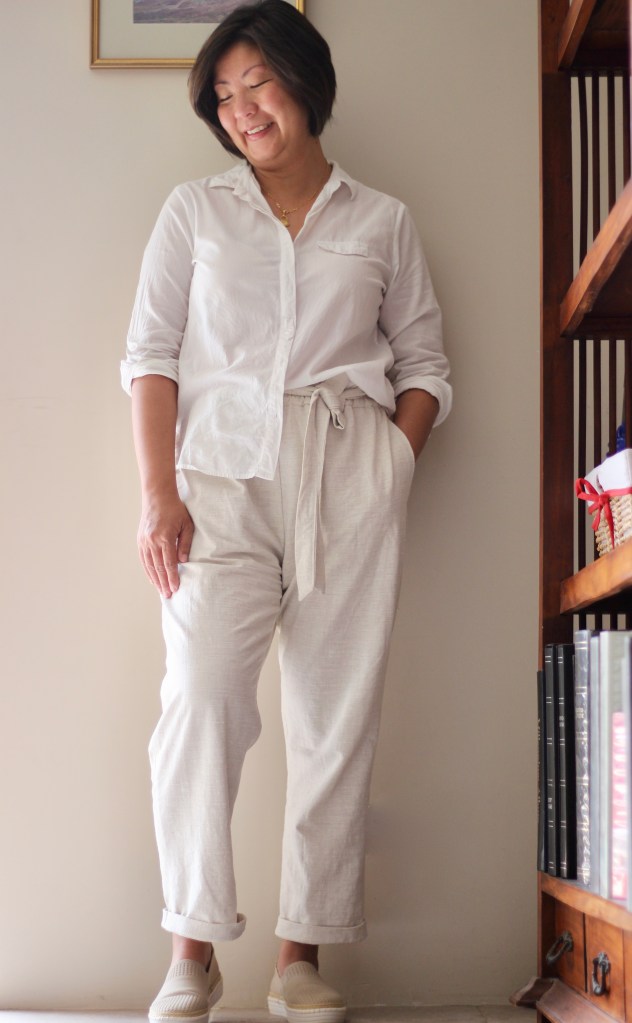
One little customisation that I added, which is not included in the pattern, was the cuffed trouser leg hem. I used the regular inseam measurements but shortened by 2 inches. I then made a pair of cuffs and sewed this on the right side, finishing with my overlocker. I then folded the cuff up and sewed the cuffs permanently in place by blind stitching on the inner and outer seams. I think it adds to that “relaxed” holiday look.

Cuffed Hem

My fabric is a heavyweight textured slub linen which is an oatmeal colour. Oatmeal is such a great neutral. I have a pair of wide leg Pietra Pants that I’ve made with the same colour and it goes with everything. It would also be nice to sew this with Tencel or Lyocell (same but different) or even a cotton. Just making mental notes for a future make. I think if I was making the paper-bag waisted option, I would try a lighter weight fabric.

There are only good things to say about the instructions. As usual, Megan Nielsen Patterns are logical and easy to follow. I also appreciate the extra tutorials which are emailed to you once you purchase the pattern. It’s great to have those sew-alongs with photos and it’s all set out by category which makes it less overwhelming when you’re tackling a new project. I’ll enjoy having this included in my holiday capsule wardrobe! 

Thanks for reading and happy sewing!

X Em

The Jarrah Sweater Again

I can’t believe how many times I’ve sewn the Jarrah Sweater from Megan Nielsen Patterns. I first came across this in 2020 when I wanted to try out my new (second-hand) overlocker and I found this. It’s a great beginner pattern especially with my limited experience with knit fabrics and overlocking. The first time I made the pattern, I used a Jacquard Knit Fabric. It was a quick sew and it’s a nice thick sweater, great for really cold days and quite oversized so it slips easily over t-shirts.

Last year, I made another version, but I experimented with a drapier, lighter weight jersey fabric and added a thicker ribbed waistband and a brushed cotton knit version. Both were worn on repeat, but I really loved the lighter weight sweater. It was easy to throw on as a top. Perth is quite Mediterranean in climate which means our winters are cold in the night and mornings but can get quite sunny and warmer in the daytime. It’s great to have a top that is versatile enough to cope.

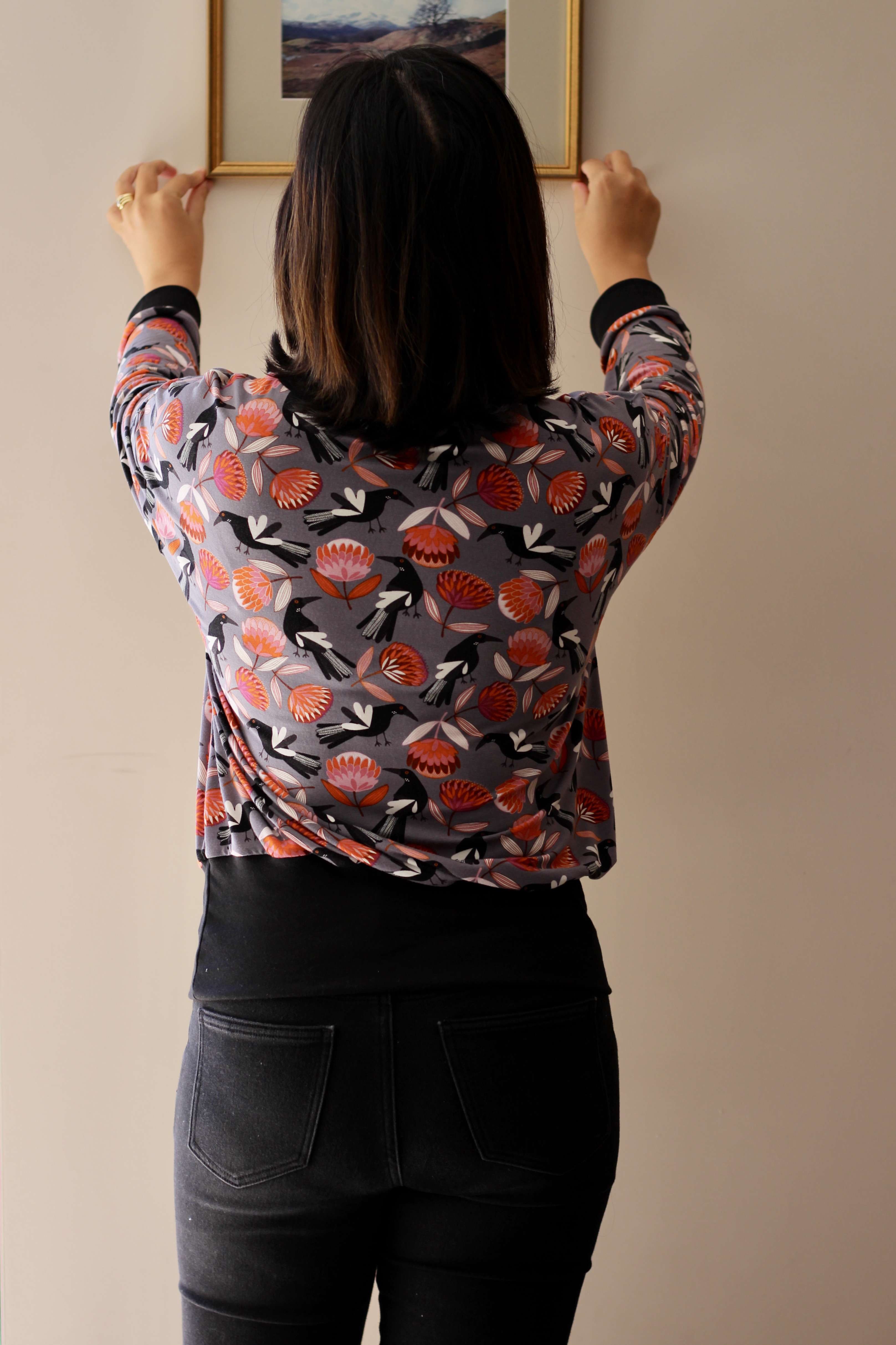
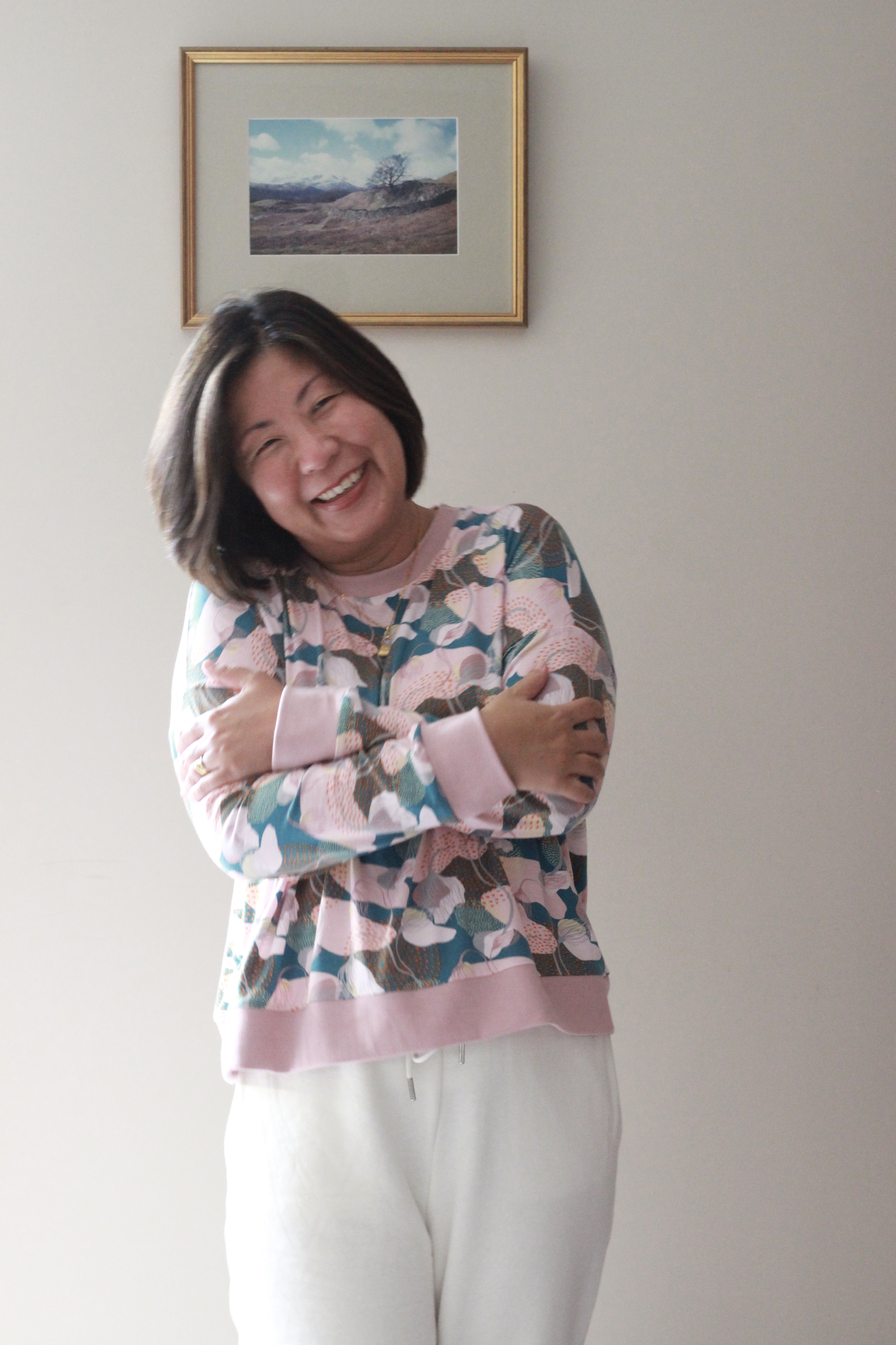
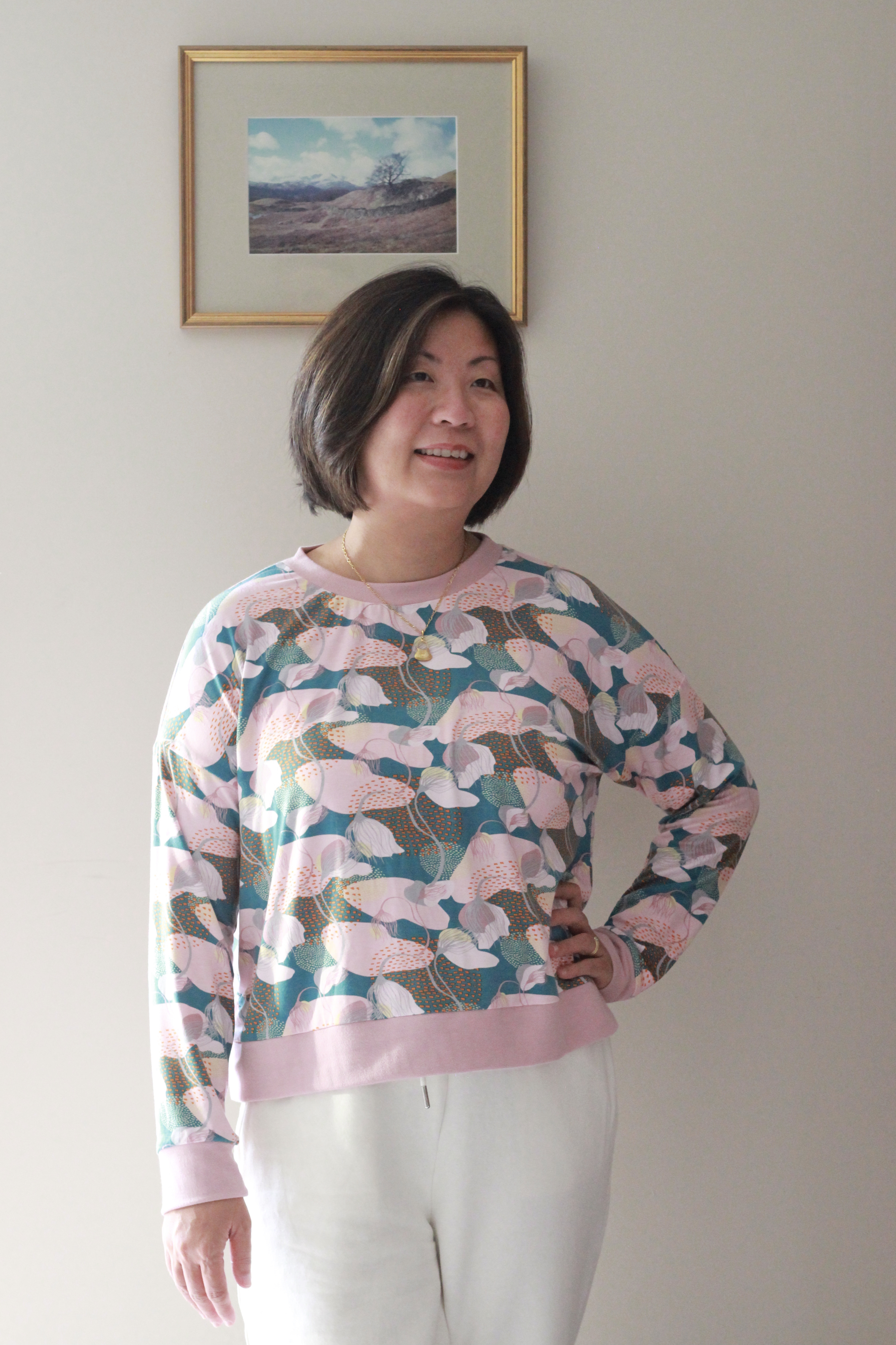
So, since I got so much wear out of my lovely magpie jarrah sweater, I decided to make another one from this beautiful Vanessa Holliday designed jersey fabric from Spotlight Stores. I was thrilled to also find this thin pink ribbing to match. I really love how soft and luxurious the fabric feels.

View A was used to make my top and this time, I did not widen the waistband. In fact, I didn’t make any alterations. I made the size 12 which was comfortable for my frame of 37-inch bust and 33-inch waist. There have been recommendations to size down if you’re unsure of the fit, but I personally love an oversized sweater. There’s been a real appreciation for loungewear since the pandemic. I think it comes from appreciating home and the comforts it provides us. We now love the time spent together, no longer needing to seek excitement and entertainment at every turn. Time together is enough.

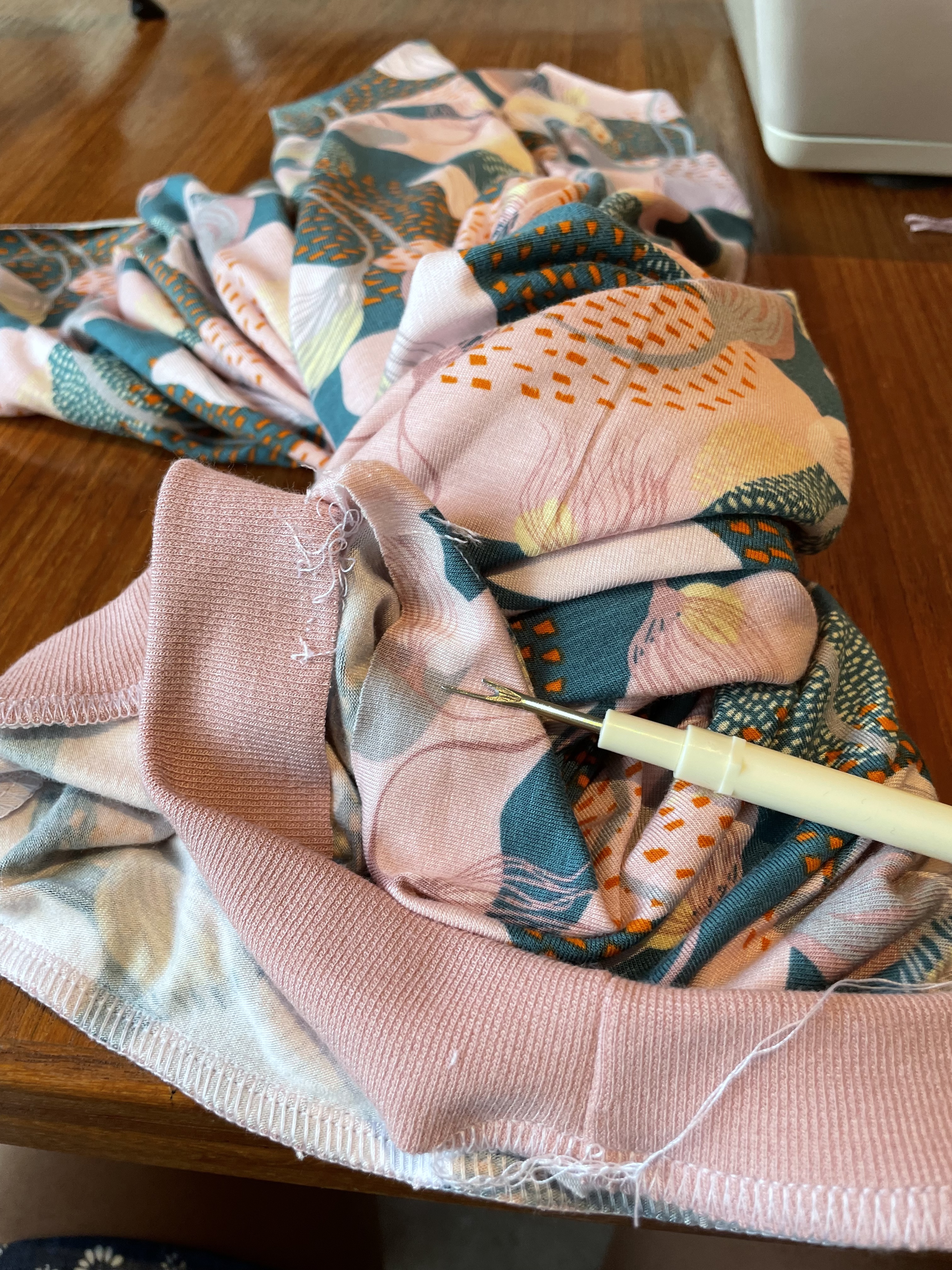
Sewing a pattern multiple times also allows me to reflect on technique and helps my progress in sewing. Sewing isn’t just a hobby about making the same thing over and over. There’s a skill set that must be practised and different techniques to master. I was reminded of this when attaching my collar! In my first attempt, I had not used the marking from the pattern (I was winging it!) and as I was attaching the collar, I could see that I had not stretched the ribbing enough at the beginning and was going to end up with some puckering from over stretching the second half, so I stopped and I unpicked all the overlocked stitching. Yes! It is possible but not something one wishes to do too often.

The better way to attach the collar is to mark the centre front, centre back, right shoulder and left shoulder in quarters once you have the short ends joined. It will then be easy to match this to the body of the garment. Also, I find it better to have my ribbing under the jersey fabric to make sure that I only stretch the ribbing and not the jersey fabric. 

Now that I’ve had my “warm-up” knitted fabric sewing, I’m keen to tackle a few patterns that have been on the back burner. I’ve been meaning to sew up the Pattern Scout Cozi Jacket and True Bias Marlo Sweater. Just need to track down the right fabric!

Thanks for reading and happy sewing!

X Em

Reef Camisole and Shorts

Christmas holidays arrived and here in the Southern Hemisphere, we found ourselves in sweltering summer heat. Needless to say, it was too hot to be at the sewing machine but I managed to sew up the Reef Camisole and Shorts Set from Megan Nielsen Patterns. It was my final sew for the year just in time for my favourite time of the year. I’ve always loved the time after Christmas and the start of the new year where there is a quietness and a temporary lull to give us a bit of respite before the whirring of busy-ness begins again. It was a good time to finish making the Reef Set so I could have my pyjama day.

Motivated to finish by coffee and panettone

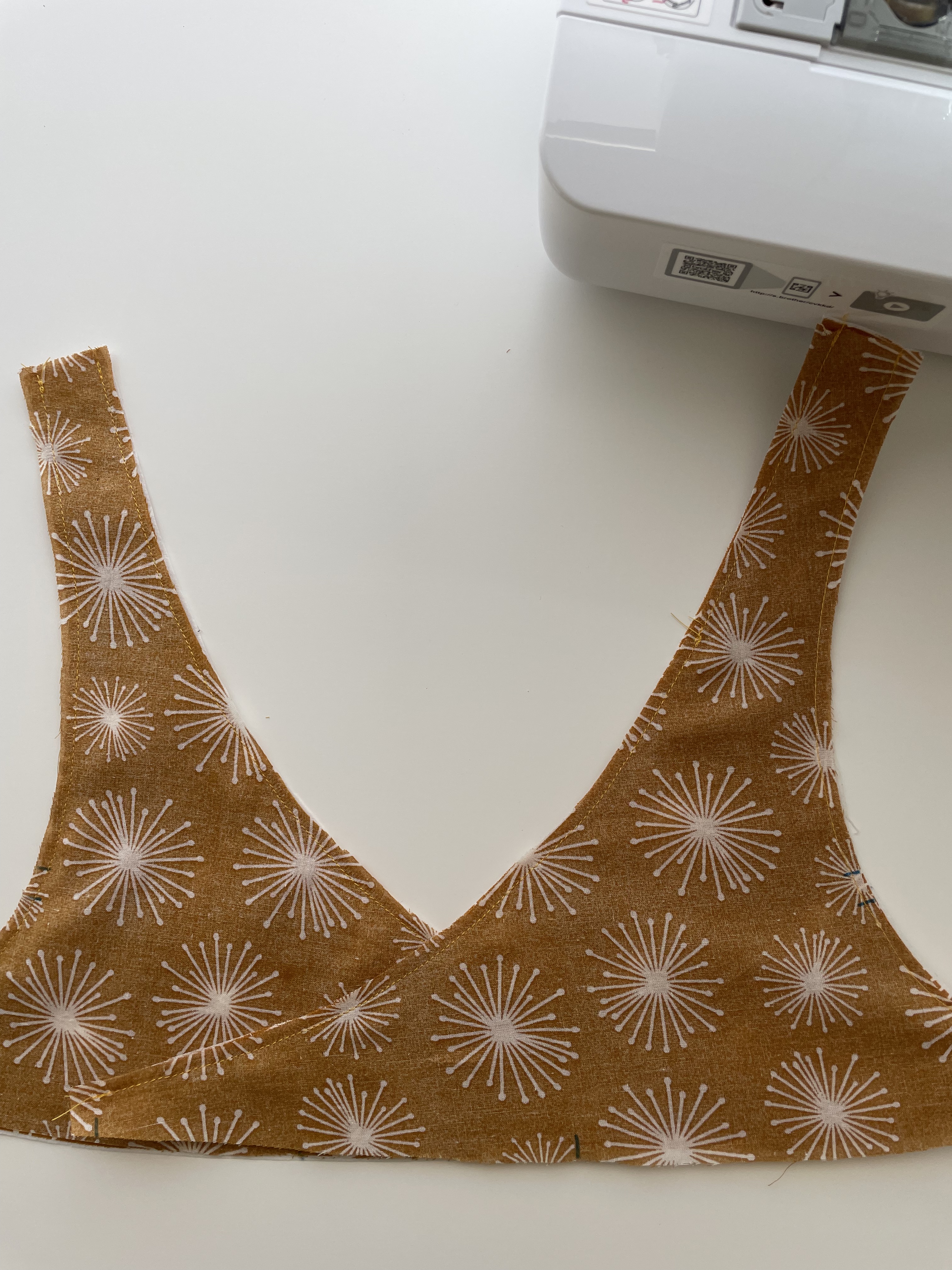
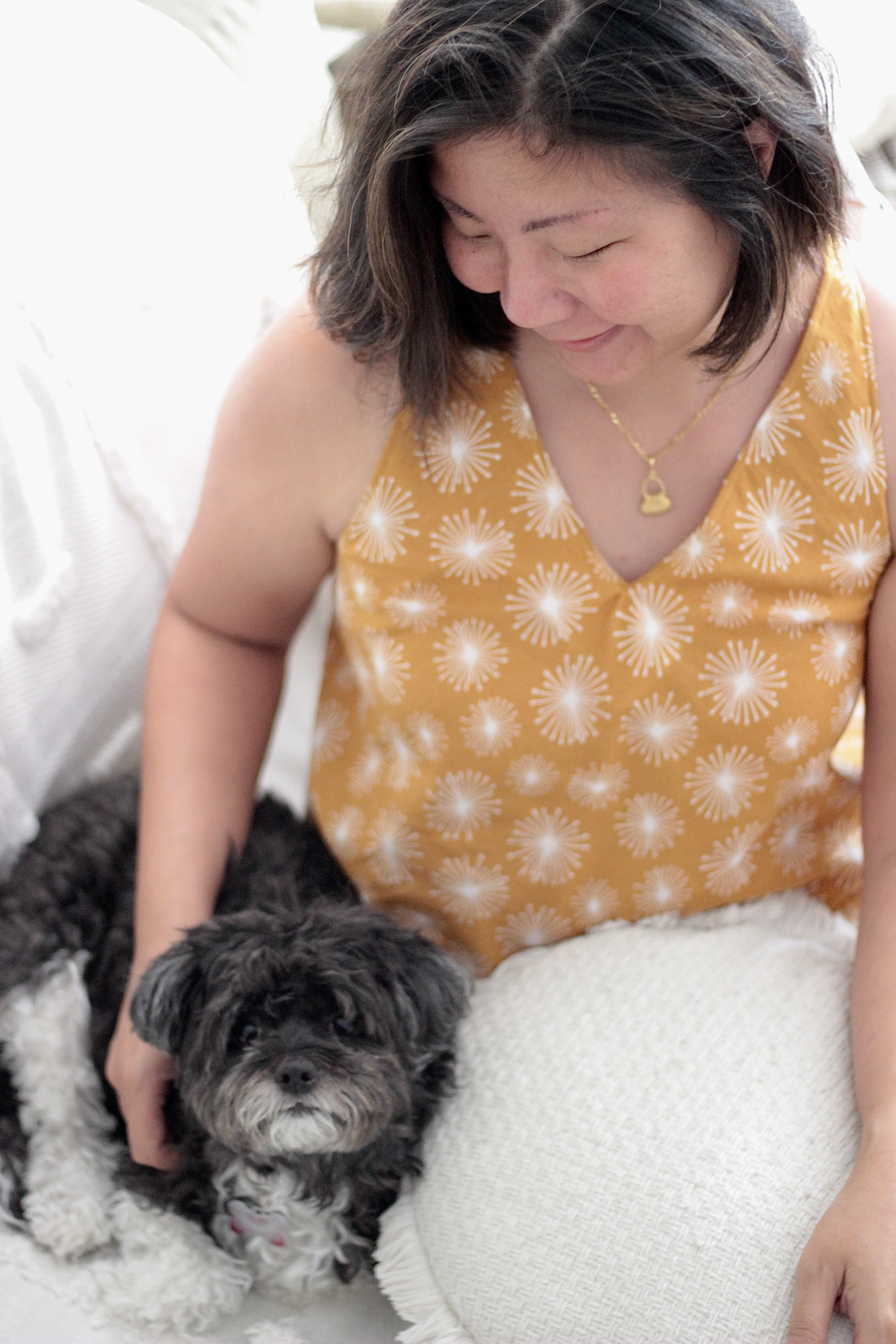
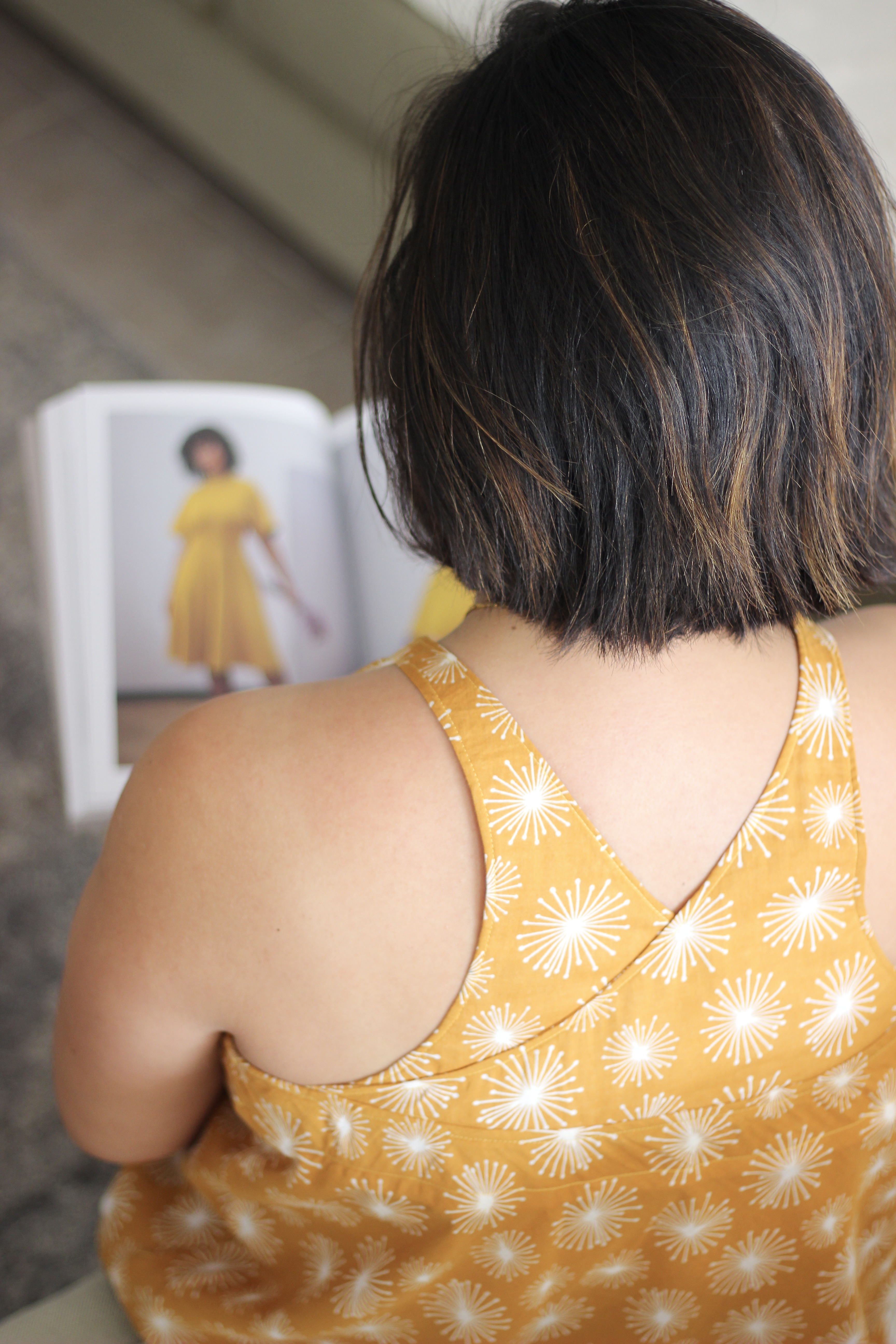
As usual, if you’re looking after a comprehensive sew-along, you should look at the Megan Nielsen Blog Site. This was my own sewing process. Before heading into that, I wanted to talk about the fabric that I used. I bought this lovely muslin from Spotlight Stores. It caught my eye because of the beautiful mustard colour and the pattern is reminiscent of a field of dandelions. Muslin is such a thin fabric; it’s often used for children’s clothing or baby wraps and for good reason. It’s soft, made of cotton and is such a breathable light fabric which is why I’ve thought to use it for summer pyjamas. 

I remember when I had just started sewing, I tried to sew with muslin fabric. I ended up cutting it up for cleaning cloths because it did not even survive the first wash! The best way to prepare muslin fabric for sewing is to overlock the raw cut edges before washing on the cool cycle. This preserves the integrity of the muslin fabric which has a loose weave otherwise you would risk your washing machine unravelling some of the thin fabric. After washing, I gave it a light iron and went on the cut out the pattern pieces. Another beginner tip is to check your needle. I made sure I had a 10/70 needle to ensure that I wouldn’t damage the delicate fabric.

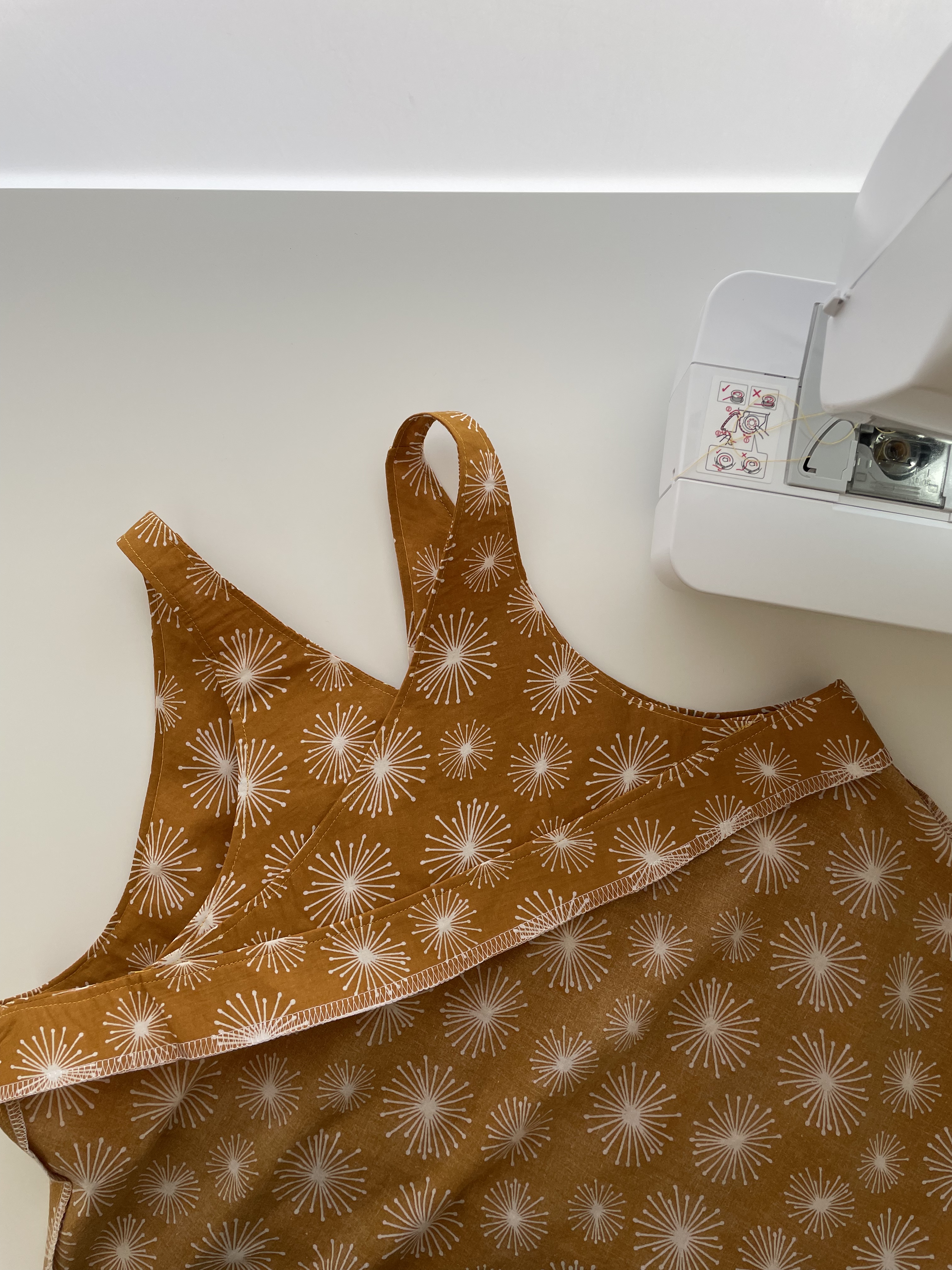
Starting with the camisole, which is cut on the bias, watch that you don’t handle the fabric too much and lay it flat as it will stretch if you hang the fabric before sewing. I also made sure to staystitch where needed as this helps to stabilise the fabric. I love the look of bias-cut garments as it drapes beautifully especially with silky materials. 

The crossover back yoke is the distinguishing feature of this camisole. It’s a really satisfying construction. It’s also so comfortable to wear. I’m tempted to sew this camisole as a top if I can find the right fabric like silk. Once the crossover back yoke is completed, it comes together very fast. Topstitching the neckline and armscye was my own addition to help secure this fragile fabric. I tend to wash everything in the machine and have little time for hand washing so this will go a long way of preserving my Reef Set. I also secured the facing by stitching in the ditch at the side seams and stitching down the back panel.

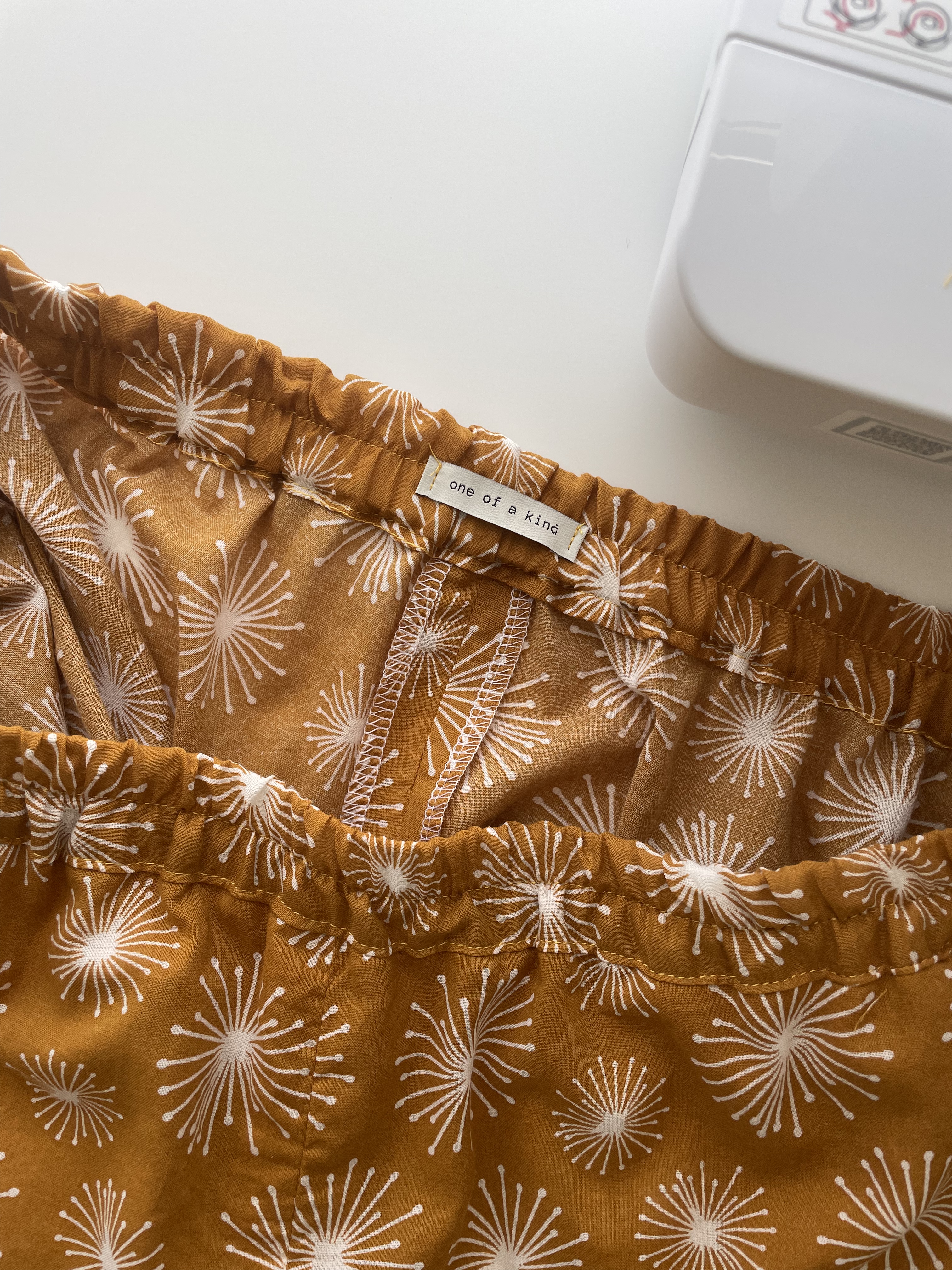
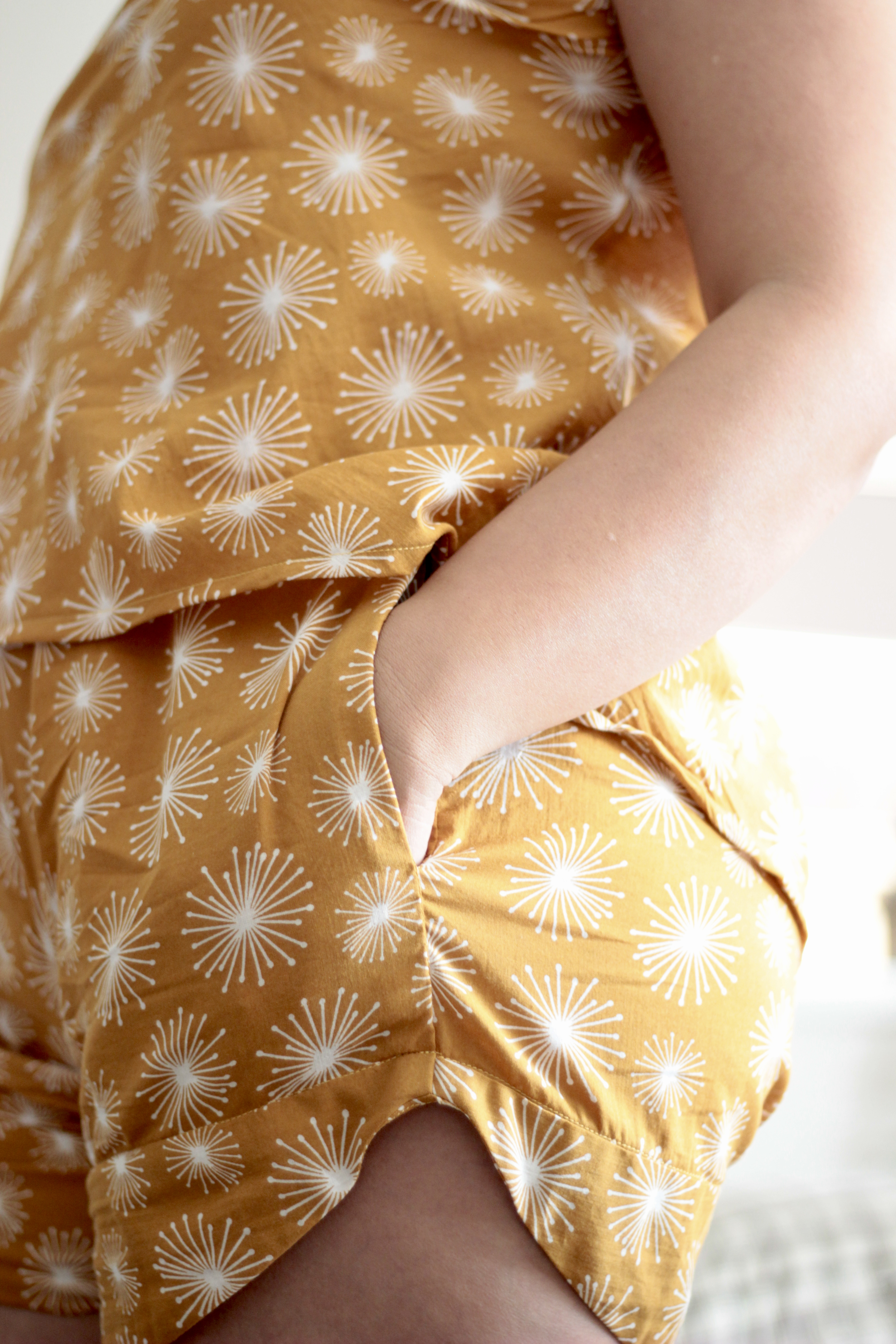
Onto the shorts, I made the View B option which is the mid-rise. The hemline is curved and again an interesting construction with the attachment of facings. It elevates the piece from basic elasticised waisted shorts to luxurious summer pyjamas shorts. It doesn’t stop there; it also has pockets!

A quick note on sizing, I made the size 12 for my measurements of 37-inch bust, 33-inch waist and 38-inch hips. The sizing was a great for the shorts, but I could sew up a size for the camisole top. The camisole has very narrow seams except for the side seams which returns to 5/8 inch. I narrowed the side seam to allow more room in the armscye. It still fits me in the size 12 but there are some horizontal fold lines where the front straps meet the bust line. The other option would be to make a full bust adjustment but I would also like to lengthen the camisole so I feel the best option would be to size up.

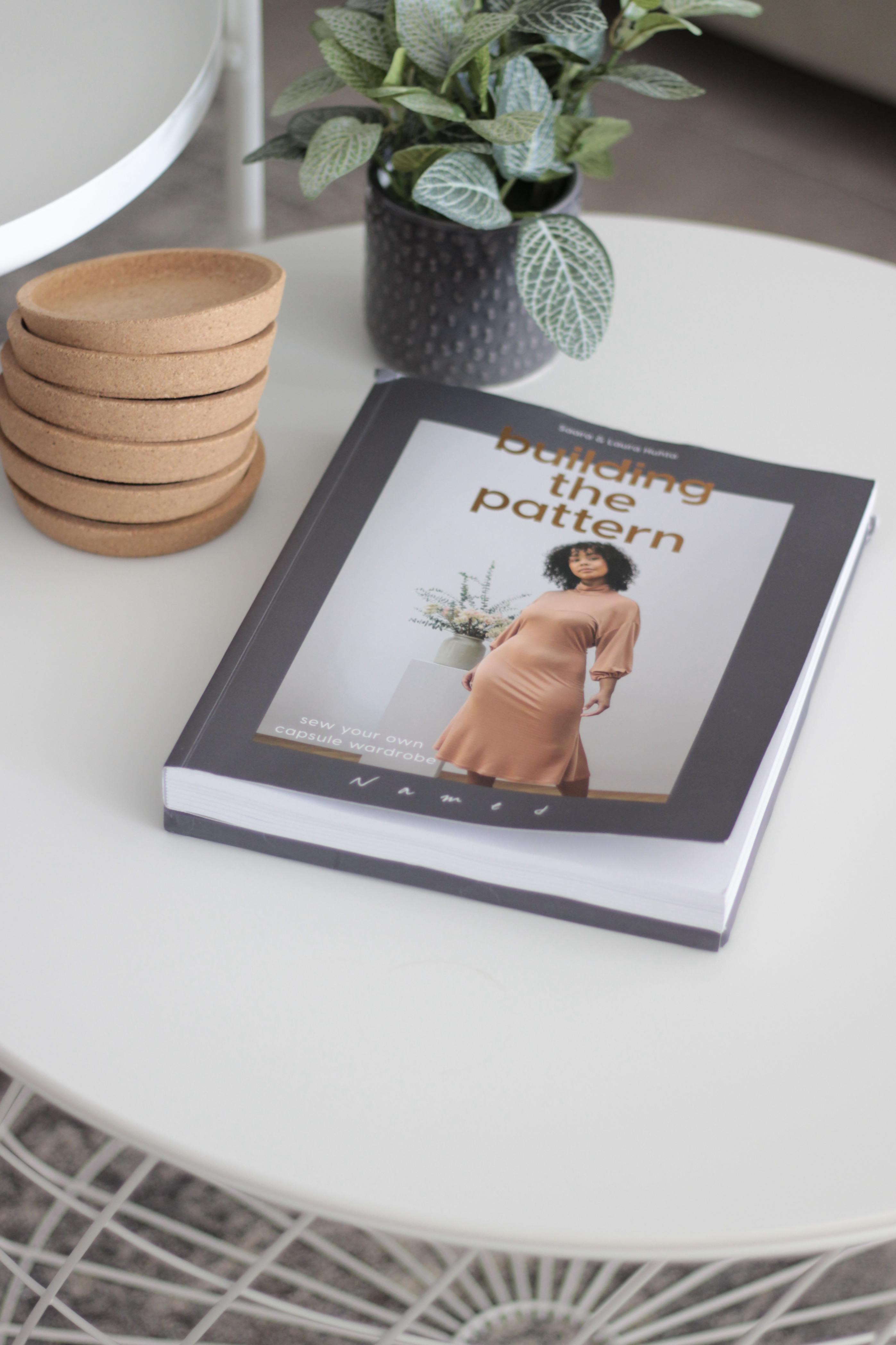
Now that the busy Christmas holiday period is over and we have turned over to the New Year, I have a few days of lounging around in my newly minted pyjama set. I’m really enjoying my new book which is the second book by Named Patterns titled, “Building The Pattern”. This is my first sewing book and it’s a gem.

Thank you for reading and wishing everyone a Happy New Year!

X Em

Matilda Dress

How is it the end of October already? The Matilda Dress caught my eye in the recent re-release by Megan Nielsen Patterns. I loved the version with sleeves, and I felt that it would be a great dress for the autumn or spring seasons where you can have warm days and cold nights. This has been a bit of a marathon sew and like all marathons, some parts were challenging but it felt like a satisfying achievement in the end.

The challenges mainly came from the fabric I chose. Firstly, the fabric I chose was a cotton blend linen but the weight of it might have been too heavy. Secondly, the fabric was a bit shifty. I think the weave must have been quite loose and without a walking foot, the fabric shifted quite badly when sewn. The loose weave also meant that the fabric frays quite easily. Next time, I will be looking to sew the Matilda with shirting fabric as suggested in the pattern! Despite this, I do love this soft fabric and as it’s slightly thicker, it will be getting a lot of wear until the weather warms up properly.

Packed full of features like pockets and collar

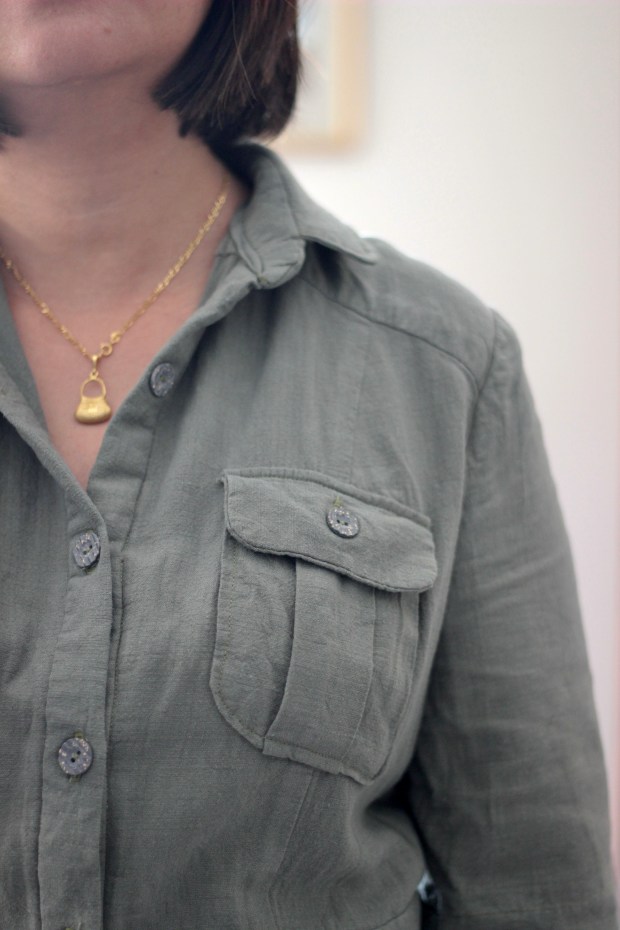
Okay, so onto the features of the Matilda Dress. Basically, I would describe it as a fitted shirt dress. It has two types of pockets, a yoke, collar with collar stand, has a waistband and princess seams. It was so interesting to have so many features in a dress and I was so grateful for the clear tutorials included with the pattern. I needed to refer to it when I was sewing the breast pockets and pocket flaps. I also referred to it again when I was installing the collar and the collar stand. I find that every time I’ve sewn a Megan Nielsen pattern, I learn something, and my skill level grows.

For my measurements of 37:33:38, I sewed the Size 14. No modifications were needed. Interestingly, in the past I’ve usually sewn the size 12 from Megan Nielsen Patterns but the size 14 fits better. I can still wear my other dresses made in the size 12 so I’m not sure if there have been some changes in the drafting? If you know then comment below. 

I managed to get all my pattern pieces from a 3-meter length fabric (I think it was 130cm in width). There were a lot of pieces, so I spent quite a lot of time playing pattern piece Jenga! The linen fabric was from my stash which was why I wanted to spend the time fitting all my pieces in. 

Full length of the dress

I’m not sure I’ve mastered this pattern yet. It will definitely need revisiting in the future but I’m happy to have made the attempt!

Thanks for reading and happy sewing!

X Em