Milla Dress

Featuring Cotton Lawn from DIY District

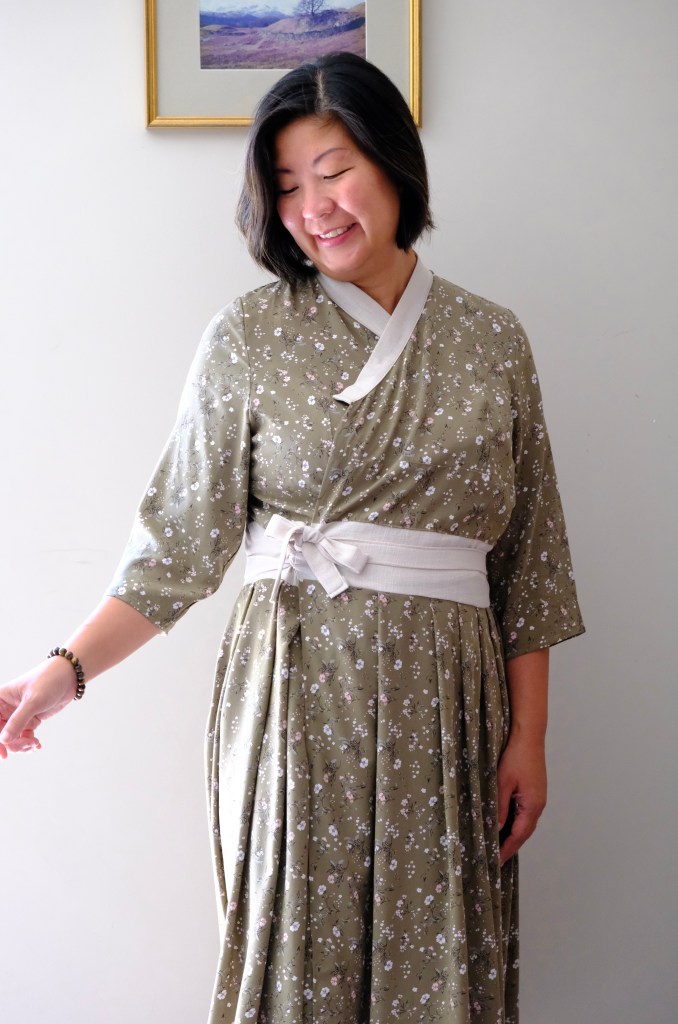
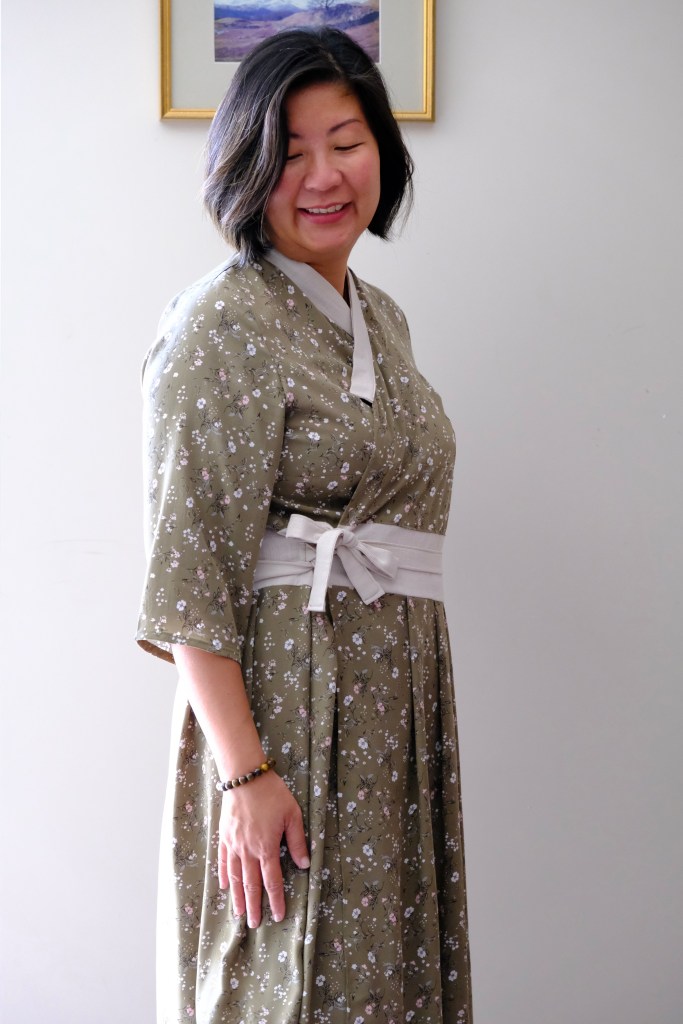
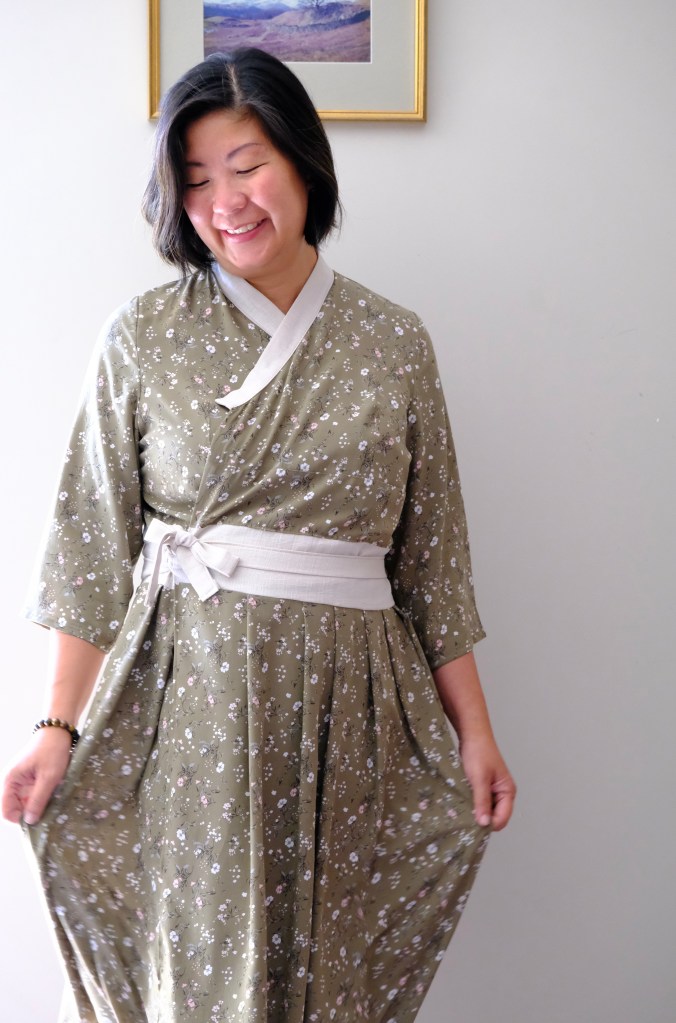
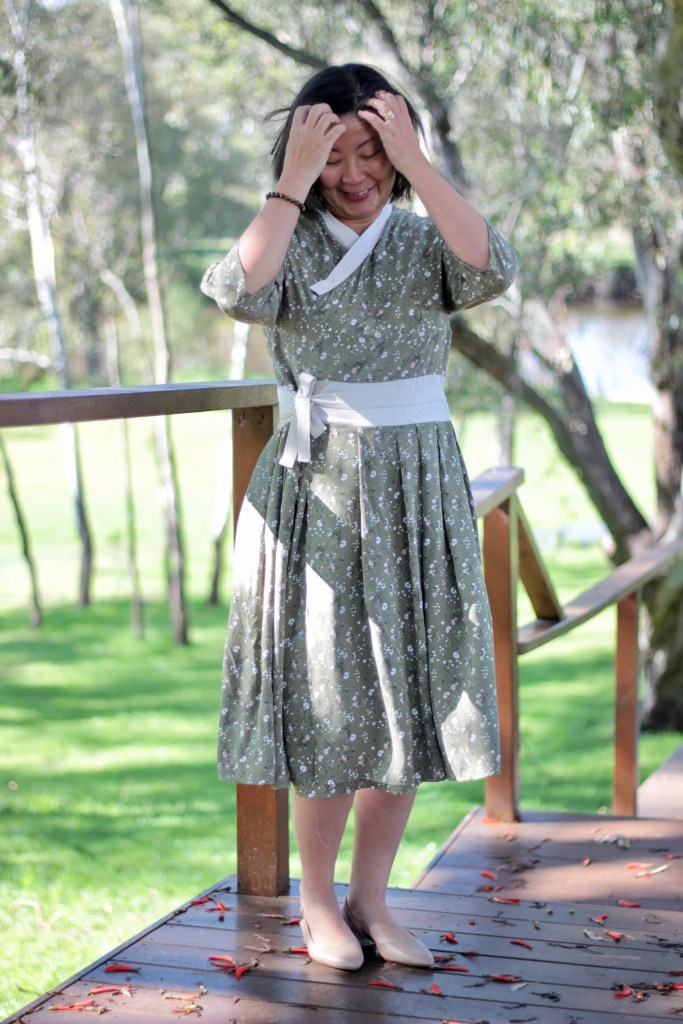
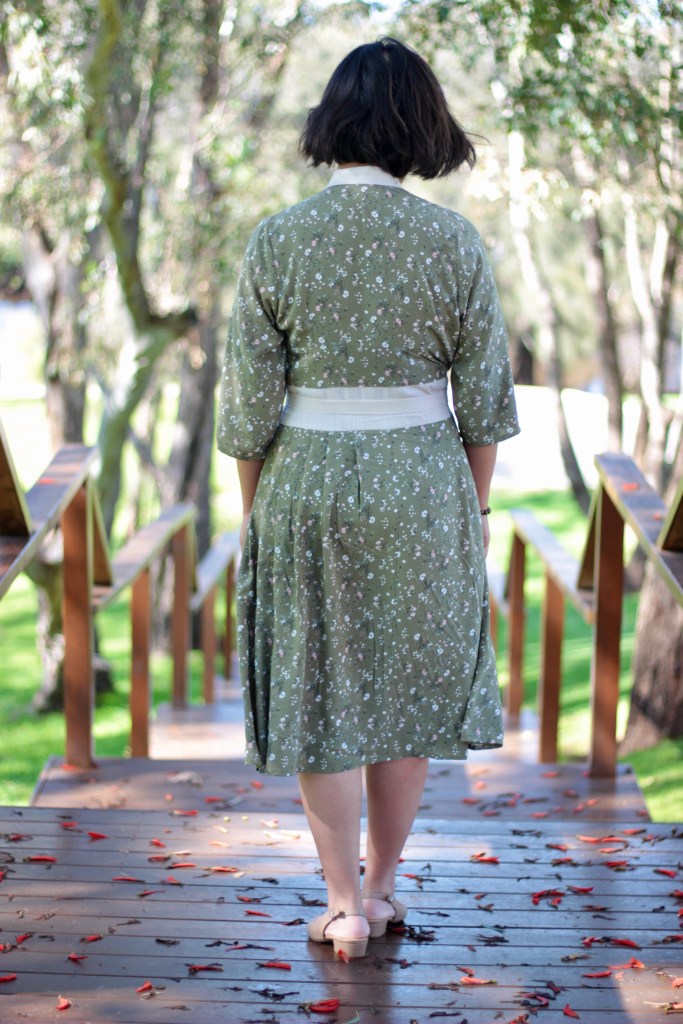
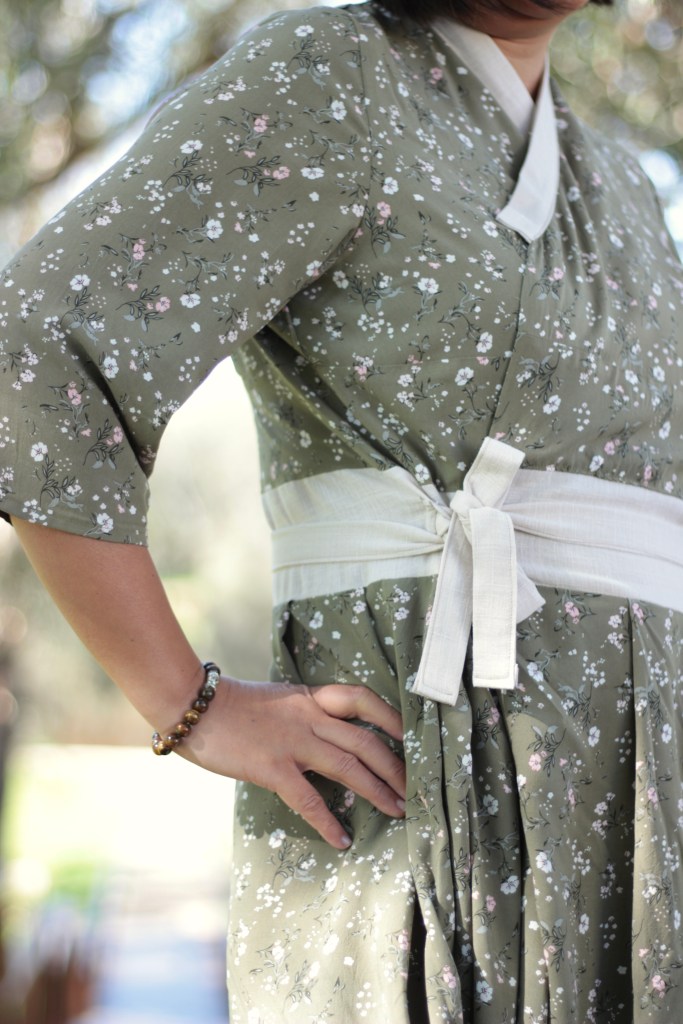
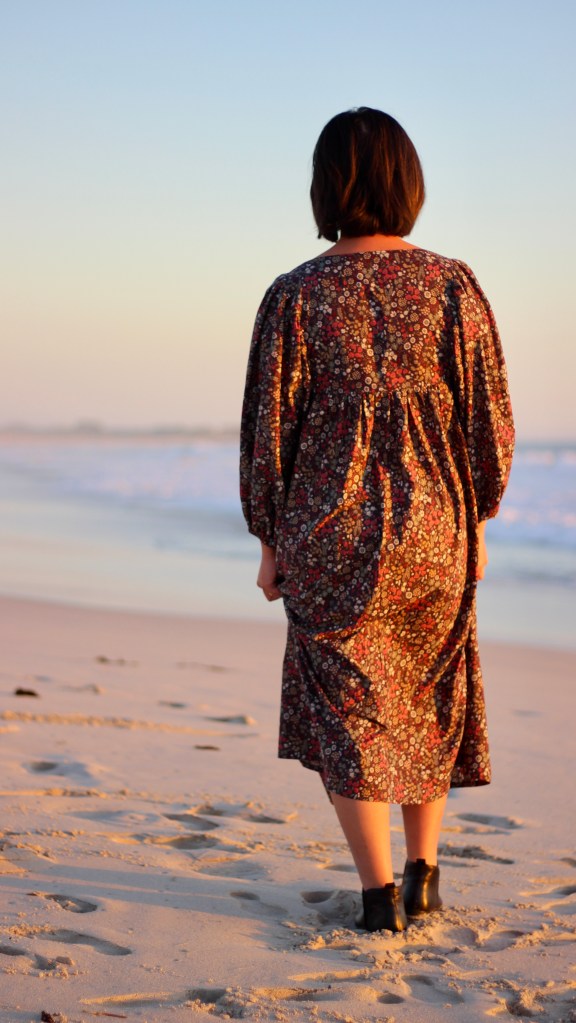
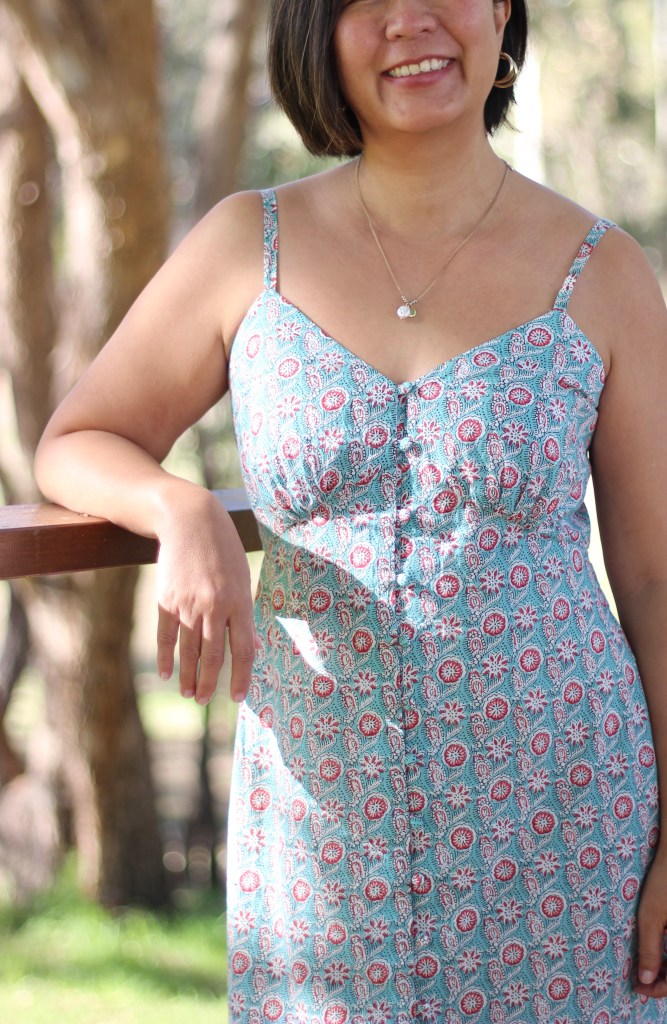
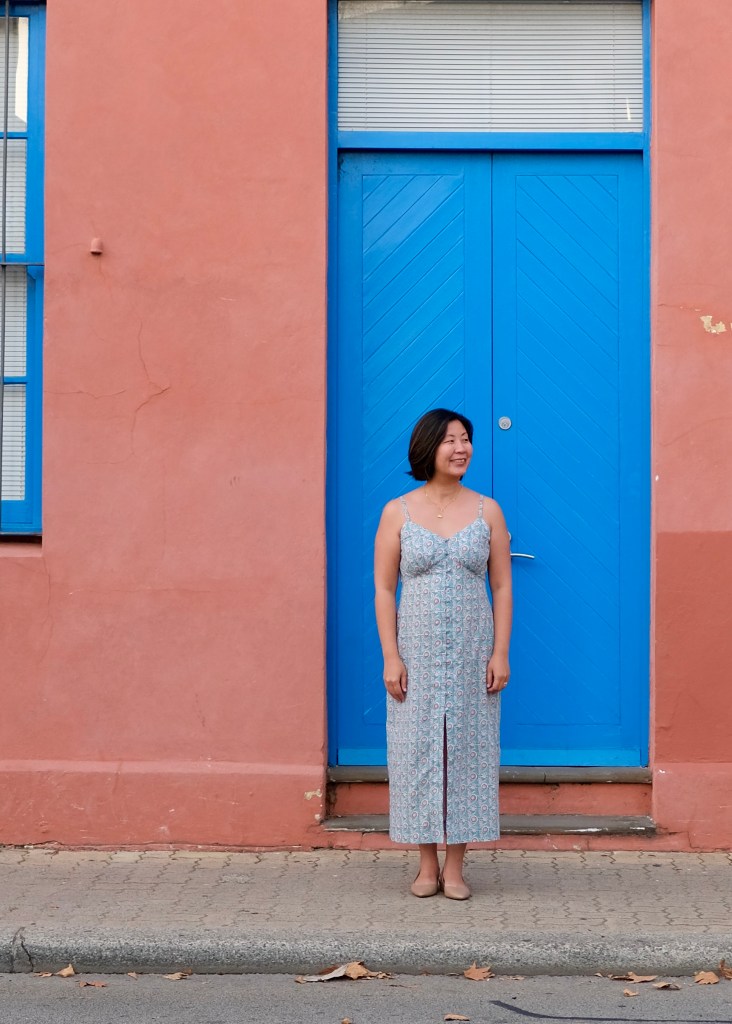
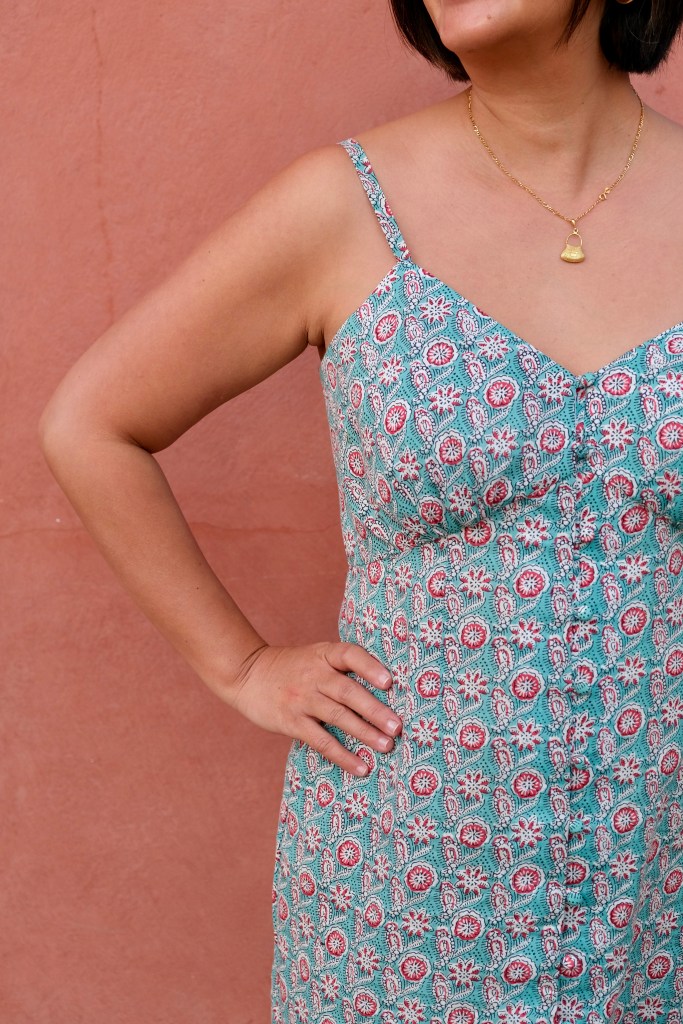
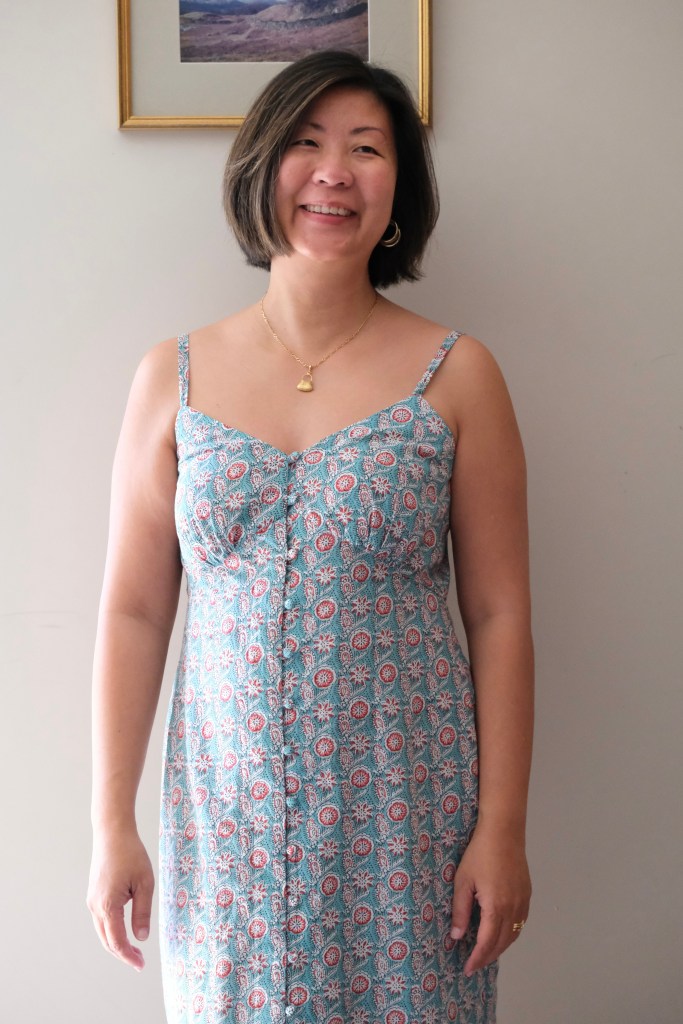
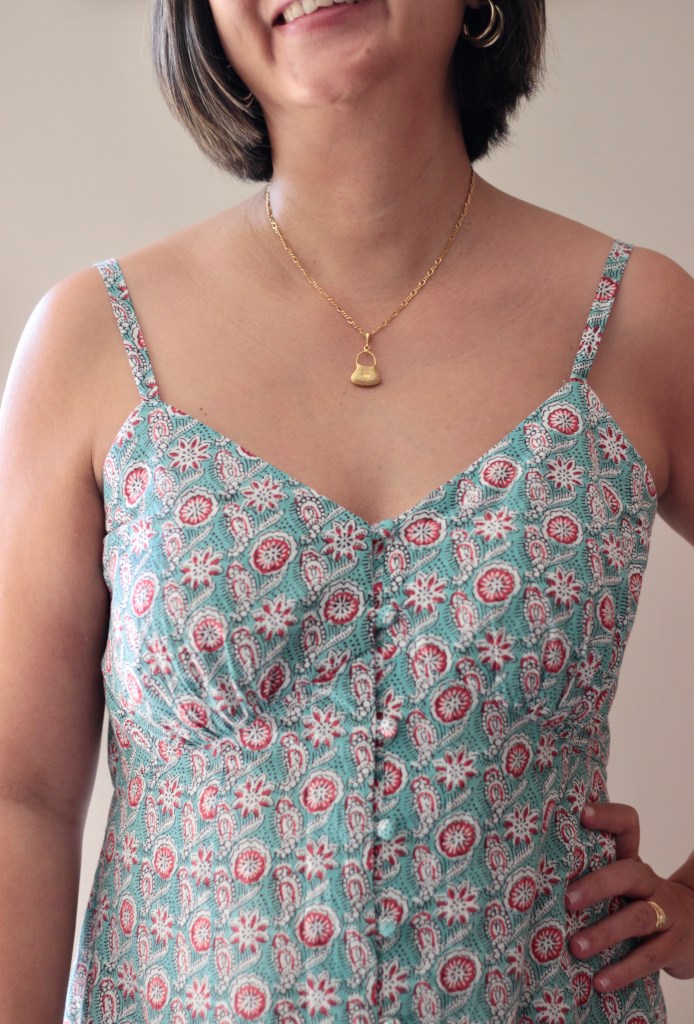
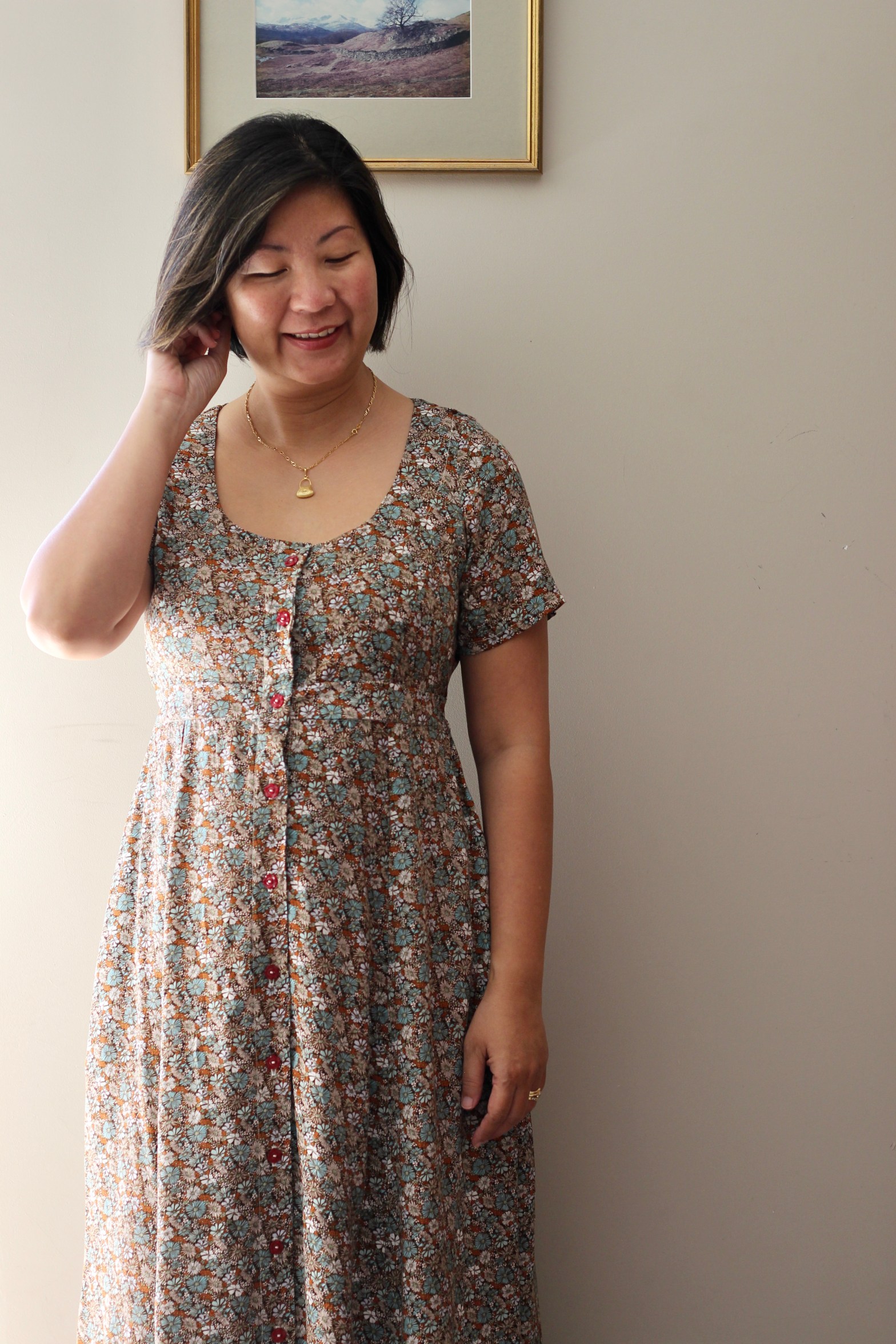
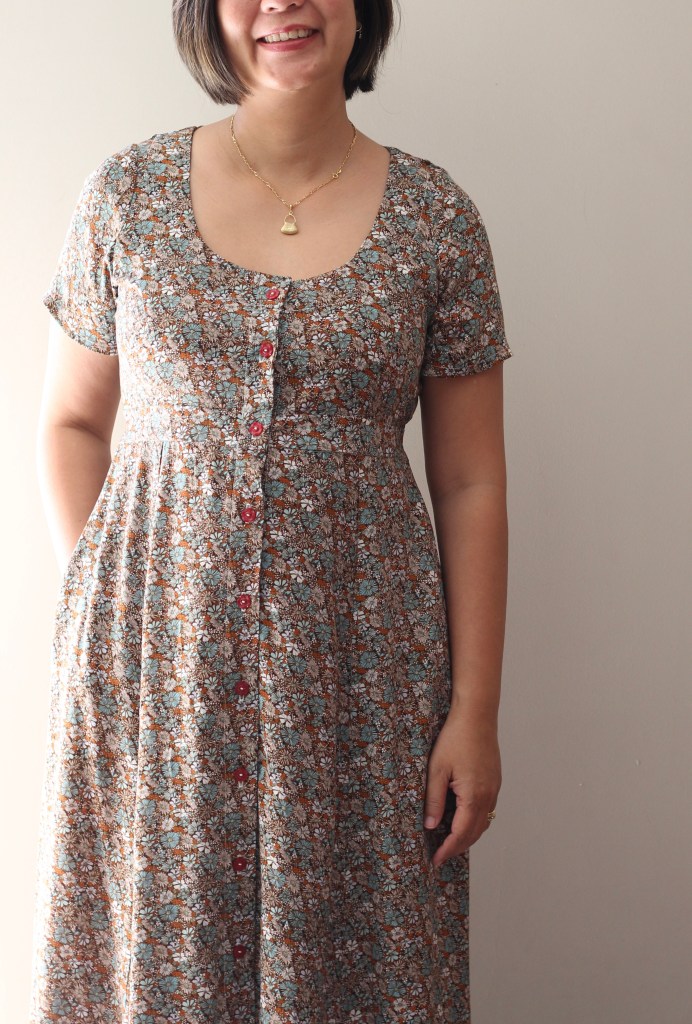
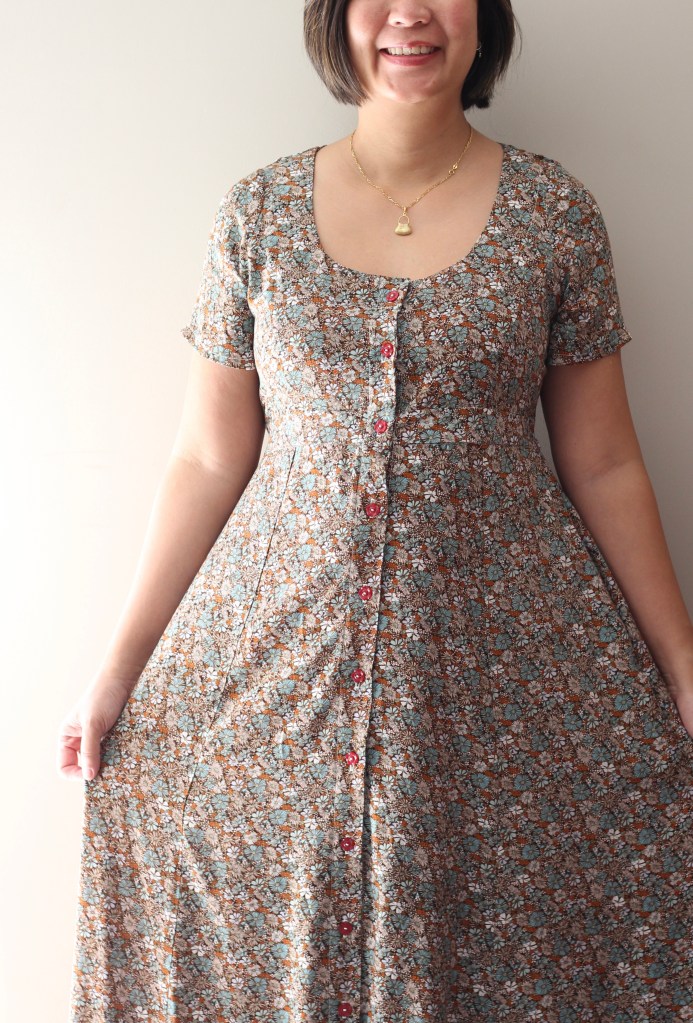
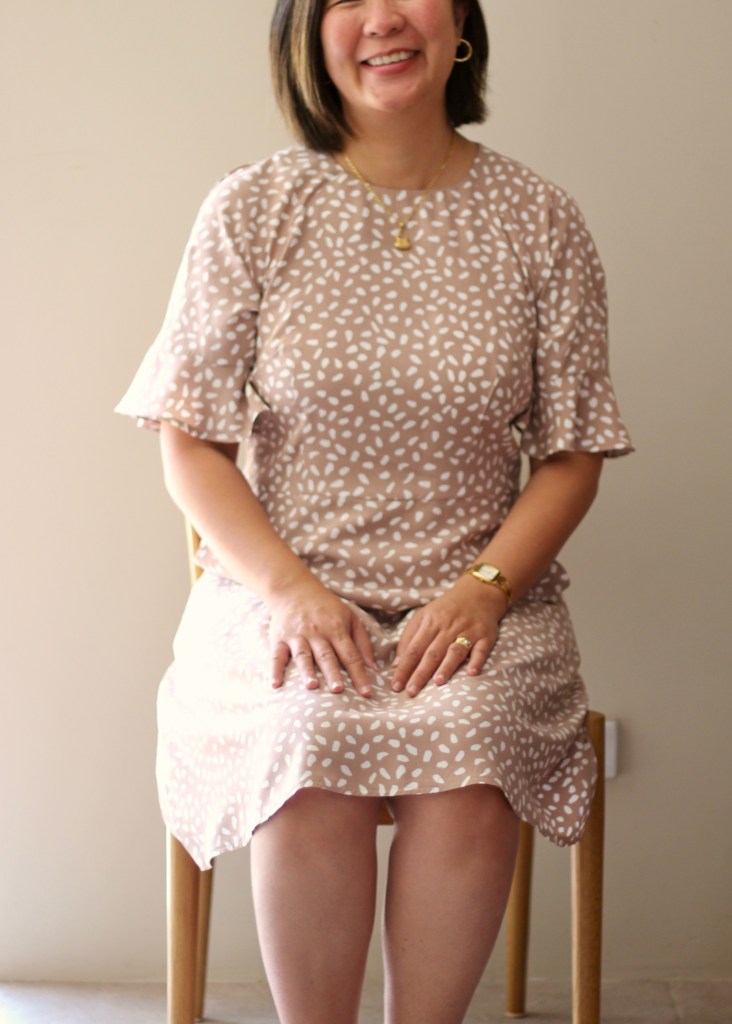
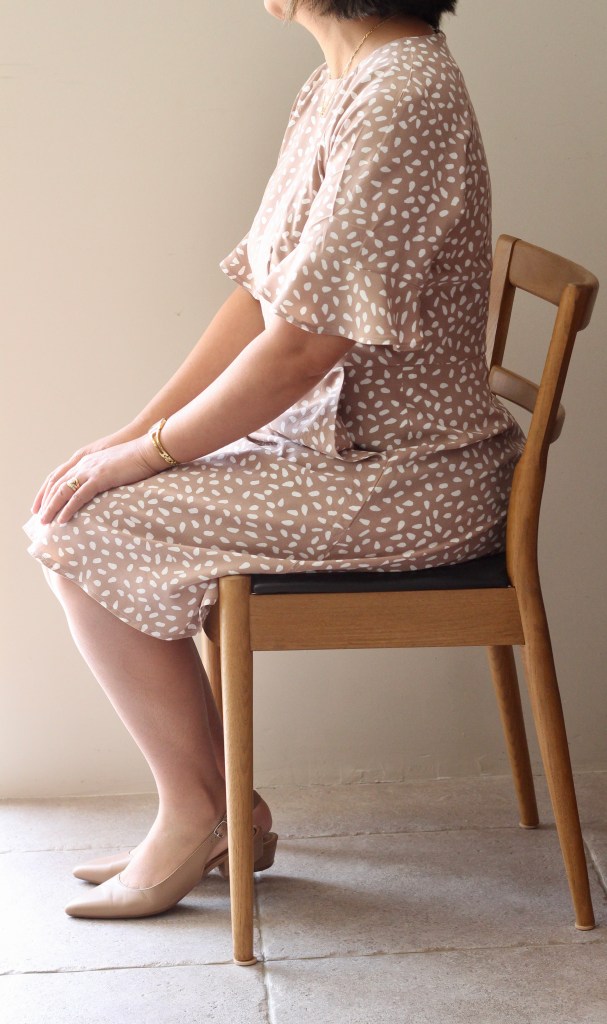
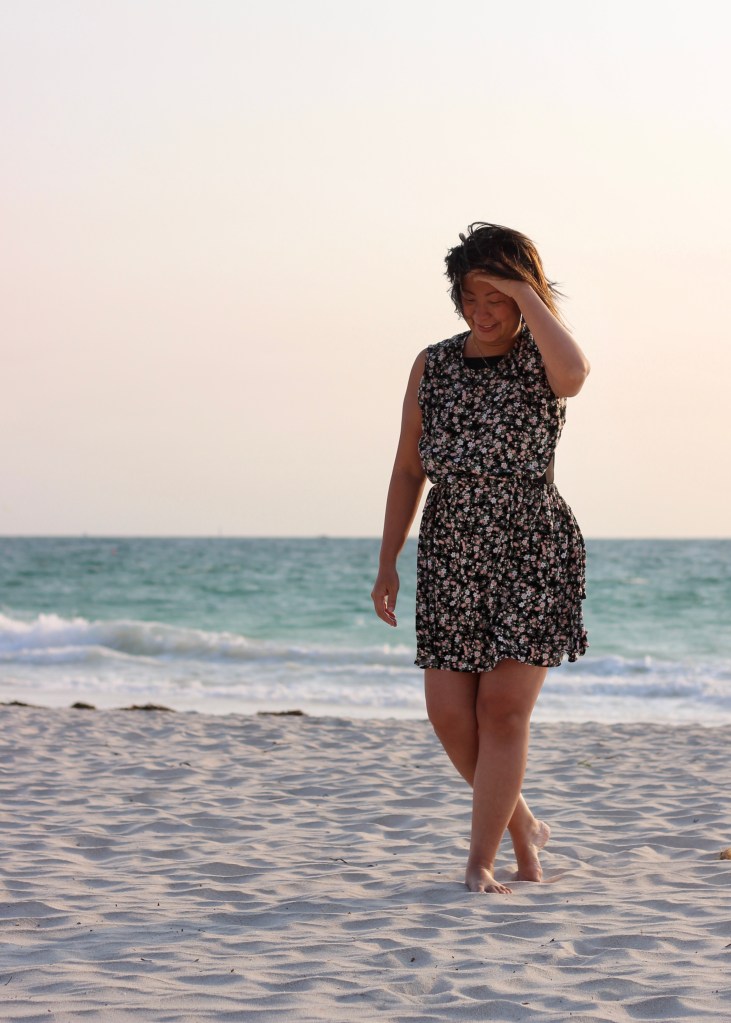
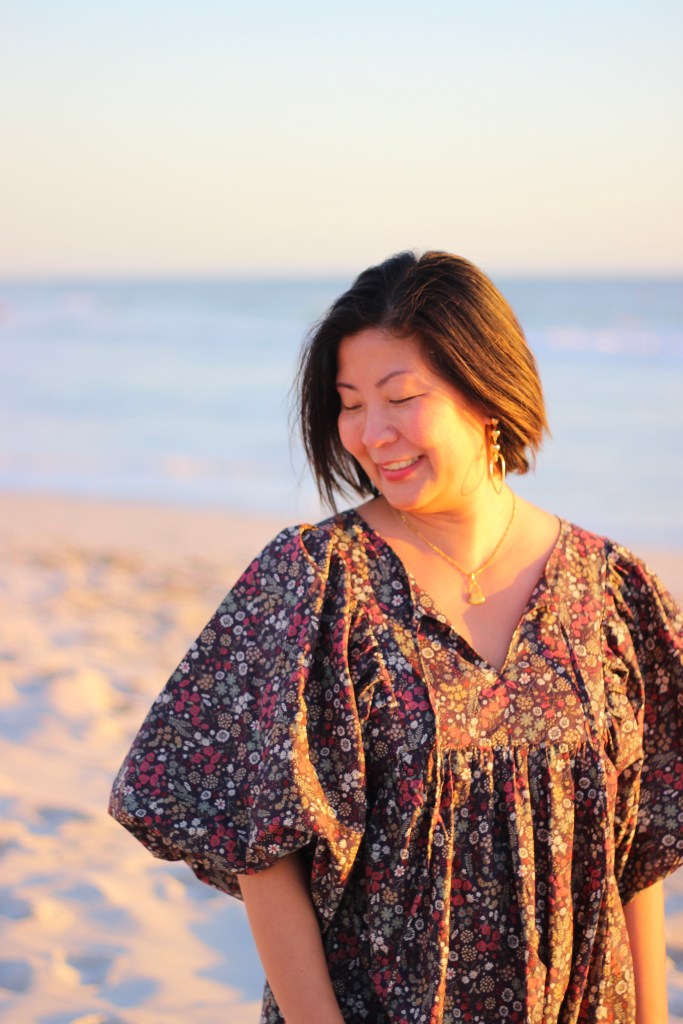
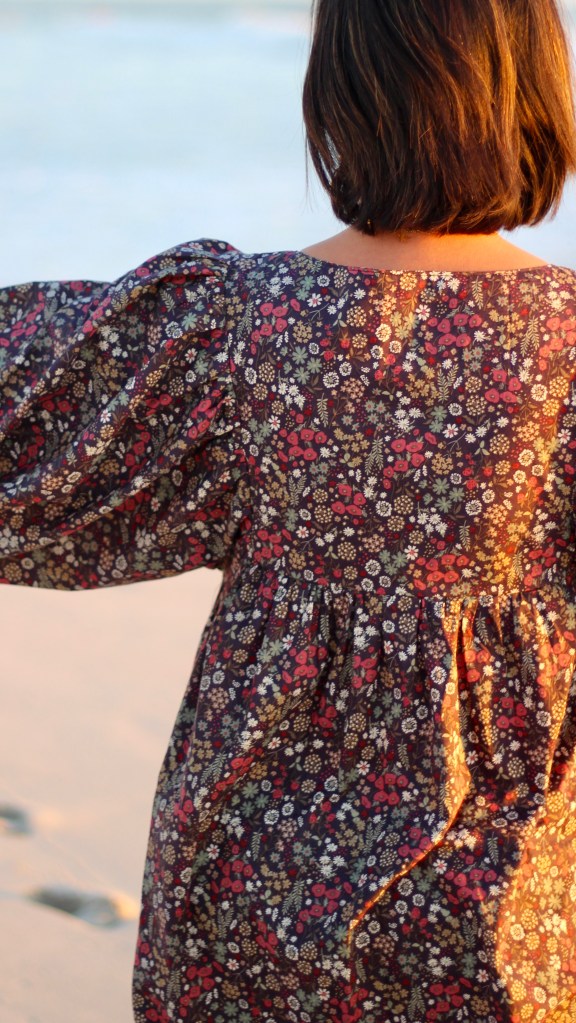
The bohemian style of the Milla Dress from Slow Morning Studios caught my eye with the interestingly lined bodice panel surrounded by gathered sleeves and skirt pieces. It’s honestly the biggest sleeves I’ve ever sewn. This is a pull-over-your-head dress, so no zips or buttons needed. I’ve used the beautiful floral liberty-style cotton lawn sent to me by DIY District and I’m so happy with the combination. The cotton lawn is a non-stretch lightweight woven which suits this pattern. In fact, with the size of those sleeves and the amount of gathering, I would choose an even lighter fabric next time but for this make, I’m love the vintage vibes with this lovely liberty design.

The pattern comes with simple instructions for construction. I like that there is some assumed knowledge in the instructions. Nothing important is left out and all the illustrations are clear. This can be seen with the construction of the neckline. The neckline is not exactly a V-neck but has a V-keyhole feature and there is an option to add ties which I’ve done. The instructions are to match the bodice outer shell to the lining and then to sew and turn inside out to finish. The assumed knowledge is the sewing into a V-neck. The added instructions would be to mark the midline, then baste the seamline to the mark on both sides to the point of the V. This will act as a stitching guide for the neck seamline. Once stitch, it’s important to cut into the V stopping at the stitch line then trim to the point of the V. I love how so much detail and technique it can take to make something like a V-neck look sharp. If you don’t sew, you never appreciate the skill and knowledge it takes to make something look so seamless!

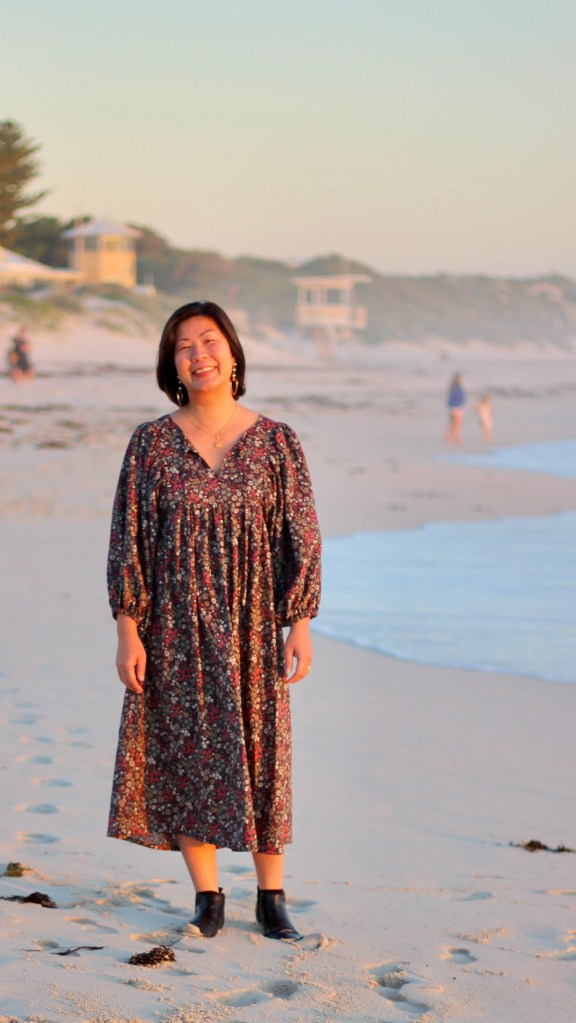
The dress is a lovely loose fit. There’s obviously a lot of ease in the pattern so sizing is straightforward. My measurements of 37-inch bust, 33-inch waist and 38-inch hips fit between the size38 and size 40 so I made the size 38. I’m comfortable with the fit. The pattern comes as a dress but also a blouse and has long or shorter sleeve options. I’ve chosen the longer sleeve option which has elasticised sleeve hems.

Talking sleeves, I have to mention that I cut the sleeves crossgrain. Cross grain runs at a 90degree angle to the fabric. The width of the fabric was narrow at 110cm so the fullness of the gathered sleeve pattern would not fit. Cutting crossgrain was my only option. I think for sleeves, cutting crossgrain is fine as there isn’t much strain on the fabric but I would be wary of doing this on a pair of trousers as the fabric is weaker. If you tug at the fabric that is cut on a crosswise grain, it will have more “give” than one that is cut straight of grain.

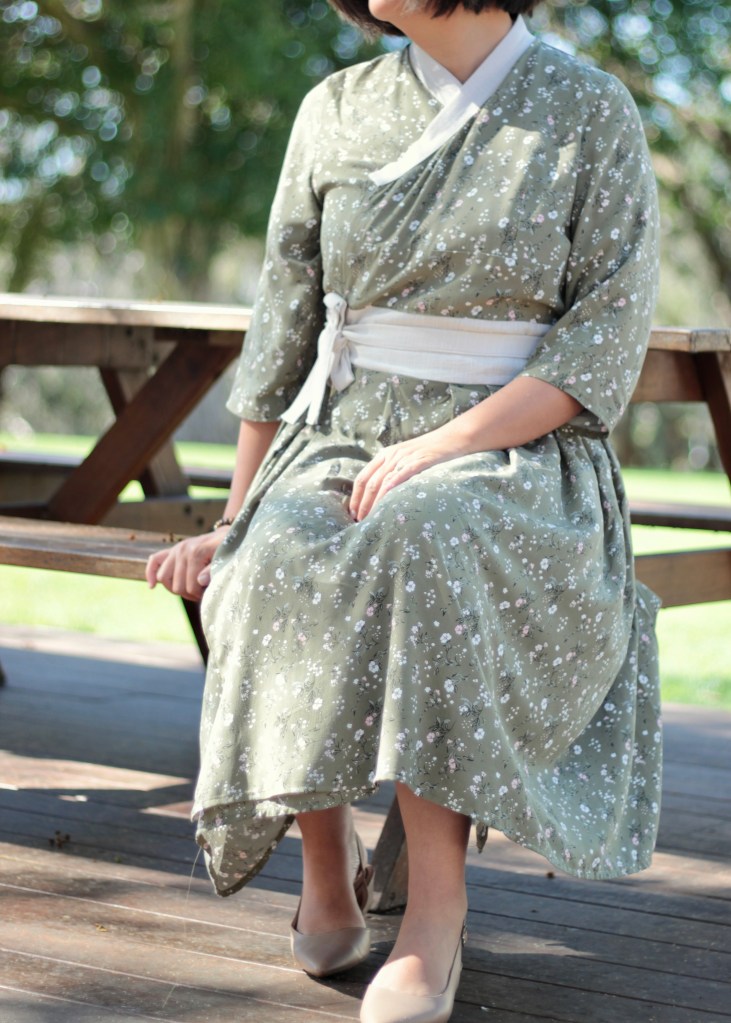
The liberty style cotton lawn is an easy fabric to sew as it’s a stable woven fabric. I’ve used a 75/11 size machine needle. It would also be okay to sew with a universal needle. I have chosen to finish all the seams with overlocking which is nice and quick. In fact, the whole sewing process was quick. It’s a great project if you need a dress quickly as it can be done in an afternoon. I’m definitely squeezing another one in but next time I’m going to shorten it for a beach dress and make it with super lightweight fabric. With this heavier cotton lawn, I’m wearing it more as a winter dress and it’ll also be great for the in-between seasons. I would style it with a denim jacket and boots to make it cosy to wear.

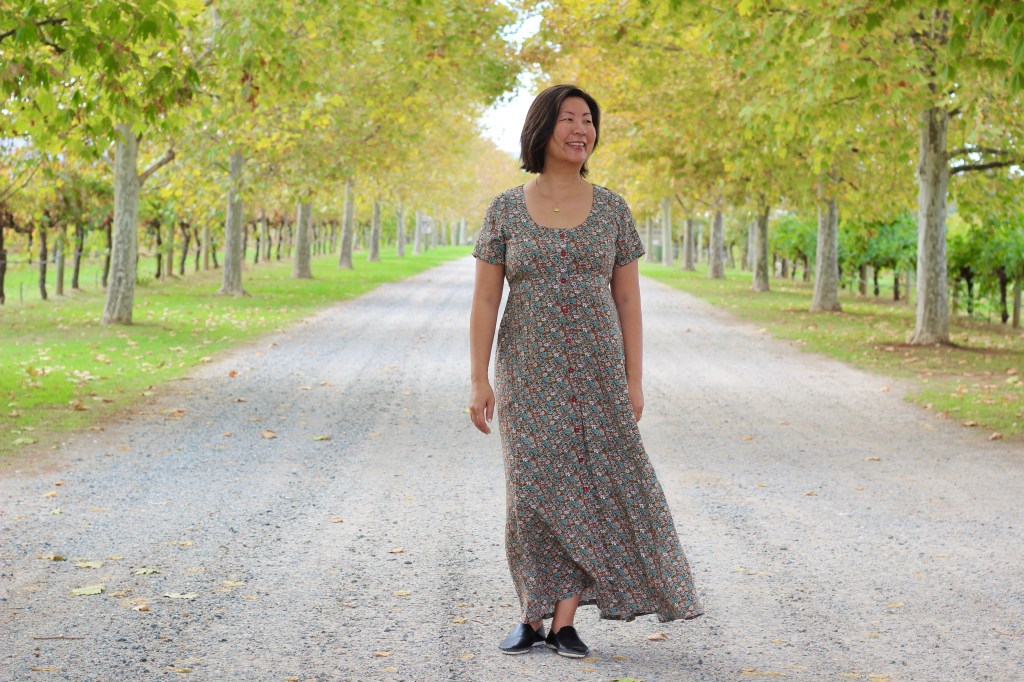
Here are some Australian winter beach photos!

Thanks for reading and happy sewing!

X Em

Flora Dress

Featuring Nani IRO Rakuen silk and cotton in black

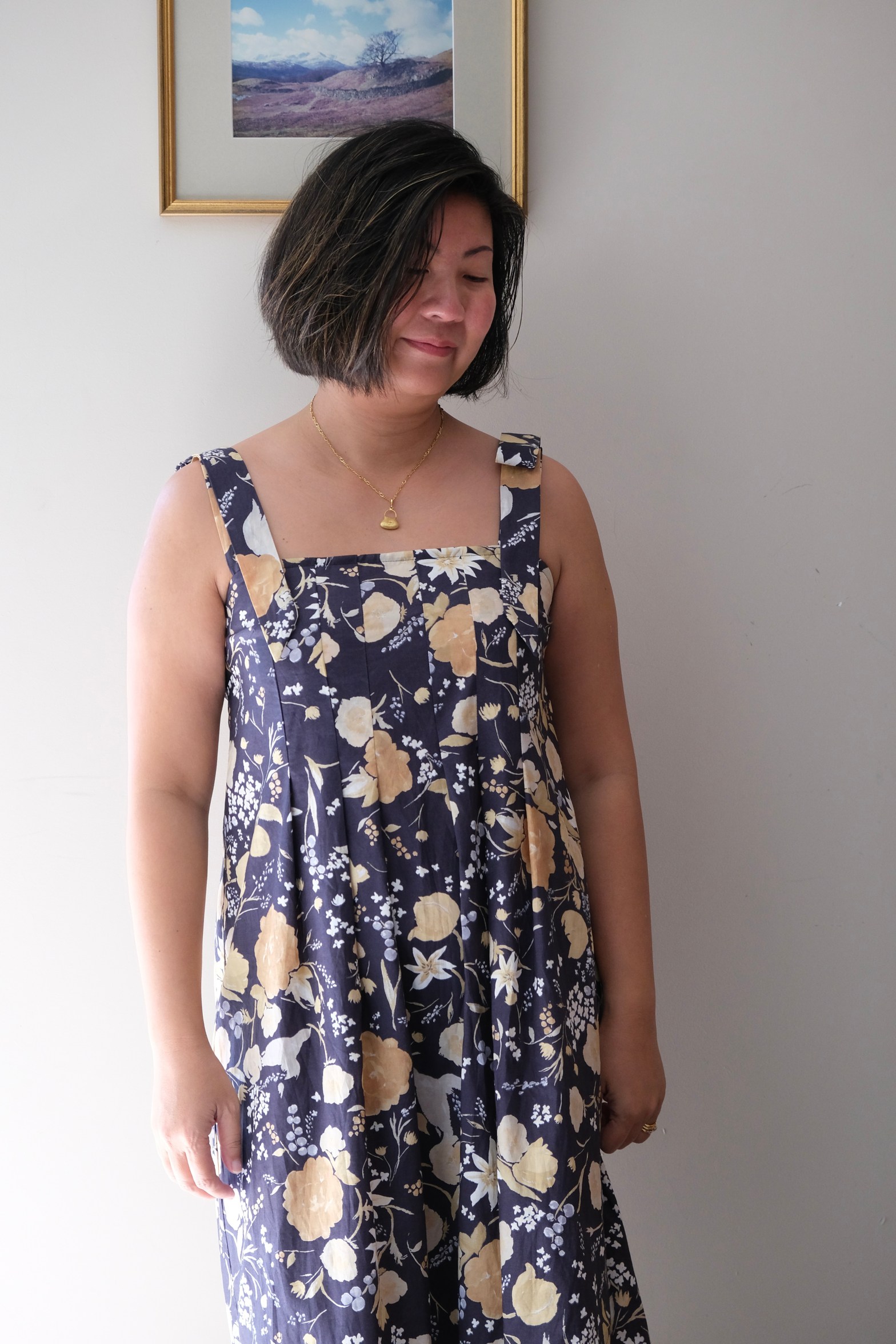
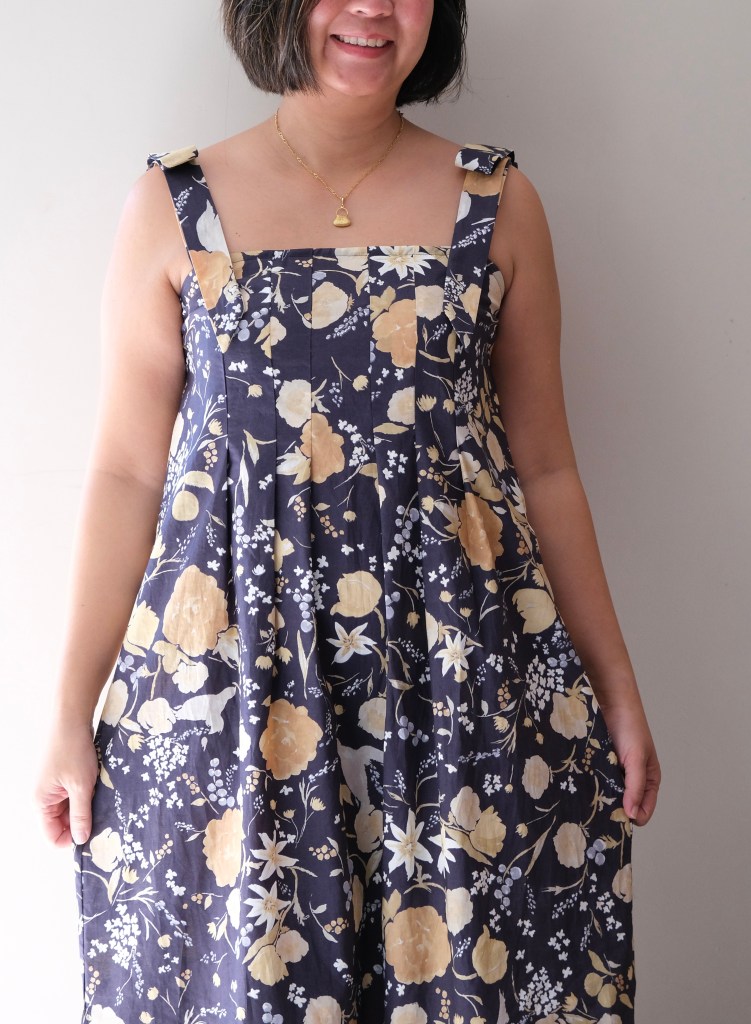
The Flora Dress is a new release from Pattern Scout. I was excited when I saw the release because she had detailed this dress on her YouTube channel last year. It was just made from rectangles of fabric with pleats. The simplicity of the dress is exactly the style that I love Pattern Scout patterns for. With the pattern release, the rectangle fabric concept is still there with a bit more refinement in the neckline but still retaining the wide tucks to fit the bodice.

The dress is made for lightweight woven fabrics that do not have any stretch. It was so lucky that I had the Nani IRO Rakuen fabric from DIY District. This fabric is a blend of silk and cotton with a composition of 70 percent cotton and 30 percent silk. It’s beautifully soft and lightweight at approximately 129gsm (a bit under 5oz). “Rakuen” translates to “paradise” which is depicted by the flowers and birds in a garden in what the description describes as a black background but, I would say that it’s more of a midnight blue background. I’m not disappointed as I prefer this colour.

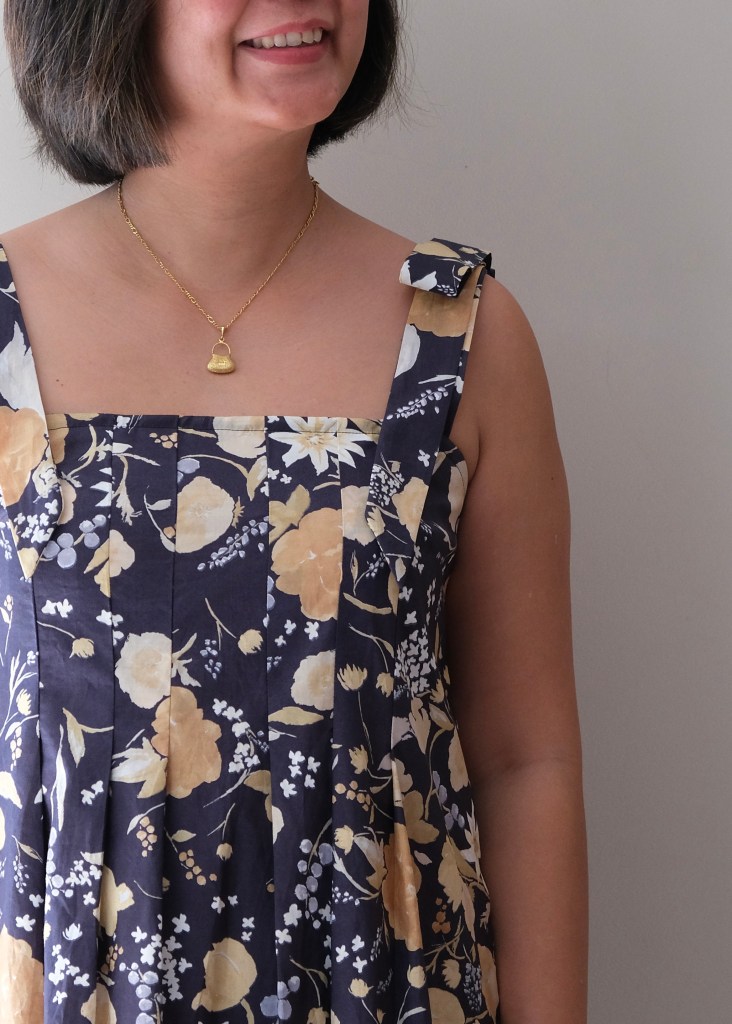
Construction begins with sewing these pleats or tucks in the front and back pieces. It was a very satisfying exercise once you get into the rhythm of matching the notches of the tucks, folding, and marking the lines for the length of the tucks, sewing, and pressing the tucks and then repeating the whole process until the fabric was shaped into a fitted bodice that flared out into a flowy skirt. I guess the process reminds me of origami which is quite meditative and rhythmic when forming the shapes with the process of folding. It also requires the accuracy of origami, so I made sure that I measured the distance of the top and bottom of each tuck.

My sizing fell between the size 12 and 14 with a full bust B Cup. I did a toile of the size 12 because looking at the final measurements, there is a fair amount of ease in the waist and hips. I prioritised the bust measurements in choosing my size which worked out perfectly. To make the toile, I cut the tank top pattern pieces only which saves fabric. I used some of the remnant cotton lawn pieces from various previous makes. When making a toile, I find it’s important to use similar fabric. I’ve learnt this the hard way in the past!

Sewing with the beautiful Nani IRO cotton/silk fabric was lovely. Again, due to the fine nature of this fabric, I sewed with a 75/11 needle to make sure the fabric wouldn’t catch when sewn. I also pre-washed my fabric with an organic detergent (no enzymes) in a cold wash and air dried it. I remember shrinking some rayon once because I thought I would cheat and skip the pre-washing. Bad mistake! It shrunk so significantly that I couldn’t wear the top. That was in my first year of sewing and I’ve not made that mistake again. The other tip I can give regarding sewing with this fabric is to be careful when pinning the fabric. I used my quilters clips at times rather than making holes with my pins. I need to invest in some finer pins like what they use for bridal dressmaking, and I need to sort the blunt pins from the pincushion.

Amazingly, I did not use my overlocker in this make. Pattern Scout is great for their instructions for French seams. I decided to follow those instructions and I’m getting more skilled using French seams. It’s a satisfyingly neat finish. The neckline is finished with bias tape which there are also great instructions if you want to make your own. I used some pre-made black bias tape which saved me a bit of time and fabric. 

As you can see from the photos, I’ve sewn the long midi version of the dress with wide straps, and I left out the pockets. I know everybody loves pockets but with the finer fabric, I did not want to risk the outline of pockets and to be honest, I never use pockets in a dress because I’ll always have a bag. It’s a great inclusion in a pattern but I decided to skip it which made the construction even easier. The last thing to point out is the side slits of the dress. Slits are an important inclusion if you want to stride out or ascend stairs with a natural gait!

The Nani IRO fabric is another beautiful gift from DIY Fabric. This is another item sewn for my holiday capsule. I’m looking forward to wearing the beautifully soft and breezy fabric in the heat. It will be good for the evenings where I’ll need something a bit dressier for dinner but will remain cool to wear. There is also a light sheen from the silk in the fabric which probably hasn’t been captured in the photos. It gives the dress a luxurious quality and feels amazing. I can’t say enough how beautiful this fabric is to sew and wear.

Thanks for reading and happy sewing!

X Em

Lora Dress

Even though we are approaching cold weather here in the Southern Hemisphere, I really appreciate this new dress pattern from True Bias because we are planning a tropical getaway at the end of winter. The Lora Dress from True Bias * is a really flattering empire waist dress and can be sewn in two lengths. I’ve chosen the longer length here but I’m also keen to sew the knee length version. The dress has buttons all the way down the centre front which stops just above the knees. My version of the dress has the spaghetti straps but there is also a full sleeved version. All views are lined at the bodice which have underbust gathers.

Before cutting into my fabric, I toiled the bodice up to the hips because this dress is fitted through the waist and hip area and the bodice should finish snugly under the bust area. My measurements of 35-inch high bust, 37-inch full bust, 33-inch waist and 40-inch hips sat between the size 10 and size 12 on the Size Chart. I was also considering if I needed a small bust adjustment (SBA) as the cup size for the dress is a C-Cup which is a three-inch difference between the high bust and full bust. I ended up adjusting the bodice from a size 10 to a size 12 waist/skirt and shortened the spaghetti straps by 1 inch. I didn’t end up with an SBA as I felt the cups sat comfortably.

The pattern recommends light to medium woven fabric. I was grateful to be able to have a good chat to Kelli who is the lovely Director of True Bias. We discussed how the gathers of the underbust meant that the fabric would need to be lightweight like under 5oz, but it was also good to choose a fabric that had some structure like a linen or cotton. If choosing a rayon, then the dress lining would need to have some stabilising qualities like a cotton lawn as rayon can “grow” and stretch out. I had wondered about Tencel twill as well especially for the sleeved version but thought that Tencel can be quite thick and heavy which might affect the gathers. In the end, I found the perfect Hand-block/Batik Fabric which is lightweight. It’s 100 percent cotton which will be so breathable and easy to wear in hot weather. I’ve chosen to line the bodice with white muslin fabric which will not interrupt any of the gathers under the bust.

This pattern also calls for 12 shank buttons as there are twelve loop buttons along the centre front. I had made buttons before in a previous project, so I was keen to try again. In my previous attempt, I had a very easy “press-in” technique version, but I was disappointed that the cap kept falling off whenever I used the buttons so this time, I searched for a better kit to use. I found a “sewn-in” kit which I would highly recommend because the caps stay firmly in place once made. Of course, there are shank buttons that have been listed on the True Bias website or you can also use normal buttons which have been covered in a tutorial by True Bias.

I have sewn quite a few patterns from True Bias and the instructions are always logical and easy to follow. I also find that the techniques are educational, and I often refer back to True Bias patterns. Sewing and construction went very smoothly. I especially loved sewing the button loops and I also loved constructing the bodice and found it very satisfying to hand sew the bodice lining. It’s all the details that really make the pattern so unique.

Counting down now to enjoying this dress in the tropics! 

Thanks for reading and happy sewing!

X Em

*Full Disclosure, this was a Paid Collaboration for Instagram Posts with True Bias Patterns but all opinions remain my own. There was no expectation to write a Blog Post.

Hampden Dress

This was a jam-packed sewing experience! The Hampden dress is the newly released monthly pattern from Cashmerette Club*. I was so excited by the design because it would be my first princess-seam dress. It’s a lovely style of dress with the button placket which I soon found out was a faux placket so no gaping to worry about. It also has an elasticised back waistband which makes for the most comfortable sundress. 

Using the Cashmerette sizing calculator, I needed to sew and grade from a size 10 bodice to size 14 waist to size 12 hips. This is for my measurements of 35-inch high bust, 37-inch full bust, 33-inch waist and 40-inch hips. I would also need to make a 1-inch small bust adjustment because the pattern is made for c-cup upwards which usually accommodates a 3-inch difference between high bust and full bust. 

To begin with, I made a toile of the bodice but only adjusted the grading (size 10 bust to size 14 waist). I sewed this up and it did confirm that I needed to make a small bust adjustment (SBA) because there was excess fabric over the anterior portion of the bodice. This was where the fun began. I’ve never attempted an SBA before, so I looked at several tutorials. I found one that suited an adjustment for a princess seam which I will put in a different blog as it would take too long to describe here. I’ll be truthful and say that it did take me an afternoon to figure this part out, but it has been very rewarding to get the adjustment to the fit of the dress and now I’m able to transfer the knowledge to other patterns!

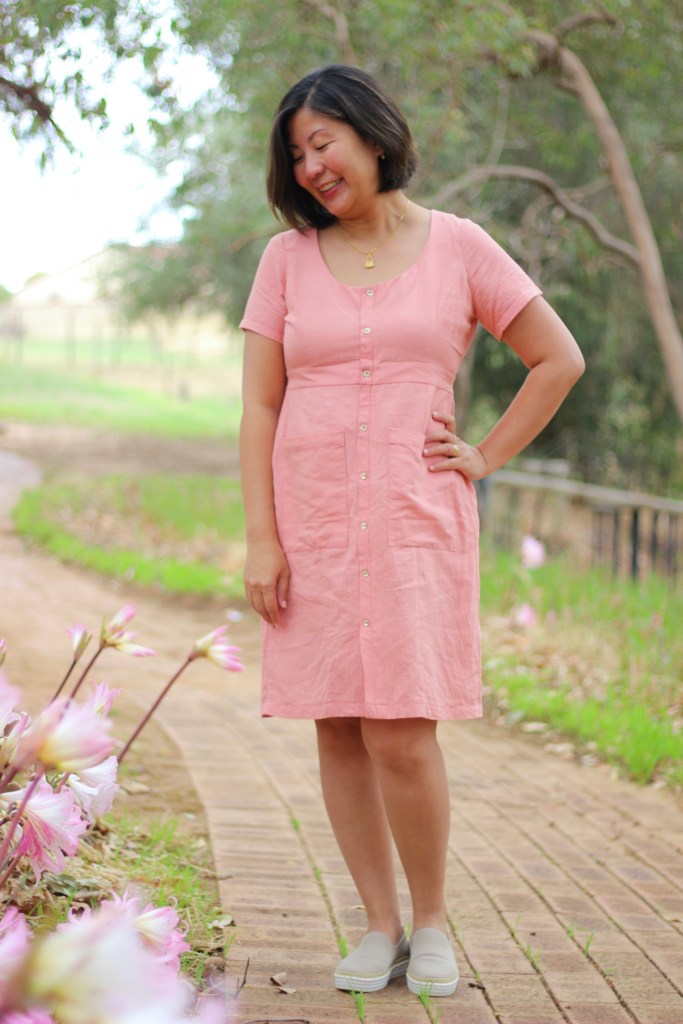
The pattern is for woven fabrics. I ended up making two dresses. I firstly made the straight out of the box version and then for a second version, I combined the Hampden Dress and the Holyoke Dress. For the first version, I used a coral pink lightweight linen fabric and for the second, a soft rayon fabric with a macrofloral pattern.

The pattern came together very fast once I had sorted out the fitting. It was a pleasure to sew which is another reason why I had decided to sew two versions. They are both beautiful dresses to wear and I feel so lucky that I was included in this collaboration and could sew this dress before anyone.

Upon reflection, there is one detail of the pattern that I could improve. If I were to make this dress again, I would lengthen the bodice by an inch. I had to take out that length when I made the SBA, and it didn’t occur to me to check the bodice length because everything matched up once I had done the SBA. This is an area that I could learn more in and hopefully with more experience, will be able to judge this better.

Thanks for reading and happy sewing!

X Em

*Cashmerette Club membership was gifted as part of the collaboration.

Valerie Raglan Dress

The start of 2023 has been great for my motivation to sew. One of my sewing goals this year was to really pick projects that help to develop my skills and to only sew items that I would wear repeatedly. Seems like an obvious goal but when I started sewing, a lot of garments were beyond my skills. I tried the big four patterns but often instructions were a bit illusive to a novice sewist like me. When Forget Me Not Patterns generously offered me a pattern for review, I was a bit worried about this, but the instructions and illustrations are one of the best I’ve ever sewn with.

The Valerie Raglan Dress was the pattern that I chose to review. It’s a dress with a fitted bodice and A-line skirt. The sleeves are raglan sleeves but are tailored with a dart at the shoulder, so it doesn’t have the bulky look of other raglan sleeved dresses or tops. There are so many sleeve options included with the pattern. I chose to sew the short sleeve with a flounce, there is also a long sleeve option with a cuff which I’m planning to sew for winter and there’s also the ¾ sleeve and short sleeve version. Along with all these options are also cup size options which is great for obvious reasons!

Fitting the pattern was a breeze with the comprehensive and logical instructions. In fact, the second page of the patterns gives such good instructions on how to choose which size to sew up. I fitted in the medium bust range, so that is equivalent to a B cup to C cup and my dress sizing was between the 38 and 40 for my measurements of 37 inch high bust, 33 inch waist and 38 inch hips. The pattern alteration tips were fantastic because I toiled bodice graded the size 38 bust to a 40 waist and hip. The other impressive thing about the pattern were the little notes that helped me to pause in my sewing so that I would go and check the fit physically. It’s such a good practise to develop as I didn’t have any sad surprises at the end of my sew.

Sometimes the mention of an invisible zipper sends a sewist screaming into the bush, but I had no problems installing it. I just followed the instructions step by step and before I knew it, I had installed it perfectly! It’s not a technique I’m familiar with but the result was the easiest invisible zipper I’ve ever installed, and this is even without an invisible zipper foot! It’s great to learn more professional techniques in a pattern. This was evident again with the facing attachment. This was attached using the stepped-back method. I watched the video and had a few attempts but unfortunately, I was unsuccessful, so I attached it my way. The great thing is, next time I come back to the pattern, I will try it again and I have the resources to help me.

The fabric I’ve sewn with is a rayon which has beautiful drape and is so good for summer. I’ve sewn a lot with rayon because it’s what I reach for in this heatwave called summer. Sometimes, I’ve read comments about the difficulty of sewing with rayon so I put together a little Instagram reels to share some of the tips that were generously shared with me.

Thanks for reading and happy sewing!

X Em

*Full Disclosure: Pattern was gifted for a review but all opinions expressed were my own.

Niya Dress

Sewing the Niya Dress was a great adventure! It was a happy discovery when I won a PDF pattern from J. Desiree Studio Patterns by participating in the Sew Giving 22 Sewing challenge which was hosted by @yagabyrdsews. I chose the Niya dress because it had so many unique features and can also be sewn as a wide pants jumpsuit. 

The bodice is quite loose initially and is attached to the skirt only by the front bodice. The back is open and there are two options. I chose to sew the half closed back but there is also a fuller opening as the other option. The skirt is gathered by elastic in the back and the front is initially sewn flat. While constructing the dress, I had a lot of doubts about if I was sewing it correctly, if the dress would suit me or whether I should construct it differently? I’m glad I stuck to the process and followed it until the end.

It really started to come together when I realised that the front bodice had a channel which I had accidentally sewed up. I used the seam ripper to reopen this to create a channel so that the ties could be fed through it. Both ties are then fed through the channel in the front skirt piece where the elastic for the side and back waistband are located. Once the ties are in, this creates tension in the front bodice which draws in the loose fabric in the front and prevents exposure from the side. The engineering was so interesting in this make as I couldn’t quite picture how it could come together without the traditional side seams. 

Looking at the other Niya Dresses by other sewists, I can see that everyone managed to thread their ties through the channels however, I had a lot of trouble. It might have been that the rayon crepe I used did get a bit bulky once sewn. Instead, I halved the width of the ties and made them quite narrow which I really liked the look of. The pattern has the option of making shoulder channels for more ties, but it was already gathered in the front shoulder bodice. I loved the look as it was without the ties, so I left them off my dress.

The sizing of the Niya Dress is very flexible. I made the medium with a mini skirt option. With the open back, it would look beautiful as a jumpsuit or a ball dress with maxi skirt. I needed a summery beach dress so the mini dress version was the perfect version for me.

Thanks for reading and happy sewing!

X Em

Aura Dress

Frocktails 2022

October zoomed by in a blur. There’s been a lot of making but very little time for documenting. So, it’s nice to be sitting with my cup of tea to write about the Aura Dress which I made for Perth Frocktails! What is Frocktails? In very simplistic terms, it’s a social gathering of people that love to sew and is hosted by the Australian Sewing Guild. Everyone dresses in their beautiful handmade frocks or outfits. I was awed by the creativity and talent around me. Some people were dressed in completely bespoke items down to self-made shoes and bags. 

Initially stepping into a big crowd without knowing anyone else apart from my daughter was a bit daunting and put me out of my comfort zone but as quick as the thought passed through my mind, I found myself chatting to so many others that I was soon at ease and having so much fun! I was curious about where everyone’s beautiful fabrics came from and how they started their sewing journey. It was also fun to have my daughter along as everyone was so lovely to her. We had a great night and hopefully this will mean a few more sewing meet ups in the future!

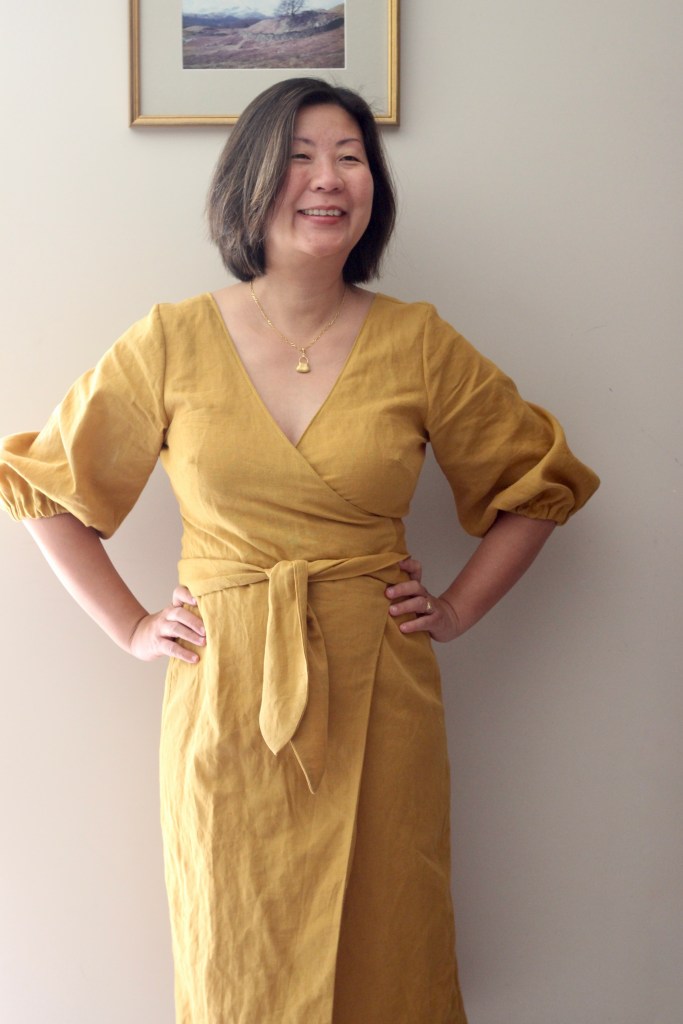
Now onto my Aura Dress which was a lucky win from Papercut Pattern’s monthly sewing challenge. I had entered my Nova Coat for the challenge and was so happy to learn that I had won a free pattern. I knew I wanted to sew the Aura Dress which is a wrap dress with beautiful puffy sleeves and the skirt has the silhouette of a pencil skirt. 

I had three meters of turmeric coloured linen in my stash which was perfect for the dress. I sewed the size 4 and because I had started the sew so late, I did not have a chance to toile the dress. Luckily it fitted but I had to wear a slip on the night as the temperature is still dropping at night (remember, I grew up in the tropics). If I were to make this dress again, I would adjust the skirt size to a 5 to fit my 33-inch waist size better. It was very funny and slightly distressing when I sat down in my dress and realised the split in the front rose very high which was also another reason for the slip and the strategically place handbag whenever I sat down on the night!

Perth Frocktails was a blast, and it was good to be part of a real world event in a time where online life has proliferated. I still enjoy and appreciate my online sewing community but now I’m hoping to be able to show someone in the same room what I’m making and say, “Is it supposed to be like that?”.

Thanks for reading and happy sewing!

X Em

Near and Far Rayon Fabric from Sew to Grow

Featuring: Hannah Dress

Rayon is my favourite fabric for spring and summer. It’s so soft, has beautiful drape and stays cool and comfortable in the heat of the warmer seasons. It’s also super absorbent so it’s great when the humidity of summer sets in. I was so excited to be invited to collaborate on the re-launch of the Near and Far Fabric Collection from Sew to Grow. I adore the beautifully vibrant Oeko-Tex certified fabrics featured in the collection. I’m sewing “Market Place” which is reminiscent of Lindsey’s travels to many marketplaces on her travels. 

I’ve matched the Hannah Dress with the rayon fabric because the fullness of the gathered skirt required a floaty and drapey fabric. Usually, patterns that need something breezy and loose are the best match for this fabric. It is great for summer because of its softness and how breathable it is. These are all features of the Near and Far Rayon. It is a bit heavier at 150gsm (normally rayon sits at 113 gsm to 142 gsm) which, in my opinion, gives even better drape. I noticed that there is a twill weave in this rayon which gives the fabric more strength compared to a plain weave.

To begin my sew, I made sure that I washed my fabric. Rayon can shrink and it’s not a fabric that recovers well (you can’t rewash and re-stretch it after). I also overlocker my fabrics before washing but you can choose to skip this step if you wish. I tend to airdry my fabrics but if your dryer has a cool setting, you could also risk putting it in the dryer. I then go over the fabric on the wrong side of the fabric with the iron. I must be especially careful as my iron only has one heat setting and if you overheat rayon fabric on the right side, you could leave a shiny residue on the fabric. I was really happy to note that there was no shrinkage after the cold wash and the fabric remained brilliantly colourfast!

Next, I made sure that I inserted a sharp new needle. I used a 10/70 needle to avoid snags in my fabric. The Hannah Dress is a gorgeous wrap dress from By Hand London. This required a bit of staystitching on the wrap front and the back neckline. It’s a good idea to staystitch when you use rayon because it can stretch out when you’re sewing. A great feature of rayon is the drape of the fabric, but it also means that you need to stabilise the fabric. It’s the same treatment you would give for fabrics sewn on the bias. 

The other tip when sewing with rayon is to make sure you transfer all your markings accurately and you need to use as many pins as it takes to match your markings. This was the case when I was fitting the sleeve to my Hannah Dress. I’m making the dress with the bishop sleeves this time and I found that I had to ease in the sleeve fabric to ensure that the markings matched up. You can also sew a line of gathering stitches to help ease the sleeve in, but it was easy enough to use some pins.

Next, I used the fabric to make some biased binding for the neckline and front bodice. This was my first experience of making bias binding using the continuous method. This is by far the best way to do it! 

Bias binding

Overall, I can honestly say that sewing with the Near and Far Rayon from Sew to Grow did not disappoint. All my pattern pieces stayed in shape, and it was enjoyable to sew with. It has a beautiful quality with the slightly heavier weight. Wearing the rayon is even better. I love the drape and here are some pictures from the Spring Festival! Oh! Final tip, don’t forget to let it hang for a day or two before finishing the hem.

Thanks for reading and happy sewing!

X Em
Full Disclosure: Fabric was gifted in exchange for review and sponsored Instagram Post but all opinions are my own.

Lanti Swing Dress

When Sew to Grow put a call out for testers, I was quick to apply as I’ve been keen to challenge myself to sewing to a time frame and I have found testing to be invaluable experience especially when interacting with other more experienced sewers. Lindsey, the founder of Sew to Grow, is a sewing teacher so I find all her patterns have a quality of thoughtfulness and caters well for all skill levels from beginners or those who are trying to advance their skills in sewing. The Lanti Swing Dress was initially designed for her classes and with a beginner in mind. Now it’s been made available for everyone!

The Lanti Swing Dress is a versatile pattern that comes with three options. Option A is a smock dress, Option B is an A line dress and Option C is a blouse. There are also sleeve options for short sleeves with cuff or three-quarter sleeves with frill.  This dress is also a great wardrobe basic with potential for hacks which is what I did with my second make.

The first dress I made for the test was Option A and using the three-quarter sleeve but without the frill. I love making dresses but found that I lacked a neutral basic dress. The Lanti Swing Dress is a great core item dress which is designed to be versatile and a foundation piece for dressmaking. The fabric I used was a beautifully sheer flax coloured cotton which is lightly textured by a weave of beige coloured tread in a stripe pattern running horizontally. This dress can be styled with sandals for summer or layered with a jacket for autumn and spring. It can be left loose for a boho look or cinched at the waist with a belt for a stylish work outfit. 

My test was for the size 12 as my measurements of 37.5-inch bust, 33-inch waist and 38-inch hips fit well into that category. There wasn’t any need for adjustments, but I left out the pockets and the sleeve frill. My fabric was very sheer so instead of a facing, I fully lined the dress with a muslin which also served as the first toile of the pattern. The Lanti Dress is a great dress to practice installing a lining as the closure is a simple button closure at the back so no tricky zippers to line. In order to line the dress, it’s a case of using the bodices and skirt pieces but with your lining fabric which is often a lighter weight fabric. The bodice pieces are sewn up and the same instructions given for attaching the facing were followed. Once the bodice outer shell and lining pieces are attached, it is turned the right way and the skirt shell and lining can be attached separately. I should also mention that I lengthened my outer shell hem by 2 inches.

It was such a pleasure to sew that I made a second dress but this time with a fun hack and I wanted to try making those pretty frill sleeves. Again, the pattern is great to play with for a hack as it is drafted to be versatile. To make this hack, the bodice was shortened by 1 inch. The skirt was left the same width for the upper two-thirds and the bottom one-third was widened by 10 inches. This time the frills were added to the sleeves. The result is a fun party dress which can be dressed up or down.

It was so much fun to test for Lindsey of Sew to Grow and it was a lovely team of testers to join. She made it stress free and was always quick to give feedback when we needed it. It was also nice to have a bit of interaction with the other testers and see their beautiful creations. If you can, you should check them out.

Thanks for reading and happy sewing!

X Em
Hannah Dress

Wrap dresses are the hardest working items in my closet. They’re great for a smart casual outfit or a night out to dinner. Wrap dresses are also a bit more flexible in the fit. I find the Hannah Dress from By Hand London is so flattering on any figure. It was a dream to sew this beautiful pattern.

I chose to sew the Size 10/14 for my measurements of 37-inch bust, 33-inch waist and 38-inch hips. As mentioned, the sizing in a wrap dress is great because there’s some flexibility with the ties. I was very happy with the sizing.

If you’re like me, you’re probably wondering if there was any gaping of the neckline. This is a common problem with some wrap tops or dresses but I’m happy to report that there hasn’t been any gaping. I think this is because the neckline of the bodice is finished with bias binding which places tension along the biased edge of the neckline therefore holding the edge neatly. I’m fascinated by the engineering that goes into a making a garment!

The other feature which makes the bodice fit so well is the “rouleaus”. Expanding my vocabulary! Googled it and it means a coil of ribbon, knitted wool or other material. I’ll just call them ties. So, the ties are not threaded through the dress. Instead, there is a pair of internal ties and a pair of external ties. It’s such a neat way of fastening without the need for a hole to pass the tie through.

There are three options of sleeves with this dress. The first is a simple short sleeve which is what I chose to make this time. The second is a tulip sleeve and the third is a bishop sleeve. I usually must make a full biceps adjustment, but I found these sleeves fitted well without adjustments.

The final step of construction was to attach a gathered skirt. This is my favourite feature of the dress. It’s nice to have the volume of the skirt as it accentuates the waist and creates a lovely hourglass silhouette. 

The instructions are overall very beginner friendly. The only instructions that could have been a bit clearer was attaching the bias tape to the neckline. When I tried to use the link given for the tutorial, it kept coming up with the error message. I also tried on the By Hand London website and this was also not working. If you get stuck at this step, I found googling, “Attaching double fold bias tape” to be a handy search phrase. I’ll aim to document this when I remake this pattern.

This dress has already had a few outings and will be worn on repeat! I’ve really enjoyed making the Hannah Dress and now want to make all the versions of this beautiful dress.

Thanks for reading and happy sewing!

x Em